


 Pershing Square Bids €30.40 Per Share to Acquire Universal Music Group in $9.4B Deal
  U.S. Automakers Push Back Against EU Rules Blocking American Trucks from European Market
  LG Electronics Posts Record Q1 Revenue Amid Strong Demand and Cost Improvements
  Pony.ai, Uber, and Verne Launch Europe's First Commercial Robotaxi Service in Zagreb
  China's AI Stocks Surge as Zhipu and MiniMax Hit Record Highs
  Apple's Foldable iPhone Faces Engineering Setbacks, Mass Production Timeline at Risk
  SpaceX IPO: Retail Investors to Play Historic Role in Record-Breaking Public Offering
  BHP's Incoming CEO Visits China Amid Pricing Dispute with CMRG
  Anthropic Fights Pentagon Blacklisting in Dual Federal Court Battles
  Tokyo Electric Power Attracts Major Investors Amid Billion-Dollar Restructuring Push
  Disney Plans to Cut 1,000 Jobs Amid Ongoing Restructuring Efforts
  Foreign Investors Pour $18.65 Billion into Japanese Stocks Amid Market Stabilization
  Pilots Fear Retaliation for Refusing Middle East Flights Amid Ongoing Conflict
  Abbott Laboratories Ordered to Pay $53 Million in Premature Infant Formula Lawsuit
  Deere & Company Agrees to $99 Million Settlement Over Right-to-Repair Dispute
  Goldman Sachs, ANZ Cut Oil Forecasts Amid U.S.-Iran Ceasefire Hopes
  Lumentum Holdings Rides AI Wave With Order Book Filled Through 2028


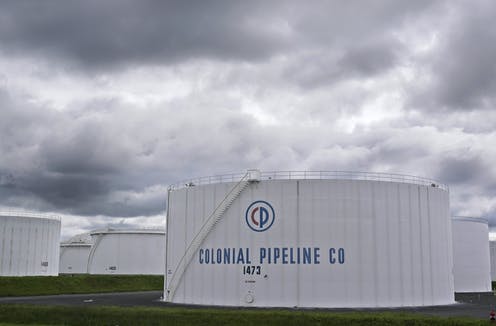
Colonial Pipeline has urged the U.S. Federal Energy Regulatory Commission (FERC) to dismiss protests from major oil companies over its proposed changes to gasoline shipments. The pipeline operator argues the modifications align with industry standards and are within its regulatory rights.
Exxon Mobil, Chevron, and BP recently challenged Colonial’s move to limit the number of gasoline grades transported and end simultaneous shipments of different grades. The oil majors claimed the changes could harm both shippers and consumers, while boosting Colonial’s profits.
In response, Colonial stated that the objections are financially motivated and not based on operational efficiency. The company emphasized that the proposed changes would enable it to transport up to 10,000 additional barrels of gasoline per day on its 5,500-mile system, which stretches from the U.S. Gulf Coast to the East Coast. Colonial noted that its main gasoline pipeline typically operates at full capacity, and increasing throughput would benefit both shippers and end users.
The company also highlighted operational advantages, stating that moving fewer grades and avoiding overlapping shipments would reduce pipeline slowdowns and potential mechanical failures, thereby improving system reliability and safety.
While Colonial acknowledged the proposed changes would support its own fuel-blending activities, it asserted that FERC has no jurisdiction over blending operations. In its filing, Colonial emphasized that its adjustments are legally sound and consistent with industry practice, aiming to boost capacity, enhance pipeline integrity, and serve consumer demand more effectively.
The ongoing dispute underscores tensions between pipeline operators and oil producers as infrastructure changes impact logistics and profit margins in the U.S. fuel supply chain.







