


 An unexpected anomaly was found in the Pacific Ocean – and it could be a global time marker
  TSMC Sees Strong AI-Driven Growth as Demand for Advanced Chips Continues to Surge
  Meta Delays Release of New AI Model as API Rollout Remains Uncertain
  Foreign Firms Cash In on India's IPO Boom
  Rise of the Zombie Bugs takes readers on a jaw-dropping tour of the parasite world
  Treasury Wine Estates to Focus on Penfolds and Key Brands in Major Cost-Cutting Overhaul
  Australia GDP Growth Misses Forecasts in Q1 2026 as Inflation and Iran War Impact Spending
  Morgan Stanley Upgrades Winbond and Nanya to Overweight on Strong Memory Chip Market Outlook
  SoftBank Becomes Japan’s Most Valuable Company as AI-Fueled Rally Drives Shares to Record High
  US Dollar Holds Near Two-Month High as Fed Rate Outlook and Middle East Tensions Boost Demand
  Indonesia Passes New Central Bank Law, Raising Investor Concerns Over Policy Independence
  Fungi are among the planet’s most important organisms — yet they continue to be overlooked in conservation strategies
  US Expands Iran Sanctions, Targets Major Crypto Exchanges and Individuals
  U.S. Opens Public Comment Period on New U.S.-China Trade Board and Potential Tariff Cuts
  Blue Origin New Glenn Explosion Could Delay Launch Operations Until 2028
  Yen Nears 160 Per Dollar as Japan Signals Readiness for Currency Intervention


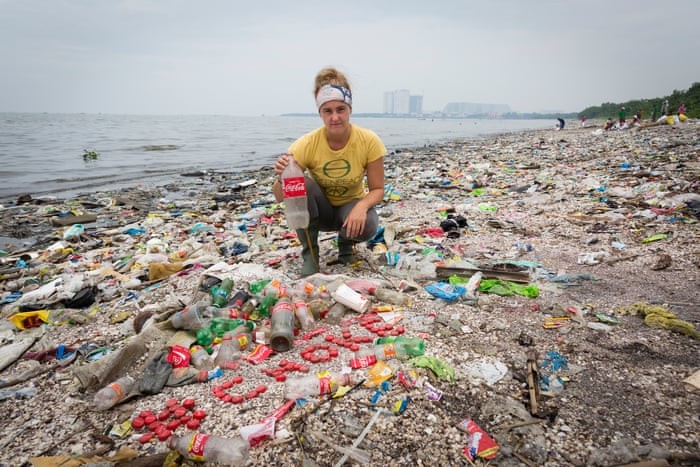
The Coca-Cola Company is aiming to make 25 percent of its packaging globally to be reusable by 2030 after environmental groups have called it out for worldwide plastic pollution.
Consumer, investor, and environmental groups have targeted Coca-Cola for its petroleum-based plastic single-use bottles that have been clogging oceans and creating many other problems.
According to the global coalition Break Free From Plastic's annual report released in October, Coca-Cola was the world's worst plastic polluter for the fourth year in a row in 2021.
Based on reuse guidelines by nonprofit Ellen MacArthur Foundation, Coca-Cola defined reusable packaging as including containers that can be refilled with an original product by consumers or companies, such as refillable fountain drink containers and glass and plastic bottles that are refillable or returnable.
In 2020, 16% of Coca-Cola's packaging was reusable. That year, 90 percent of its refillable glass and plastic containers were collected.
Fund manager Green Century Capital Management described Coca-Cola's announcement as "the first known goal of its kind" and "a welcome change in strategy."
Green Century and activist investor As You Sow filed a shareholder proposal urging Coca-Cola to reduce single-use plastic are now considering withdrawing their proposal.
Coca-Cola CEO James Quincey said they intend to collect back a bottle or can for every one they sell by 2030.







