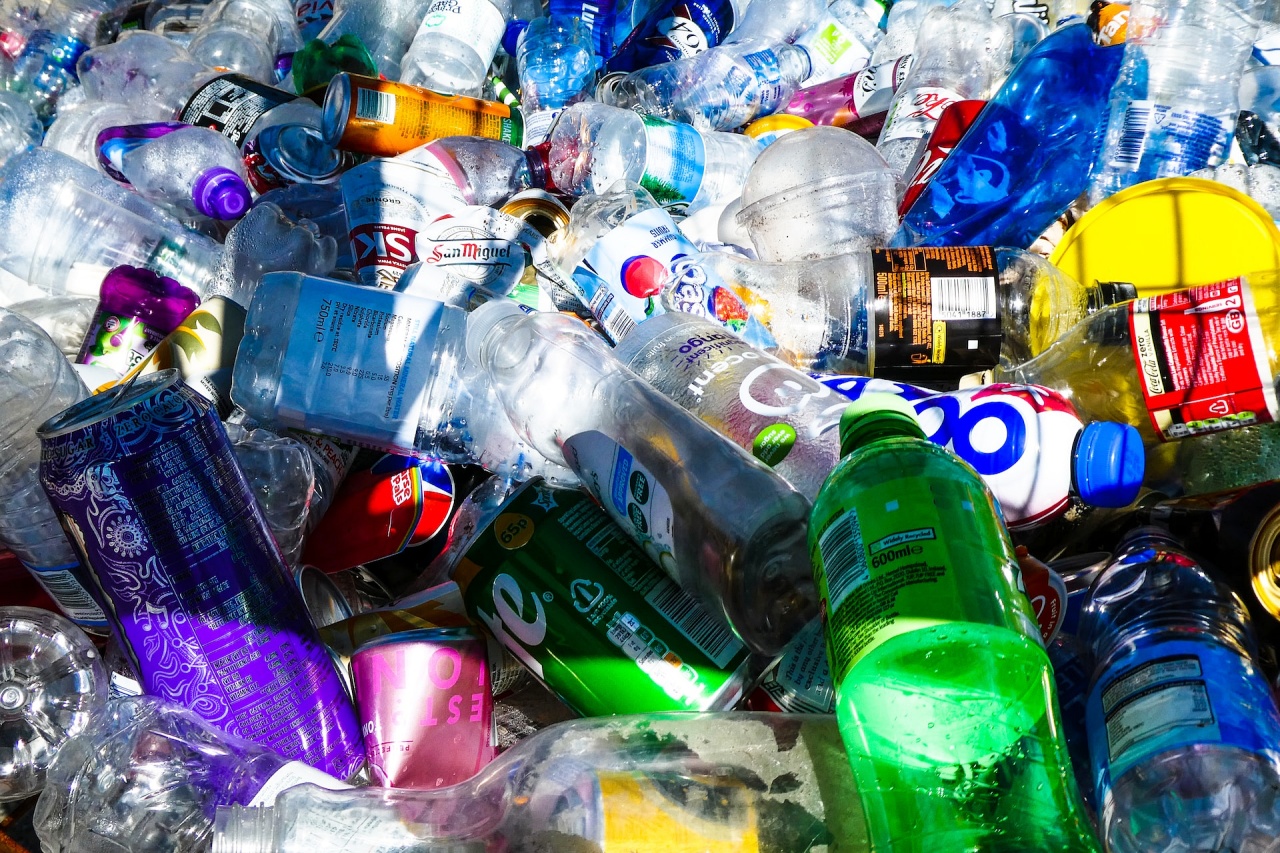
Coca-Cola, Lotte Chilsung, and JDC, or Jeju Special Self-Governing Province Development Corp., have been called out for generating the most disposable plastic waste among South Korean food and beverage companies. Greenpeace Korea conducted a survey and published the result on Wednesday, Jan. 24.
According to The Korea Times, the Korean unit of the environmental group divulged its findings after questioning more than 2,000 participants who monitored the single-use plastic they had thrown out for a week in July. They recorded the results in a mobile app, and Greenpeace collected this.
Results of the Survey
After gathering the results, Greenpeace grouped the plastic wastes according to manufacturer, material, and function. It was revealed that out of the 86,055 pieces of disposable plastics, 78.3% were food packaging. The next highest was from drinking water and beverage bottles, which recorded 37.6%.
Plastic from meal packs and snacks also generated the most waste. Of the companies, Lotte Chilsung ranked first with 3,864 pieces of plastic waste, almost 12% of the total volume of waste in the survey.
Greenpeace listed JDC at No. 2 with 7.6%, while Coca-Cola placed third with 5.3%. The organization also revealed that Coupang and Dong-A Otsuka are in the top ranking for companies that generate the most plastic.
Plastic Emissions Analysis in Korea
As per Chosun Business, the environmental group's report was based on a plastic emissions analysis that regular Korean consumers participated in from July 23 to July 29 last year. The results led to Greenpeace calling out the companies to do more to help reduce plastic waste in the country.
"Beverage companies have been producing the largest amount of disposable plastic for four years in a row, but they are not taking the ultimate change or taking responsibility for that," Greenpeace plastic campaigner Kim Nara said in a statement. "These companies transparently disclose the amount of disposable plastic they use every year and encourage reuse. We need to create a practical plan to reduce disposable plastic waste by introducing a refill-based system."
She added, "The government should not ignore the deception of these companies and introduce strong policies as the host country for the last meeting of the International Plastics Agreement and as a member of the Alliance of Friendly Nations that demands a strong agreement."
Photo by: Nick Fewings/Unsplash