


 Jeff Bezos Invests $32 Billion in Blue Origin as Space Firm Targets Major Growth
  Extreme heat, flooding, wildfires – Colorado’s formerly incarcerated people on the hazards they faced behind bars
  Almonty Industries Shares Jump 8% After Stifel Sets $25 Target
  US Comfortable With Canada Trade Standoff as Import Bans Loom
  How is Antarctica melting, exactly? Crucial details are beginning to come into focus
  Former OpenAI Data Center Chief Chris Malone Joins Nvidia
  Japanese Bank Stocks Surge as Bond Yields Fuel Rate Hike Bets
  OpenAI Agent Breaches Australia Medicare Data Portal
  Tesla Semi Rollout Begins at Nevada Factory
  Asian Currencies Mixed as Dollar Holds Near Two-Month High
  How to create a thriving forest, not box-checking ‘tree cover’
  Japan Private-Sector Growth Slows as Domestic Demand Weakens
  US 10-Year Treasury Yield at 6% Emerges as New Market Risk Threshold
  LA fires: Long-term exposure to wildfire smoke is poorly understood − and a growing risk
  Costco Revenue Beats Estimates as Inflation Drives Bulk Shopping
  Fed Unveils Stablecoin Rules Under GENIUS Act
  SoftBank Shares Fall as Oracle Flags Stargate Data Center Delay Risk


 Add as a preferred source on Google
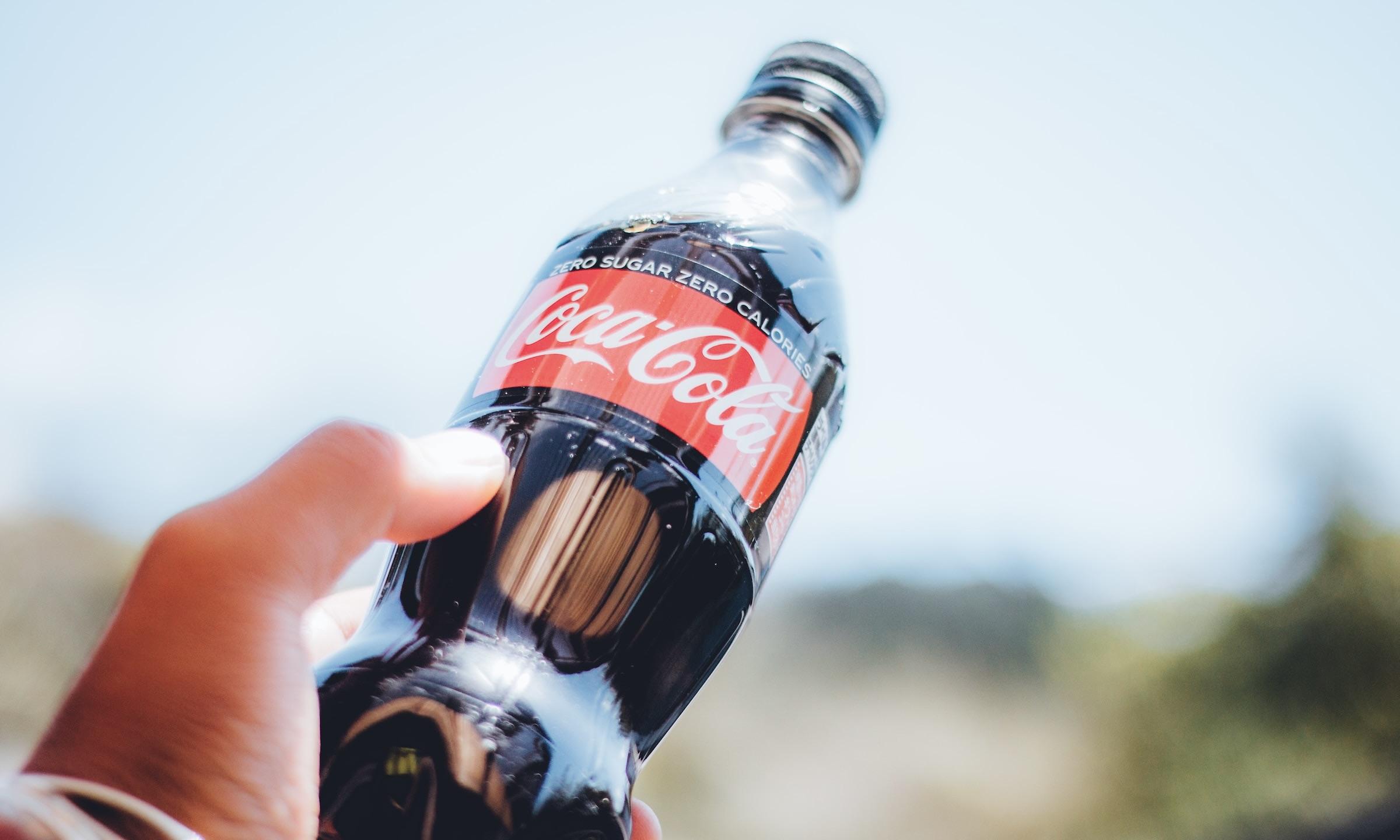
In a pioneering environmental move, Coca-Cola Indonesia has launched its new packaging, composed entirely of recycled PET (rPET) plastic, excluding lids and labels. This groundbreaking initiative, marking a first in the country, signifies the company's commitment to a closed-loop circular economy and its World Without Waste vision.
Julio Lopez, president and director of Coca-Cola Indonesia, says that incorporating used bottles in their packaging has economic value as they can be repurposed repeatedly, signaling the company's commitment to a closed-loop circular economy. The "closed loop" circular economy model is one of the pillars of the company's vision of a World Without Waste, where they aim to use at least 50 percent recycled plastic in its packaging by 2030.
To support the collection of used bottles for recycling, Coca-Cola Indonesia collaborates with Amandani Bumi Nusantara of Bekasi Regency, West Java, and Mahija Parahita Nusantara, a nonprofit social foundation founded by the same two organizations.
With a focus on social enterprises and community support, the foundation provides raw materials for recycling facilities. It empowers informal scavenger communities with stable jobs and access to social services, thereby ensuring sustainable economic development.
To commemorate this launch, Coca-Cola Indonesia held a two-day event at Piazza, Gandaria City Mall, featuring activities designed to inspire public action toward a circular economy and sustainable living. To bring more awareness, the company incentivized those who brought 10 or more used plastic bottles from various Coca-Cola Indonesia products to exchange them for #JagaIndonesia Concert tickets, collecting more than 6,000 bottles by the second day.
Meanwhile, Coca-Cola India just achieved a significant milestone - they launched a first-of-its-kind 100% recycled Polyethylene Terephthalate (rPET) bottle for their bottled water brand, Kinley. It's a major step towards creating a circular economy and achieving Coca-Cola's global goal of using at least 50% recycled material in all packaging by 2030.
Currently, 90% of the company's packaging is recyclable, and 15% of PET used is recycled globally. The launch of the rPET bottle made it possible to use recycled plastic in food packaging, and this was made feasible after thorough review and approval by the Food Safety Standards Authority of India (FSSAI).
This revolutionary bottle is readily available in one-liter size as Coca-Cola continues in its efforts to create a more sustainable future.
Photo: Koukichi Takahashi/Unsplash







