


 Drug pollution in water is making salmon take more risks – new research
  Asian Stocks Slip as Tech Rout Deepens, Japan Steadies Ahead of Election
  Trump Backs Nexstar–Tegna Merger Amid Shifting U.S. Media Landscape
  Once Upon a Farm Raises Nearly $198 Million in IPO, Valued at Over $724 Million
  South Korea Assures U.S. on Trade Deal Commitments Amid Tariff Concerns
  Dollar Near Two-Week High as Stock Rout, AI Concerns and Global Events Drive Market Volatility
  CK Hutchison Launches Arbitration After Panama Court Revokes Canal Port Licences
  Missouri Judge Dismisses Lawsuit Challenging Starbucks’ Diversity and Inclusion Policies
  TrumpRx Website Launches to Offer Discounted Prescription Drugs for Cash-Paying Americans
  RBI Holds Repo Rate at 5.25% as India’s Growth Outlook Strengthens After U.S. Trade Deal
  Prudential Financial Reports Higher Q4 Profit on Strong Underwriting and Investment Gains
  South Africa Eyes ECB Repo Lines as Inflation Eases and Rate Cuts Loom
  GesiaPlatform Launches Carbon-Neutral Lifestyle App ‘Net Zero Heroes’
  Trump’s Inflation Claims Clash With Voters’ Cost-of-Living Reality
  Trump Lifts 25% Tariff on Indian Goods in Strategic U.S.–India Trade and Energy Deal
  As the Black Summer megafires neared, people rallied to save wildlife and domestic animals. But it came at a real cost
  Parasites are ecological dark matter – and they need protecting


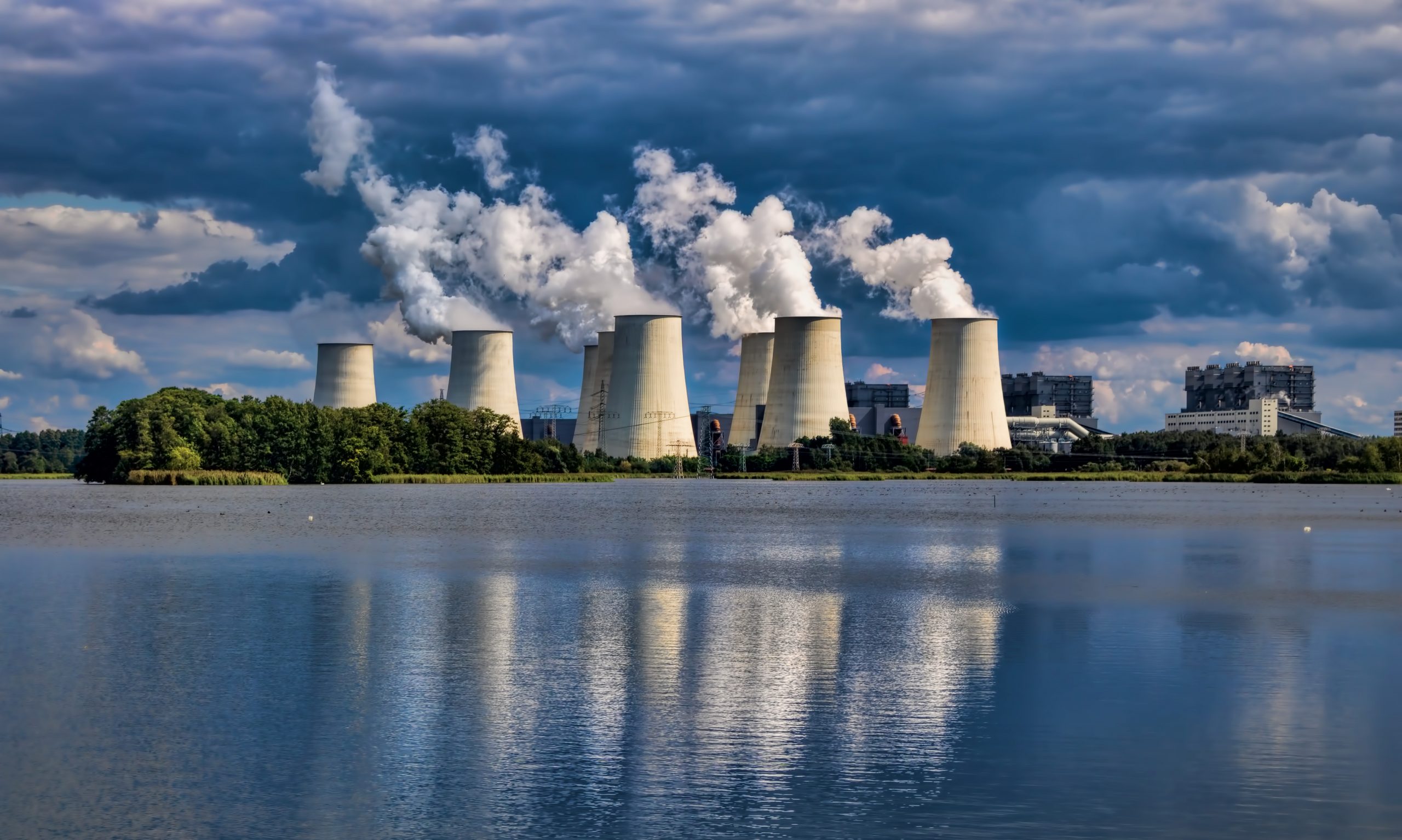
Coal still generated record CO2 emissions, threatening Paris climate goals, even as the number of coal-fired power plants worldwide declined 13-percent on year to 457 gigawatts (GW) in 2021.
Coal power capacity under construction or planned for development has declined by three-quarters since the 195-nation deal was signed in 2015, according to the annual Global Energy Monitor study.
More than 2,400 coal-fired power plants with a combined capacity of 2,100 GW are in operation in 79 countries.
Tracking the Global Coal Plant Pipeline, just 34 nations are considering new coal plants, down from 41 in January 2021.
China, Japan, and South Korea have all agreed to stop funding new coal plants outside of their borders, despite concerns about apparent loopholes in China's commitment.
Despite this, the global coal-fired power fleet expanded by 18 GW in 2021, and an additional 176 GW of coal capacity was under construction as of December, around the same as the previous year.
China is responsible for the majority of this expansion, accounting for little over half of all new coal-fired electricity in the pipeline. Another 37 percent comes from South and Southeast Asia.
Last year, China saw three-quarters of all new coal power plants break ground, with newly commissioned capacity more than offsetting coal plant retirements in all other countries combined.
The UN's Intergovernmental Panel on Climate Change and the International Energy Agency have cautioned that the only way to keep global warming within tolerable levels is to stop building new coal plants and phase out existing ones quickly.
Many growing economies, including India, Vietnam, and Bangladesh, have reduced their plans for new coal-fired power plants.
China has pledged to peak carbon emissions by 2030 and become carbon-neutral by 2060, making it the world's largest emitter of greenhouse gases.
In 2021, the European Union decommissioned a total of 12.9 GW, with 5.8 GW in Germany, 1.7 GW in Spain, and 1.9 GW in Portugal being coal-free in November 2021, nine years ahead of schedule.













