


 Extreme heat, flooding, wildfires – Colorado’s formerly incarcerated people on the hazards they faced behind bars
  Thousands of satellites are due to burn up in the atmosphere every year – damaging the ozone layer and changing the climate
  Swimming in the sweet spot: how marine animals save energy on long journeys
  Is space worth the cost? Accounting experts say its value can’t be found in spreadsheets
  Burkina Faso and Mali’s fabulous flora: new plant life record released
  How is Antarctica melting, exactly? Crucial details are beginning to come into focus
  Parasites are ecological dark matter – and they need protecting
  NASA and SpaceX Target Crew-11 Undocking From ISS Amid Medical Concern
  Fungi are among the planet’s most important organisms — yet they continue to be overlooked in conservation strategies
  Rice feeds billions of people – but its role in fueling climate change is growing
  Trump Administration to Launch Autism Initiatives Targeting Acetaminophen Use and New Treatment Options
  Eli Lilly’s Inluriyo Gains FDA Approval for Advanced Breast Cancer Treatment
  Blue Origin New Glenn Rocket Explodes During Launch Pad Test, Delaying Space Ambitions


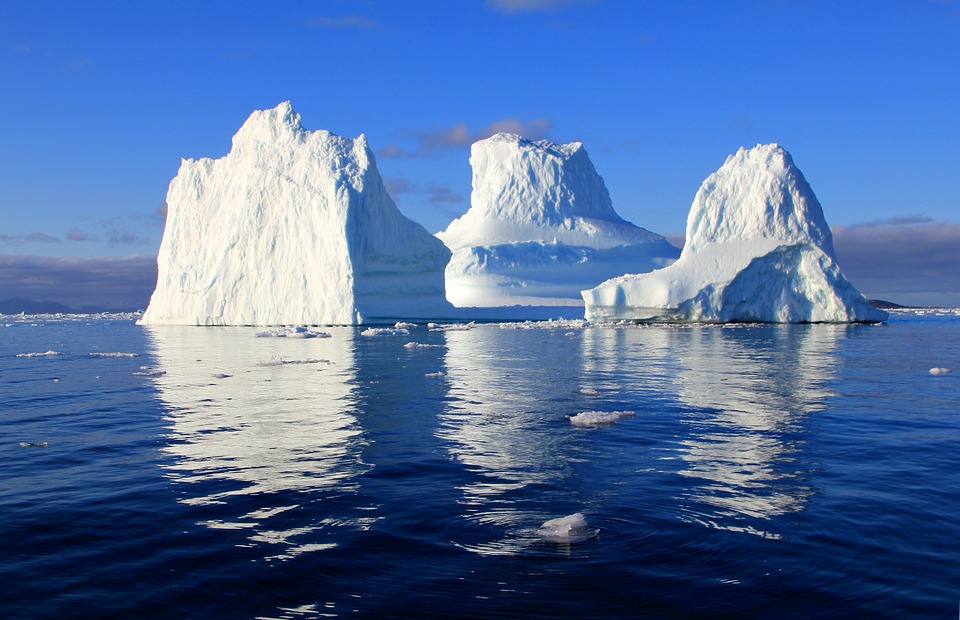
Aside from an ongoing pandemic, the issue of climate change is something many scientists and activists are trying to find a solution to. However, the global circumstances appear to paint a bleak picture as a new study found that the ice loss rate of Greenland’s ice sheet can potentially outdo the rate of the past 12,000 years.
A study that was published in the journal Nature by researchers, Dr. Jason Briner from the University of Buffalo College of Arts and Sciences and his team, compared the current ice loss rate of the ice sheet in Greenland to simulations going all the way back 12,000 years. The findings of their study note just how bad climate change and global warming has gotten and how worse it can still get over the years to come.
“Basically, we’ve altered our planet so much that the rates of ice sheet melt this century are on pace to be greater than anything we’ve seen under natural variability of the ice sheet over the past 12,000 years,” said Dr. Briner. “We’ll blow that out of the water if we don’t make severe reductions to greenhouse gas emissions.”
Dr. Briner went on to note how important it is for humanity to stop with greenhouse gas emissions now. He also cited how countries like the United States, which lead the world in carbon dioxide emissions, need to cut down on an “energy diet.” Dr. Briner noted how the wealthiest Americans could afford to make lifestyle changes to reduce energy footprints such as installing solar panels, drive energy-efficient vehicles, and cut down on air travel.
As we are heading into a warming planet, climate change in the past once had the opposite effect on the world. New research by scientists from the Technical University of Munich reveals proof that a supernova that happened close to the Sun and Earth, and with this supernova, they believe that it might have set off an ice age on the planet through cosmic rays that have hit the Earth for years following the supernova.
With the cosmic rays hitting the Earth, it results in more cloud formations, which will lead to a drop in temperature. “Perhaps there is a link to the Pleistocene epoch, the period of the Ice Ages, which began 2.6 million years ago,” said the study’s co-author Dr. Thomas Faestermann.







