


 Najib Razak Granted House Arrest Until 2028
  S&P 500 Hits Record High as AI Rally Lifts Wall Street
  OKX Raises Fresh Funding at $25 Billion Valuation
  Intel Reaffirms Role in Elon Musk’s Terafab Chip Project
  Securitize, LG CNS Partner on South Korea Tokenization
  DaVoice Sues Perplexity AI Over Trade Secrets
  Gold Prices Rise as Dollar Weakens, Treasury Yields Ease
  Kazakhstan and Tether Explore Tenge Stablecoin and RWA Tokenization
  Evernorth XRPN Nasdaq Listing Delayed to October 12
  Rapidus Seeks Chip Customers as Japan Pushes 2nm Semiconductor Revival
  U.S. Government Moves Over $100M in Bitcoin and BNB
  US Supreme Court Revives Trump Administration Voter Citizenship Database
  LVMH-Hermès Dispute Deepens Over Secret 2002 Share Deal
  Kalshi Withdraws PEPE Perpetual Futures Filing
  Trump Plans Diesel Tax Relief as Fuel Prices Hit Record Highs


 Add as a preferred source on Google
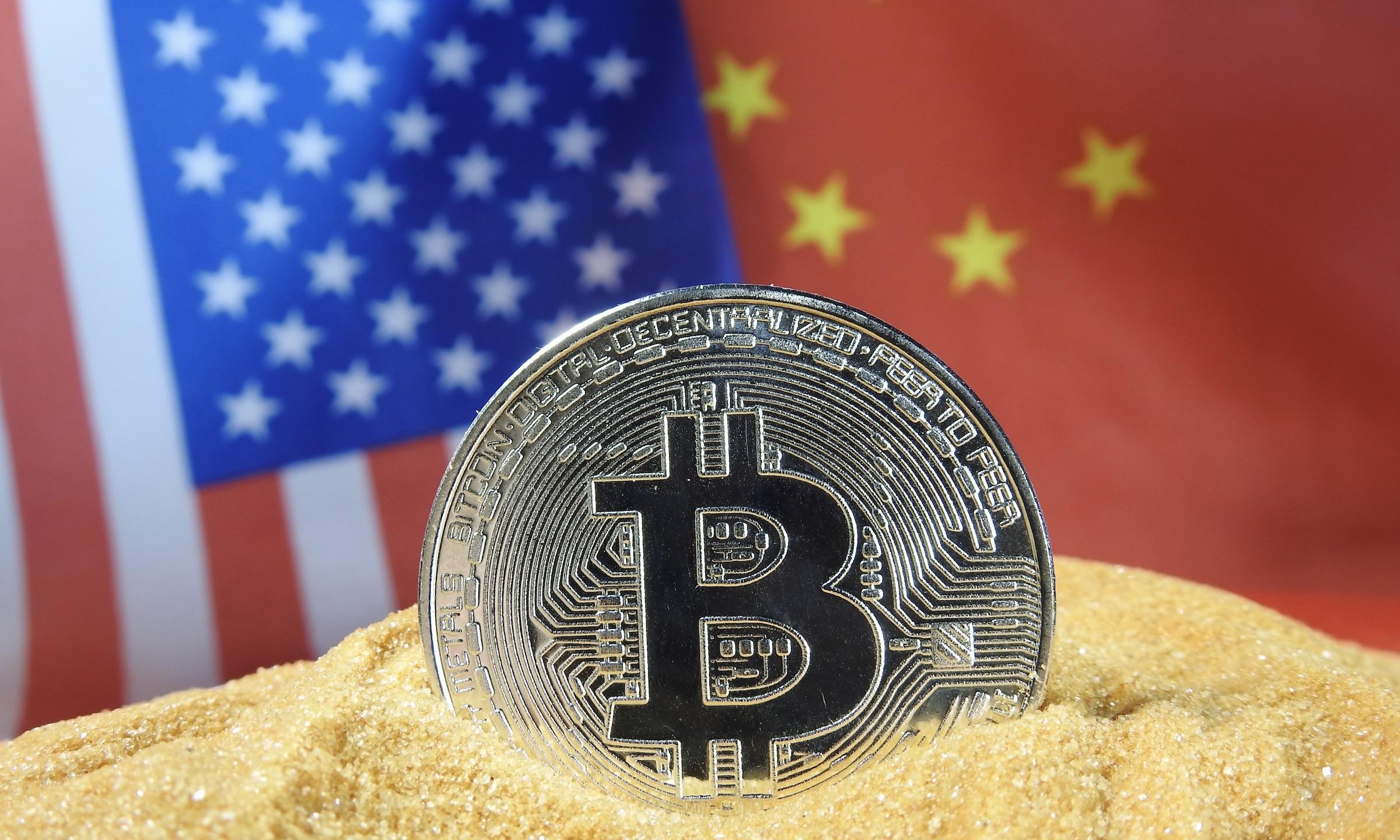
Shanghai No.2 Intermediate People's Court officially recognizes Bitcoin as a distinctive digital asset, highlighting its unmatchable value. This pivotal acknowledgment contrasts the Chinese government's current anti-cryptocurrency stance, signaling potential shifts in the nation's regulatory approach towards digital currencies in the future.
The court's recently released report delves into the advancement of internet technologies, emphasizing Bitcoin's exceptional characteristics. It cites the cryptocurrency's scarcity and property attributes, underscoring its status as a store of value and a medium of exchange.
Despite its decentralized nature, the report also points out Bitcoin's key currency features, including scalability, easy circulation, storage, and payment. This recognition comes when the Chinese government has taken a hostile approach to Bitcoin and other cryptocurrencies.
Earlier this year, China imposed a comprehensive ban on all cryptocurrency activities, including Bitcoin mining. However, local Chinese courts increasingly acknowledge digital assets as legal properties protected by law, countering the government's negative stance.
The recognition of Bitcoin's attributes by a Chinese court is expected to impact China's cryptocurrency landscape profoundly. It paves the way for potential regulation changes, likely leading to a more accepting environment for digital assets.
This recent ruling builds upon an earlier report released by another People's Court in China. The report examined the legality of virtual assets and concluded that digital assets qualify as legal property and enjoy protection under the law.
The growing acceptance of cryptocurrencies globally is further reinforced by this judicial recognition. The court's acknowledgment of Bitcoin as a distinctive digital asset sets an important precedent for future legal considerations surrounding cryptocurrencies.
As the adoption and recognition of Bitcoin continue to expand, it remains to be seen how this groundbreaking ruling will influence the Chinese government's approach to digital assets. For now, with this significant step toward recognition, Bitcoin's future in China appears more promising than ever before.
Photo: Ewan Kennedy/Unsplash







