


 Gold Price Today: Bullion Heads for First Weekly Gain as Weak U.S. Jobs Data Eases Rate Hike Fears
  Wall Street Ends Mixed as Weak Jobs Data Lowers Fed Rate Hike Bets, Chip Stocks Tumble
  US Stock Futures Rise as Investors Eye Fed Minutes, AI Stocks, and Q2 Earnings
  Goldman Sachs Flags 3 Key Risks Ahead of Europe’s Earnings Season
  U.S. Dollar Drops as Weak Jobs Data Boosts Fed Pause Bets, Yen Jumps on Intervention Talk
  Gold Price Rises as Softer Dollar and Fed Rate Expectations Boost Bullion Demand
  Mary Daly Says AI Uncertainty Clouds Fed Rate Outlook Despite Restrictive Policy
  China Services PMI Beats Forecasts as Strong Demand Supports June Growth
  Brazil to Phase Out Gasoline Subsidy First as Diesel Support Stays Longer
  Japan Signals Readiness to Act on Yen as Intervention Speculation Grows
  Iran Begins Oil Sale Talks With Japan Under U.S. Sanctions Waiver Amid Shipping Risks
  Turkey Vehicle Sales Fall 11.4% in June as Auto Market Weakens
  Oil Prices Steady as U.S.-Iran Talks Ease Supply Fears Ahead of Holiday Weekend
  Japan Defense Stocks Rally on Report of New Defense Ministry Bureau for Global Cooperation
  JPMorgan Cuts Gold Price Forecast, Sees Bullion Reaching $4,500 by End of 2026
  Gold Price Surges Above $4,120 as Weak US Jobs Data Lowers Fed Rate Hike Expectations
  Gold Price Today: Gold Slips as Dollar Rebounds Ahead of Fed Minutes


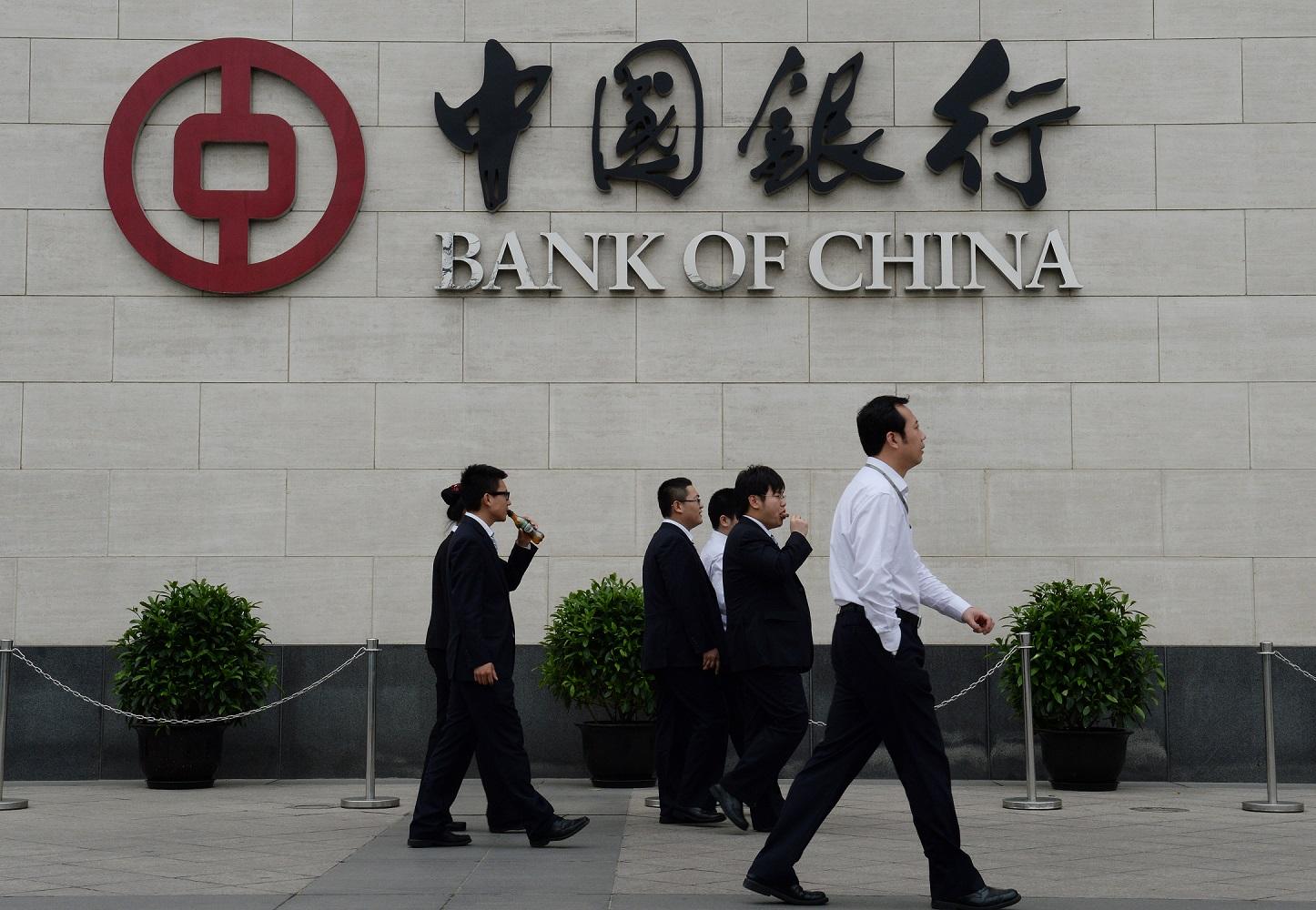
Four of China’s five largest state-owned banks have increased provisions against bad debt to prepare for future losses due to the impact of the pandemic.
All five suffered the biggest profit losses in at least a decade and an increase in soured loans.
The results highlight the economic slowdown on Chinese banks after bucking the first-quarter global trend with steady bad loans and higher profits.
Bank of China Ltd's (BoC) net interest margins (NIM) improved slightly to 1.82 percent from 1.8 percent three months earlier.
However, the NIM at Industrial and Commercial Bank of China (ICBC), Bank of Communications Co Ltd (BoCom), China Construction Bank Corp (CCB), and AgBank.
ICBC is the world’s largest commercial lender by assets.
Agricultural Bank of China Ltd's (AgBank) NIM dipped 2.14 percent at the end of June from 2.17 percent at the end of March, while ICBC narrowed it to 1.98 percent at the end of the second quarter, from 2.2 percent at the first.
All five banks saw its non-performing loan (NPL) ratios increase during the period, with ICBC's up to 1.5 percent by the end of June from 1.43 percent from the previous three months, and that of CCB increasing by 0.07 percent in the second quarter to 1.49 percent.
By the end of the second quarter, the average NPL ratio for commercial banks was at 1.94 percent, the highest since 2009.
Overall, Chinese commercial banks suffered a 9.4 percent plunge in first-half net profit to $146 billion.
BoCom, the most international of China’s large state banks, said it had boosted “provisions to counter the future impact of the pandemic” and would keep guarding against global financial market risks in the second half.
AgBank said “the lagging impact of the epidemic and the risk of uncertainty are expected to be further transmitted to the banking industry,” in its half-year results on Sunday.
CCB and BoC announced plans to assess credit risks and up provisions.







