


 Kioxia Bets on AI Memory Boom With Next-Gen NAND Production in Japan
  Apple Expands iPhone Lineup, Boosts Foldable iPhone Production Plans Through 2027
  Gold Price Rises as Softer Dollar and Fed Rate Expectations Boost Bullion Demand
  Texas Man Charged After Fatal Tesla Full Self-Driving Crash in Katy
  AI Memory Chip Shortage Likely to Persist Despite Korea Investment Boom, Nomura Says
  Kuaishou Stock Jumps as Kling AI Secures $2 Billion Funding Round
  BHP Workers Approve New Labour Agreement at WA Iron Ore Operations
  Switch Seeks $2 Billion Funding at Nearly $50 Billion Valuation Ahead of Potential IPO
  Asian Markets Slip as AI Earnings Season Looms, Oil Prices Fall Ahead of Key Fed Signals
  New Zealand Consumer Confidence Rises in June as Inflation Expectations Ease
  Oil Prices Steady as U.S.-Iran Talks Ease Supply Fears Ahead of Holiday Weekend
  Japan Signals Readiness to Act on Yen as Intervention Speculation Grows
  Iran Begins Oil Sale Talks With Japan Under U.S. Sanctions Waiver Amid Shipping Risks
  Oil Prices Slip as Oversupply Concerns and U.S.-Iran Talks Shape Market Outlook
  Samsung to Invest $90 Billion in South Korea to Expand AI Chip, Display, and Battery Production
  Mary Daly Says AI Uncertainty Clouds Fed Rate Outlook Despite Restrictive Policy
  Moody’s Says Peru’s President-Elect Keiko Fujimori Could Boost Investor Confidence


China’s State Administration for Market Regulation (SAMR) is adding up to 30 antitrust staff from the 40 it has, and other resources as it cracks down on anti-competitive behavior, especially among powerful companies.
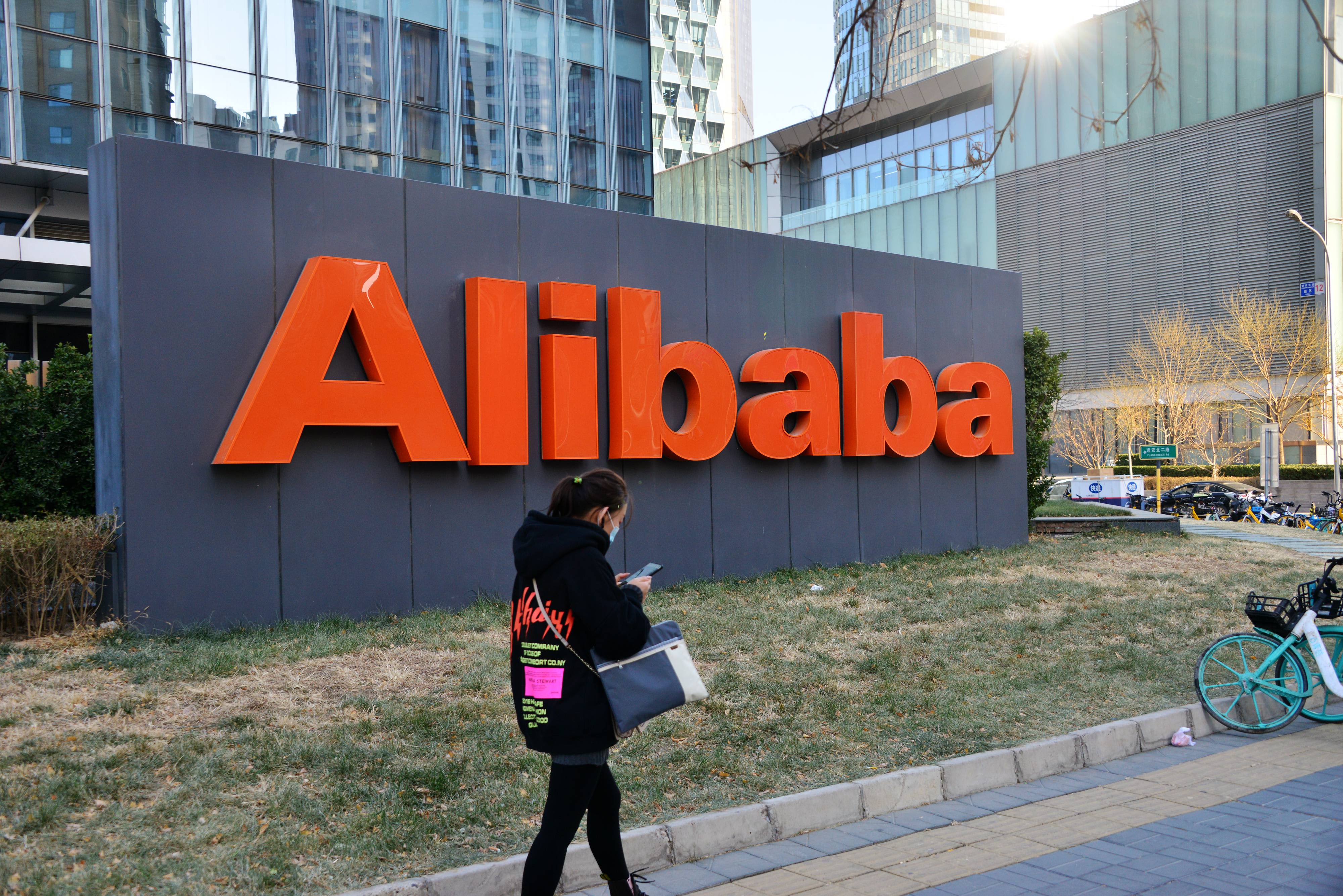
On Saturday, the Beijing-headquartered competition watchdog fined Alibaba a record $2.75 billion for supposedly abusing its dominant market position for several years.
The fine highlights the challenges ahead for companies, mainly in the tech sector, including global firms with operations in China,
Last month, Chinese President Xi Jinping announced the need to strengthen antitrust powers in reining in dominant companies in the country’s consumer sector.
The country is also revamping its competition law, eyeing an expanded criteria for judging a company’s control of a market and a sharp increase in fines.
The SAMR also plans to delegate case reviewing power to its local bureau and source additional manpower that would conduct extensive investigation in handling cases.
Budgets allocated for antimonopoly investigations, daily operations and research projects will also be increased.
According to Liu Xu, a researcher at the National Strategy Institute of Tsinghua University, an increase in manpower and the quality of the bureau’s law enforcement capabilities is necessary to enable regulators to handle multiple cases at one time, and avoid being questioned by the public about the transparency of the investigation process.
With growing scrutiny, executives of major internet firms are now required to make routine reports to the antitrust bureau for merger deals or of practices that could fall foul of antimonopoly rules, one of the sources said.
SAMR has started expanding its presence in more cities such as Shenzhen and Hangzhou, instead of handling the cases all in Beijing.







