


 Russian Envoy Dmitriev Heads to US for Ukraine Talks
  Fed Unveils Stablecoin Rules Under GENIUS Act
  Japan Private-Sector Growth Slows as Domestic Demand Weakens
  RBI Uses $10 Billion Currency Swaps to Drain Excess Rupee Liquidity
  Asian Stocks Fall as Surging Bond Yields Rattle Markets
  Dollar Holds Near Two-Month High as Yen Approaches 160
  U.S. Dollar Hits Two-Month High as Oil, Treasury Yields Surge
  South Korea, US Discuss Warship Building Cooperation
  U.S. 10-Year Treasury Yield Hits 2007 High as Fed Rate Hike Bets Rise
  Australia Unemployment Hits Five-Year High Despite Strong Jobs Growth
  Trump, Xi Focus on Trade and AI at White House Summit
  Gold Holds Near $4,275 as Rising Treasury Yields Fuel Fed Rate Hike Bets
  Fed Unveils Stablecoin Rules Under GENIUS Act
  Asian Stocks Fall as Bond Yields Surge Ahead of Trump-Xi Summit
  US, China Extend Trade Truce to Jan. 10 Ahead of Trump-Xi Summit
  Wall Street Falls as Treasury Yields Surge, Oil Rebounds on Iran Tensions
  Japanese Bank Stocks Surge as Bond Yields Fuel Rate Hike Bets


 Add as a preferred source on Google
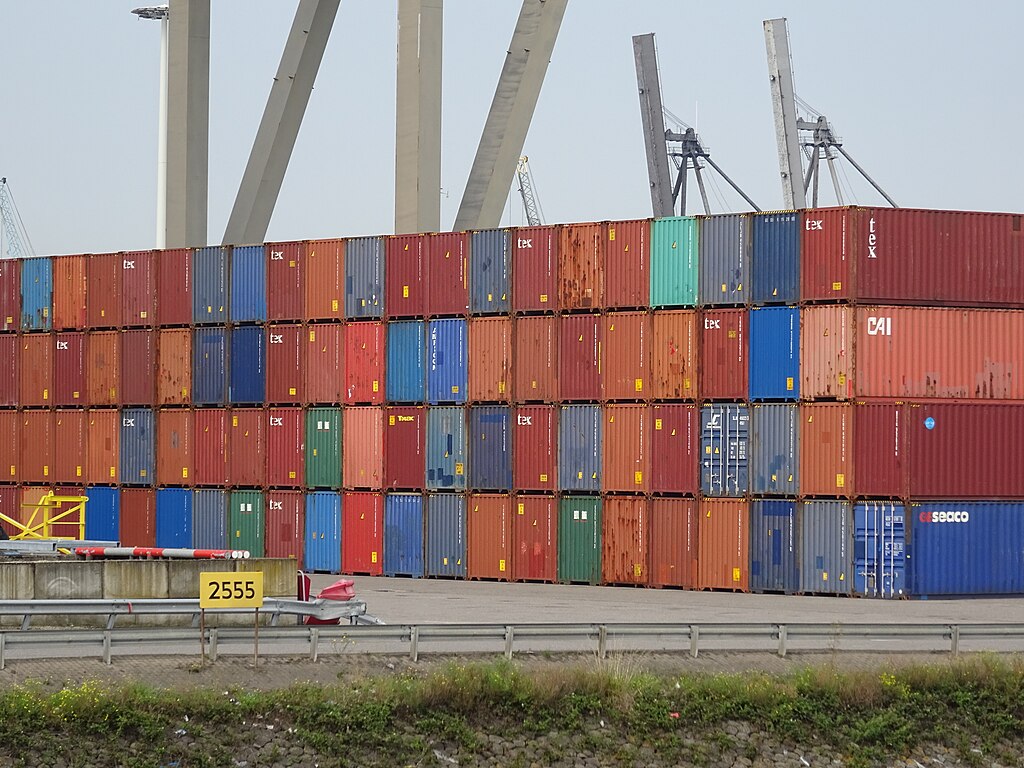
China's trade balance delivered a powerful start to 2026, with the country's trade surplus reaching $213.62 billion in the January-February period — significantly outpacing analyst expectations of $177.40 billion. The stronger-than-expected result underscores the sustained resilience of China's export sector heading into the new year.
Exports were the primary catalyst behind the impressive figures, climbing 21.8% during the two-month period. This was nearly triple the forecasted growth rate of 7.1%, signaling robust global demand for Chinese goods. The performance builds on an extraordinary 2025, when China recorded a record $1.2 trillion annual trade surplus, cementing its position as one of the world's dominant export-driven economies.
A notable tailwind for Chinese exporters came from a recent U.S. Supreme Court ruling that struck down President Donald Trump's trade tariffs. With those levies lifted, U.S.-bound Chinese exports are anticipated to regain momentum. Throughout 2025, Chinese manufacturers largely weathered the tariff headwinds by redirecting goods toward Europe and Asia, where consumer and industrial demand remained healthy — a diversification strategy that proved highly effective.
Equally encouraging was the jump in Chinese imports, which rose 19.8% in the January-February window, far exceeding the projected 6.3% increase. This uptick in domestic demand was fueled partly by elevated consumer spending during the Lunar New Year holiday season, as well as stronger industrial appetite for raw materials and commodities — a positive indicator for China's broader economic recovery.
Together, these trade figures paint a picture of an economy firing on multiple cylinders: strong overseas demand for exports, a favorable shift in U.S. trade policy, and a domestic market showing renewed purchasing power. Analysts will be watching closely to see whether this momentum holds throughout the remainder of 2026.







