


 Global Central Banks Hold Rates Amid Iran War-Driven Energy Price Surge
  Goldman Sachs Delays Bank of England Rate Cut Forecast Amid Middle East Inflation Risks
  Bank of Japan Unveils New Inflation Gauge to Support Case for Future Rate Hikes
  Oil Prices Surge Past $100 as U.S.-Iran Peace Hopes Collapse
  U.S. Stock Futures Steady as Iran Reviews U.S. Ceasefire Proposal
  U.S. Stocks Tumble as Iran Peace Deal Uncertainty Spooks Markets
  Gold Prices Drop Amid Iran Peace Talk Uncertainty and Stronger Dollar
  Will a new border deal with the US open a backdoor into Kiwis’ personal data?
  Bank of Japan Officials Signal Continued Interest Rate Hikes Amid Inflation Concerns
  Oil Prices Slip as Trump Extends Iran Ceasefire Deadline Amid Ongoing War Fears
  Goldman Sachs Raises ECB Rate Hike Forecast Amid Persistent Energy-Driven Inflation


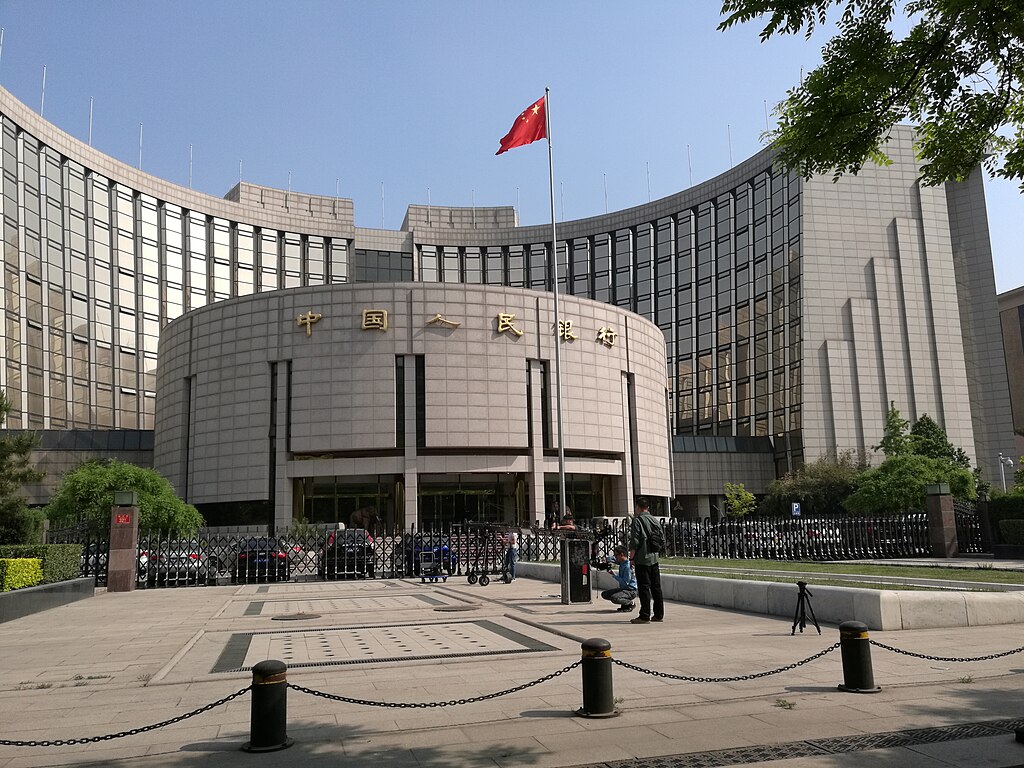
China’s monetary policy framework is expected to remain unchanged as long as maintaining price stability remains the central goal, according to Huang Yiping, an adviser to the People’s Bank of China (PBOC) and professor at Peking University. Speaking at the annual Bund Summit in Shanghai on Friday, Huang addressed how artificial intelligence (AI) could influence future macroeconomic strategies and monetary policy.
Huang emphasized that while AI technology is rapidly transforming various sectors of the economy, the fundamental objective of China’s monetary policy—to ensure price stability—will stay intact. “The monetary policy framework will not change if the goal is to achieve price stability, and I think that would probably remain the same,” he noted. His remarks come as China intensifies efforts to integrate AI into key industries, driving discussions about how emerging technologies could shape economic and financial systems.
However, Huang acknowledged that while the framework itself may not shift, the tools and techniques used to execute monetary policy could evolve to keep pace with technological innovation. He pointed out that policymakers might need to reassess the way they interpret and respond to economic data in an increasingly AI-driven environment.
He also raised a thought-provoking question about AI’s potential short-term deflationary impact. “One small question is whether a successful AI revolution in the short term might be deflationary or push down prices. That certainly could raise the question of whether the original, lower inflation targets should be maintained,” Huang said.
As AI adoption continues to reshape industries, China’s central bank appears focused on balancing innovation with economic stability—signaling that while technology may redefine economic tools, the core mission of maintaining price stability will remain at the heart of its monetary strategy.







