


 US 10-Year Treasury Yield at 6% Emerges as New Market Risk Threshold
  Dollar Falls as Oil Eases, Yen Jumps on Intervention Signals
  Fed Unveils Stablecoin Rules Under GENIUS Act
  Gold Prices Fall as Treasury Yields Rise on Fed Rate Hike Bets
  Mexico-US Trade Talks Delayed to October as Tariff Negotiations Continue
  Wall Street Ends Flat as Oil, Treasury Yields and Fed Jitters Rattle Markets
  Gold Holds Near $4,275 as Rising Treasury Yields Fuel Fed Rate Hike Bets
  Dollar Holds Near Two-Month High as Yen Approaches 160
  Asian Stocks Fall as Surging Bond Yields Rattle Markets
  UK PM Burnham to Unveil Economic Vision at Labour Conference
  European Stocks Fall as Bond Yields and Geopolitical Risks Weigh
  China Agrees to Buy 20 Million Tons of U.S. Coal
  U.S. Dollar Hits Two-Month High as Oil, Treasury Yields Surge
  Australia Unemployment Hits Five-Year High Despite Strong Jobs Growth
  Trump, Xi Focus on Trade and AI at White House Summit
  Asian Currencies Mixed as Dollar Holds Near Two-Month High


 Add as a preferred source on Google
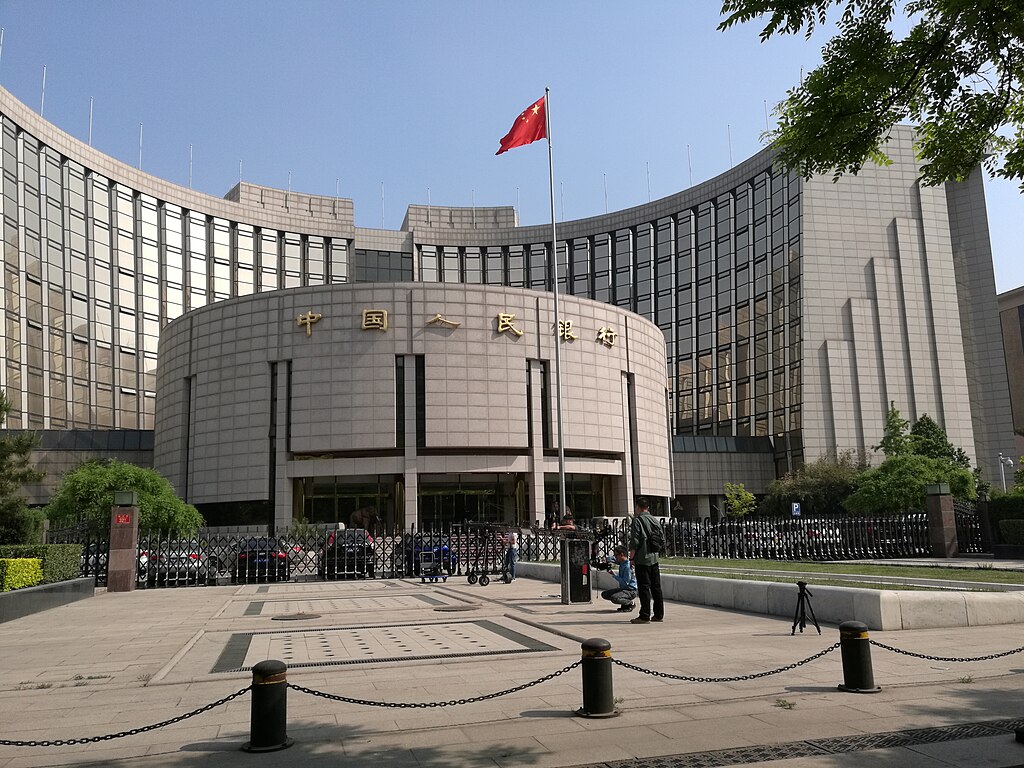
China’s new bank lending rebounded in May but remained weaker than expected, highlighting ongoing caution among businesses and consumers despite recent rate cuts and easing trade tensions. According to data from the People’s Bank of China, banks issued 620 billion yuan ($86.34 billion) in new loans in May, up from April’s nine-month low of 280 billion yuan. However, this fell short of the 850 billion yuan forecast by analysts and lagged behind the 950 billion yuan recorded in May 2024.
Total new loans from January to May reached 10.68 trillion yuan, down from 11.14 trillion yuan during the same period last year. Household loans, mainly mortgages, rose 54 billion yuan in May, reversing a sharp contraction of 521.6 billion yuan in April. Corporate loans declined to 530 billion yuan from April’s 610 billion yuan.
Despite a recent 10 basis point rate cut and liquidity injections aimed at countering trade war pressures, credit demand has yet to show significant recovery. Analysts at Capital Economics cited persistent deflation, which keeps real lending rates high, as a key reason behind sluggish private borrowing and forecast an additional 40 basis points of rate cuts later this year.
Broad credit growth, measured by Total Social Financing (TSF), rose 8.7% year-on-year in May, unchanged from April, supported by increased government bond issuance. The M2 money supply grew 7.9%, slightly below expectations, while M1 rose 2.3%.
A partial U.S.-China trade truce reached in London offered some relief, but ongoing tensions, including elevated tariffs and a prolonged property crisis, continue to weigh on economic sentiment and lending activity. Markets remain cautious as the impact of Beijing’s monetary easing may take more time to materialize.







