


 Burkina Faso and Mali’s fabulous flora: new plant life record released
  LA fires: Fast wildfires are more destructive and harder to contain
  Ukraine minerals deal: the idea that natural resource extraction can build peace has been around for decades
  Thousands of satellites are due to burn up in the atmosphere every year – damaging the ozone layer and changing the climate
  Fungi are among the planet’s most important organisms — yet they continue to be overlooked in conservation strategies
  How to create a thriving forest, not box-checking ‘tree cover’
  An unexpected anomaly was found in the Pacific Ocean – and it could be a global time marker
  Drug pollution in water is making salmon take more risks – new research
  Extreme heat, flooding, wildfires – Colorado’s formerly incarcerated people on the hazards they faced behind bars
  How is Antarctica melting, exactly? Crucial details are beginning to come into focus
  How ongoing deforestation is rooted in colonialism and its management practices
  GesiaPlatform Launches Carbon-Neutral Lifestyle App ‘Net Zero Heroes’


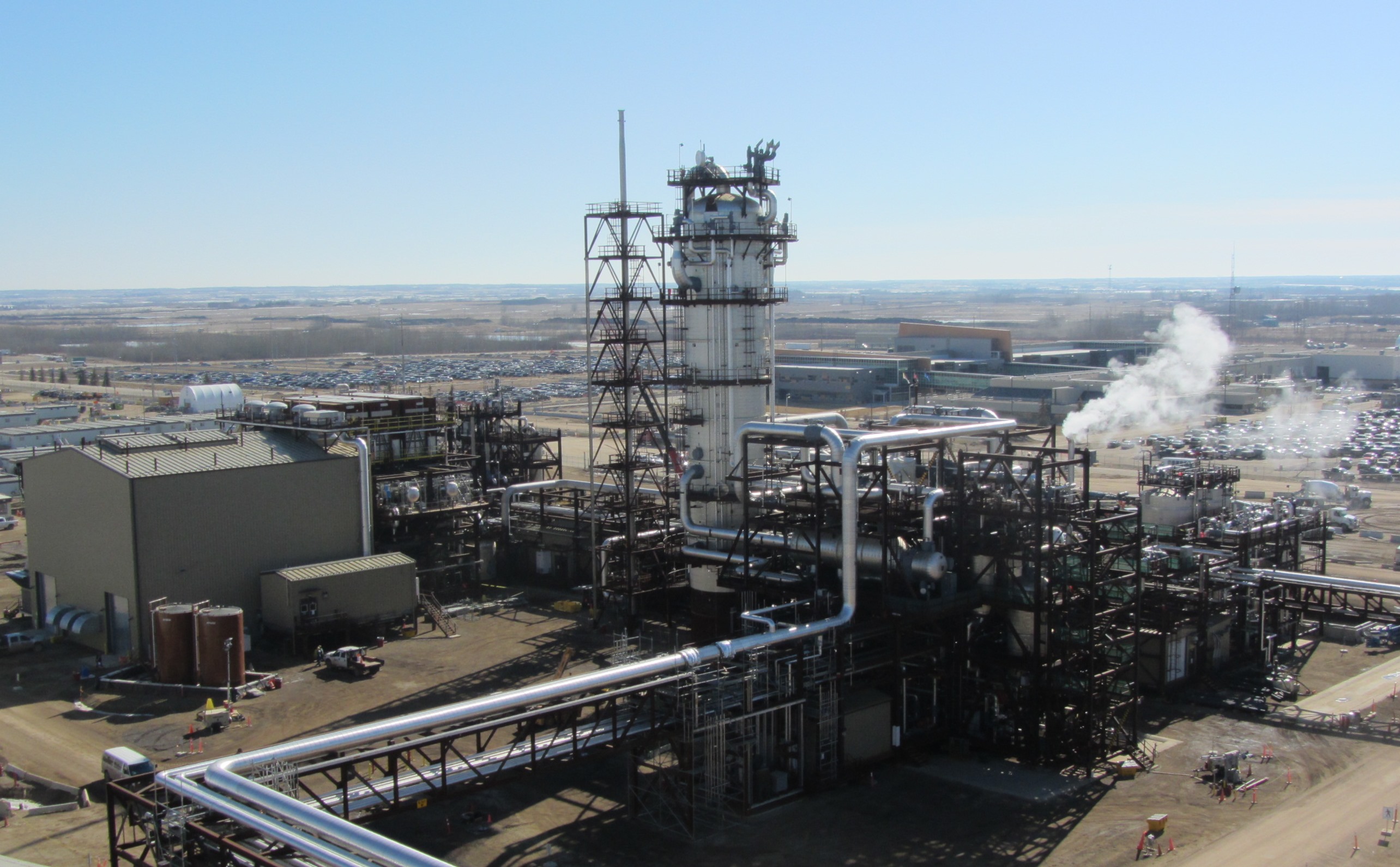
As one of the biggest contributors to carbon emissions in the world, China has taken it upon itself to clean up its air and also become one of the leaders in fighting climate change. To show just how serious it is, the country is building giant plants that will capture carbon from the atmosphere. This also serves to highlight how far the US has fallen in the eyes of the world.
China is planning on building eight large-scale facilities all over the country, which will function as commercial carbon capture and storage (CCS) plants, Digital Journal reports. The first one of its kind was recently opened in Switzerland and the facility is meant to grab the carbon from the atmosphere and then turn it into usable fuel.
This particular Chinese facility is owned by Yanchang Petroleum, an energy company that is operated by the government. It is placed close to the petrochemical plant in the city of Xi’an. Once finished, up to 800,000 tons of carbon will be processed in the facility every year, thus reducing emissions and getting an energy source in the process. That would be like removing 80,000 vehicles from the nation’s roads.
The Global CCS Institute, a nonprofit that’s based in Australia assisted in making the facility a reality. According to one of the Institute’s senior adviser, Tony Zhang, the rest of the facilities are still being evaluated and are awaiting approval.
"It’s one of eight large-scale CCS projects -- in varying stages of evaluation and subject to approval -- that China is considering," Zhang said.
CCS facilities are not the only solutions to carbon emissions being developed and considered, Futurism notes, but it is one of the most promising and realistic. Not only does help curb the rise in greenhouse gasses, it also provides the world with an extra source of energy.







