


 Dollar Holds Near Two-Month High as Yen Approaches 160
  Japan Private-Sector Growth Slows as Domestic Demand Weakens
  Wall Street Falls as Treasury Yields Surge, Oil Rebounds on Iran Tensions
  US, China Extend Trade Truce to Jan. 10 Ahead of Trump-Xi Summit
  U.S. 10-Year Treasury Yield Hits 2007 High as Fed Rate Hike Bets Rise
  Oil Prices Ease as Iran Tensions Clash With Diplomacy Hopes
  US Stock Futures Fall as Treasury Yields Surge Ahead of Trump-Xi Summit
  European Stocks Fall as Bond Yields and Geopolitical Risks Weigh
  U.S. Treasury Yields Surge as 30-Year Hits 22-Year High
  Oil Prices Jump 3% as Houthi Attack Revives Supply Fears
  Asian Stocks Fall as Bond Yields Surge Ahead of Trump-Xi Summit
  Fed Unveils Stablecoin Rules Under GENIUS Act
  Asian Stocks Fall as Surging Bond Yields Rattle Markets
  Asian Currencies Mixed as Dollar Holds Near Two-Month High
  China’s ‘Lipstick King’ Says AI Won’t Replace Livestream Hosts
  Australia Unemployment Hits Five-Year High Despite Strong Jobs Growth
  Trump, Xi Focus on Trade and AI at White House Summit


 Add as a preferred source on Google
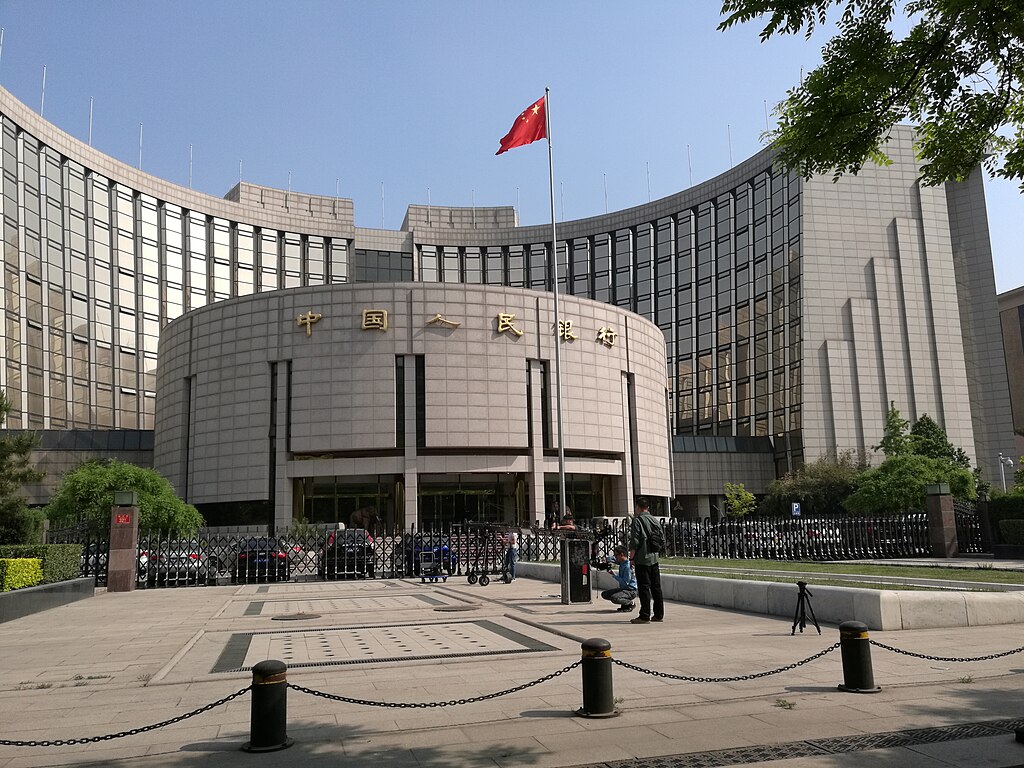
China is widely expected to keep its benchmark lending rates unchanged for the tenth straight month in March, according to a Reuters poll, as soaring global oil prices fueled by escalating Middle East conflict introduce fresh uncertainty into the inflation landscape.
Beijing's 2026 economic growth target of 4.5% to 5% — marginally lower than last year's 5% expansion — combined with stronger-than-expected economic data in early 2026, has lessened the urgency for immediate monetary stimulus, analysts say. All 20 participants in a Reuters survey anticipate the one-year and five-year Loan Prime Rates (LPR) to hold at 3.00% and 3.50%, respectively. The LPR is determined monthly when 20 designated commercial banks submit proposed rates to the People's Bank of China (PBOC).
Global oil prices have surged approximately 50% since the outbreak of the U.S. and Israeli conflict with Iran, sending shockwaves through international financial markets. While Standard Chartered analysts note that a moderate, temporary oil price increase may have limited impact on China's economy, they caution that a deeper escalation — particularly one that restricts key commodity supplies — could disrupt global supply chains and dampen Chinese exports and growth. This risk has led them to push back their forecast for a reserve requirement ratio (RRR) cut to the second quarter and delay an anticipated policy rate reduction to the third quarter.
Not all analysts share the same concern. MUFG China's chief financial market analyst Marco Sun argues that China's sufficient energy reserves provide a strong buffer against external energy shocks, and that the PBOC will continue pursuing an accommodative monetary policy to manage domestic financing pressures.
The rate-hold outlook also aligns with global trends, as the U.S. Federal Reserve and the Bank of Canada both maintained a hawkish stance this week, citing inflation risks driven by rising energy costs from the ongoing Iran conflict.







