


 Australia Unemployment Hits Five-Year High Despite Strong Jobs Growth
  Japanese Yen Rebounds as Trump Flags Currency Weakness
  Gold Holds Near $4,275 as Rising Treasury Yields Fuel Fed Rate Hike Bets
  Fed Unveils Stablecoin Rules Under GENIUS Act
  Gold Prices Fall as Treasury Yields Rise on Fed Rate Hike Bets
  Dollar Holds Near Two-Month High as Yen Approaches 160
  Asian Currencies Mixed as Dollar Holds Near Two-Month High
  Oil Prices Fall on U.S.-Iran Hormuz Deal Hopes
  Trump, Xi Focus on Trade and AI at White House Summit
  Germany’s 2026 Growth Outlook Strengthens on Fiscal Spending
  U.S. Dollar Hits Two-Month High as Oil, Treasury Yields Surge
  US 10-Year Treasury Yield at 6% Emerges as New Market Risk Threshold
  Wall Street Ends Flat as Oil, Treasury Yields and Fed Jitters Rattle Markets
  Canadian Dollar Faces Pressure as Fed-BoC Policy Gap Widens
  UK PM Burnham to Unveil Economic Vision at Labour Conference
  Dollar Falls as Oil Eases, Yen Jumps on Intervention Signals


 Add as a preferred source on Google
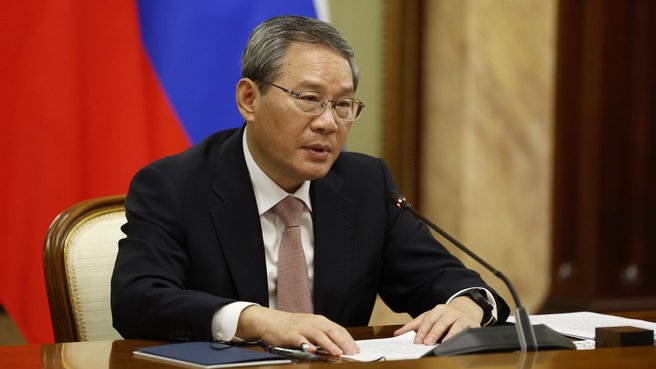
Chinese Premier Li Qiang expressed confidence in maintaining “relatively rapid” economic growth as China shifts from a manufacturing-based model to a consumption-driven economy. Speaking at the World Economic Forum in Tianjin, Li underscored China's strong momentum despite global headwinds and ongoing U.S. trade tensions.
The transition comes as Beijing attempts to balance near-term growth with long-term structural reforms. China’s $19 trillion economy faces a crossroads: continue with export-led growth, which is increasingly under threat due to escalating trade friction, or pivot toward sustainable domestic consumption, which promises long-term gains but involves short-term sacrifices.
Li stated, “Regardless of how the international environment evolves, China’s economy has consistently maintained a strong momentum for growth.” He emphasized steady improvement in Q2 and reiterated China's ambitious 2025 GDP target of around 5%. However, many analysts, including those at Oxford Economics, project slower growth ahead, estimating an average of 4.5% this decade and down to 3% by the 2030s.
The International Monetary Fund has urged Beijing to adopt deeper reforms—particularly in pensions and social welfare—to ease the shift toward consumer-led growth. Economists argue that more direct policy support for households could accelerate this transition, but political sensitivities remain. High growth has long been a pillar of the Communist Party’s legitimacy, making structural change a cautious endeavor.
Li concluded by highlighting the global opportunities of this pivot: “We aim to help China transition from a major manufacturing power to a colossal consumer market. This will open up vast and untapped markets for businesses from many countries.”
The success of China’s economic transformation will depend on whether it can harmonize growth, reform, and social stability in an increasingly volatile global landscape.







