


 U.S. Lawmakers to Review Unredacted Jeffrey Epstein DOJ Files Starting Monday
  Instagram Outage Disrupts Thousands of U.S. Users
  Panama Supreme Court Voids CK Hutchison Port Concessions, Raising Geopolitical and Trade Concerns
  Sony Q3 Profit Jumps on Gaming and Image Sensors, Full-Year Outlook Raised
  Newly Released DOJ Epstein Files Expose High-Profile Connections Across Politics and Business
  California Sues Trump Administration Over Federal Authority on Sable Offshore Pipelines
  Federal Judge Signals Possible Dismissal of xAI Lawsuit Against OpenAI
  Uber Ordered to Pay $8.5 Million in Bellwether Sexual Assault Lawsuit
  Citigroup Faces Lawsuit Over Alleged Sexual Harassment by Top Wealth Executive
  SoftBank Shares Slide After Arm Earnings Miss Fuels Tech Stock Sell-Off
  Missouri Judge Dismisses Lawsuit Challenging Starbucks’ Diversity and Inclusion Policies
  Prudential Financial Reports Higher Q4 Profit on Strong Underwriting and Investment Gains
  Trump Lawsuit Against JPMorgan Signals Rising Tensions Between Wall Street and the White House
  TrumpRx Website Launches to Offer Discounted Prescription Drugs for Cash-Paying Americans
  Supreme Court Signals Doubts Over Trump’s Bid to Fire Fed Governor Lisa Cook
  Alphabet’s Massive AI Spending Surge Signals Confidence in Google’s Growth Engine
  Federal Reserve Faces Subpoena Delay Amid Investigation Into Chair Jerome Powell


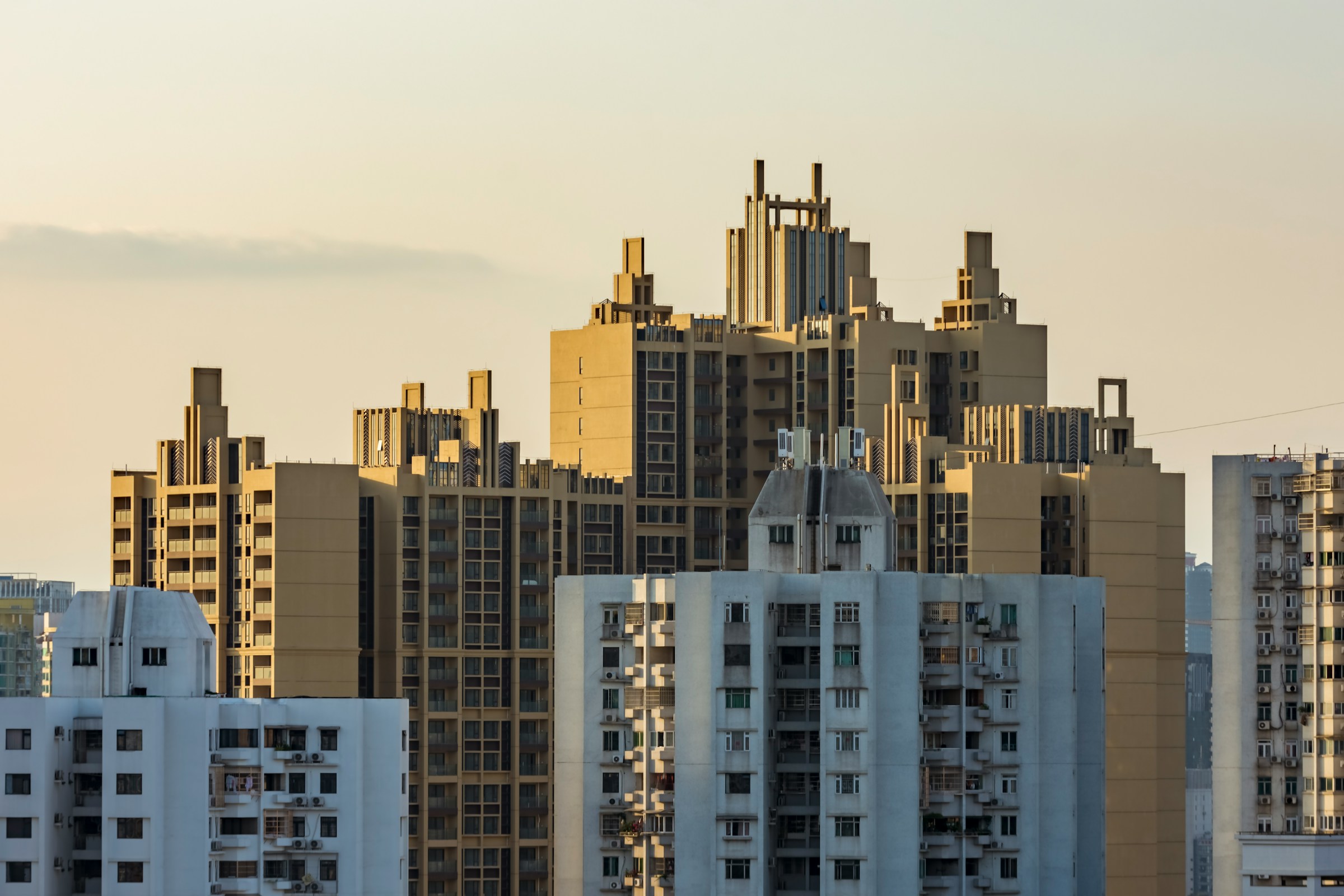
China Evergrande Group is set to appear in a Hong Kong court on Monday for a pivotal hearing that will determine whether the troubled Chinese property developer will be liquidated. As the world's most indebted developer, with over $300 billion in liabilities, Evergrande's financial turmoil has sparked concerns about the stability of the global economy.
A Spiralling Debt Crisis Shakes the Property Sector
Evergrande's default on its debt in 2021 sent shockwaves through the struggling property sector, exacerbating a more significant crisis and leading to a wave of defaults among other companies. Reuters reported that with $240 billion in assets, a decision to liquidate Evergrande could profoundly impact China's capital and property markets, which are already fragile.
The low investor and consumer confidence remain a significant obstacle to China's efforts to revitalize growth.
The liquidation process is expected to be complex due to the involvement of multiple authorities, and potential political considerations may further complicate matters. However, in the short term, the liquidation ruling will unlikely disrupt the company's ongoing operations, including its home construction projects.
This is because the offshore liquidator appointed by the creditors needs time to assume control of subsidiaries across mainland China, which operates under a different jurisdiction from Hong Kong.
Long-Awaited Debt Revamp Plan Derailed
US News noted that Evergrande had been working on a $23 billion debt revamp plan for nearly two years in collaboration with an ad hoc bondholder group. However, the firm's original plan was derailed in late September when its billionaire founder, Hui Ka Yan, came under investigation for suspected crimes.
This setback added to the mounting challenges faced by Evergrande, further eroding investor confidence and hampering attempts to stimulate growth.
The potential liquidation of Evergrande poses financial risks and broader economic implications. A ruling favoring liquidation could fuel market volatility and jeopardize China's fragile economy.
The country's policymakers have been striving to boost growth, but with prevailing low confidence levels, any negative impact on the financial markets will undoubtedly undermine their efforts.
Photo: Scarbor Siu/Unsplash













