


 Paramount Skydance Clears Regulatory Hurdles for Warner Bros. Discovery Deal
  CNN, MS NOW and Politico Sue Trump Over White House Media Ban
  Google and NBCUniversal Strike Multi-Year Deal to Keep NBC Shows on YouTube TV
  Paramount-Warner Bros $110 Billion Deal Draws Antitrust Backlash
  Disney’s ABC Pulls Jimmy Kimmel Live! After Controversial Remarks on Charlie Kirk Killing
  Trump Bans CNN, MS NOW and Politico From White House
  FAA Allows Boeing to Sell 35 More 777F Freighters Beyond 2028
  Petrobras Joins Brazil’s New Diesel Subsidy Program
  Meta Partners With Shopify to Bring Shop Pay Checkout to Muse AI
  Trump–Kushner Links Raise Concerns as Paramount Pushes $108B Warner Bros Discovery Bid
  Supertanker Orders Surge as US-Iran War Reshapes Oil Trade
  Trump Plans Federal AI Force and AI Czar
  US Northeast Airports Resume Operations After Telecom Outage Disrupts Thousands of Flights
  Tennessee Plans to Rename Nashville Airport After Dolly Parton
  California Seeks Paramount Divestitures in Warner Bros. Merger


 Add as a preferred source on Google
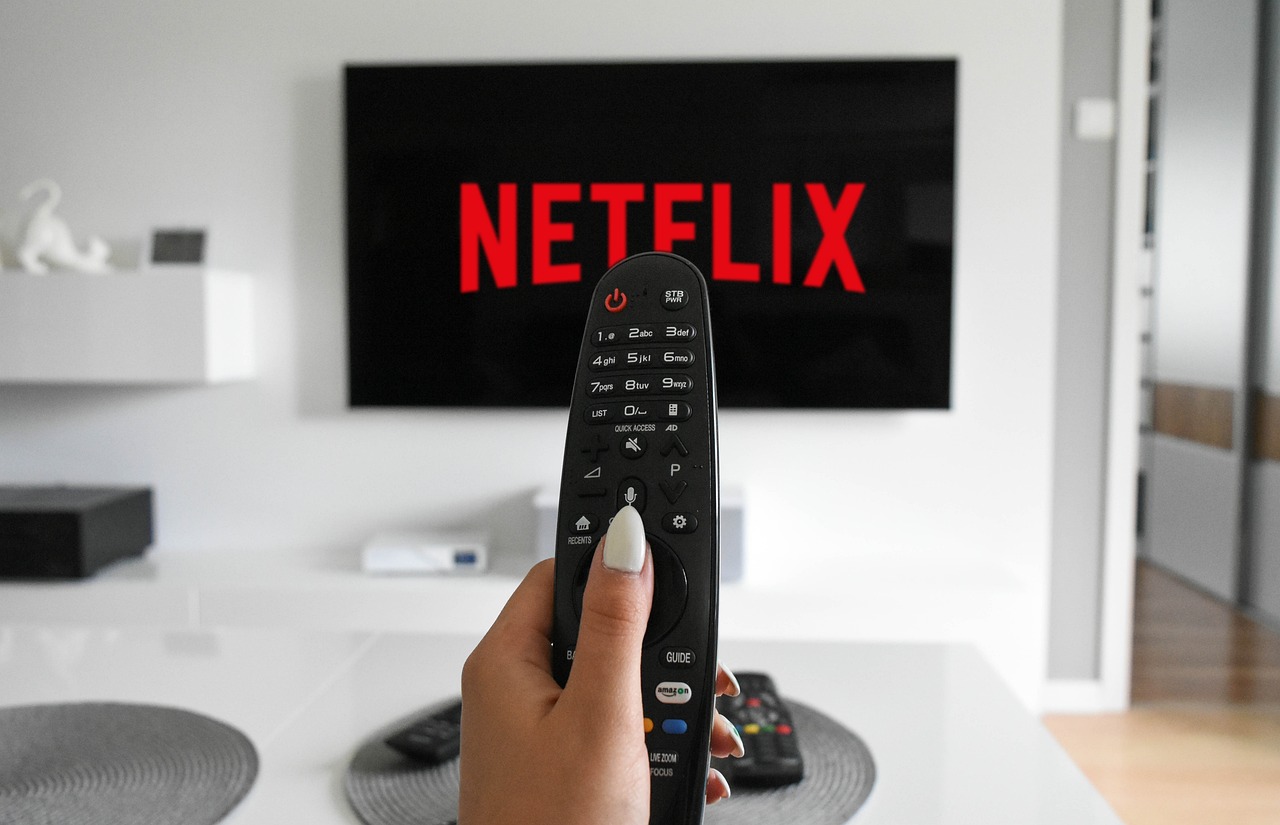
Netflix’s proposed acquisition of Warner Bros Discovery’s studios and HBO Max streaming service is being framed as a move that could reduce streaming costs for consumers, according to sources familiar with ongoing confidential discussions. In recent talks, Netflix reportedly emphasized that a future bundle combining Netflix and HBO Max could lower subscription expenses for viewers at a time when streaming prices across the industry are rising. This positioning directly targets potential regulatory concerns that a merger between two of the biggest streaming platforms might limit choices or drive prices higher.
Warner Bros Discovery has been exploring the sale of its film and TV studios, cable networks including HBO and CNN, and its HBO Max streaming platform. Netflix has already presented a largely cash-based offer for the entertainment giant’s studio and streaming assets, Reuters previously reported. By highlighting consumer benefits and competitive pricing, Netflix hopes to strengthen its case against any antitrust challenges that may arise as the deal progresses.
Industry analysts note that the acquisition would significantly expand Netflix’s content library, giving it access to Warner Bros’ extensive film catalog, the entire HBO lineup, and major IPs such as DC Comics. However, insiders say the merger is unlikely to dramatically increase Netflix’s market share because many HBO Max subscribers are already Netflix users. Meanwhile, competing bidders—including Comcast and Paramount Skydance—also see HBO Max as a strategic way to enhance their own streaming platforms.
Analyst Jessica Reif Ehrlich of Bank of America has noted that combining HBO Max with Paramount+ or Peacock would create a robust challenger to Netflix and Disney+, especially in terms of content variety and depth. She also warned that Comcast risks falling behind if rivals expand their streaming scale. Despite Netflix’s dominance in subscriber numbers, Ehrlich highlighted that the company still lacks the deep intellectual property catalogs that other media giants possess.
Netflix’s potential takeover comes as it faces political scrutiny, from Pentagon critiques to concerns from Republican lawmakers regarding market influence. Nevertheless, if the acquisition succeeds, it could mark one of the most significant shifts in the streaming industry since its inception.







