


 Nasdaq Proposes Fast-Track Rule to Accelerate Index Inclusion for Major New Listings
  Jerome Powell Attends Supreme Court Hearing on Trump Effort to Fire Fed Governor, Calling It Historic
  Panama Supreme Court Voids CK Hutchison Port Concessions, Raising Geopolitical and Trade Concerns
  Federal Judge Restores Funding for Gateway Rail Tunnel Project
  Supreme Court Signals Doubts Over Trump’s Bid to Fire Fed Governor Lisa Cook
  Meta Faces Lawsuit Over Alleged Approval of AI Chatbots Allowing Sexual Interactions With Minors
  Uber Ordered to Pay $8.5 Million in Bellwether Sexual Assault Lawsuit
  Hims & Hers Halts Compounded Semaglutide Pill After FDA Warning
  TSMC Eyes 3nm Chip Production in Japan with $17 Billion Kumamoto Investment
  US Judge Rejects $2.36B Penalty Bid Against Google in Privacy Data Case
  Trump Backs Nexstar–Tegna Merger Amid Shifting U.S. Media Landscape
  New York Judge Orders Redrawing of GOP-Held Congressional District
  Weight-Loss Drug Ads Take Over the Super Bowl as Pharma Embraces Direct-to-Consumer Marketing
  Alphabet’s Massive AI Spending Surge Signals Confidence in Google’s Growth Engine
  Nvidia, ByteDance, and the U.S.-China AI Chip Standoff Over H200 Exports


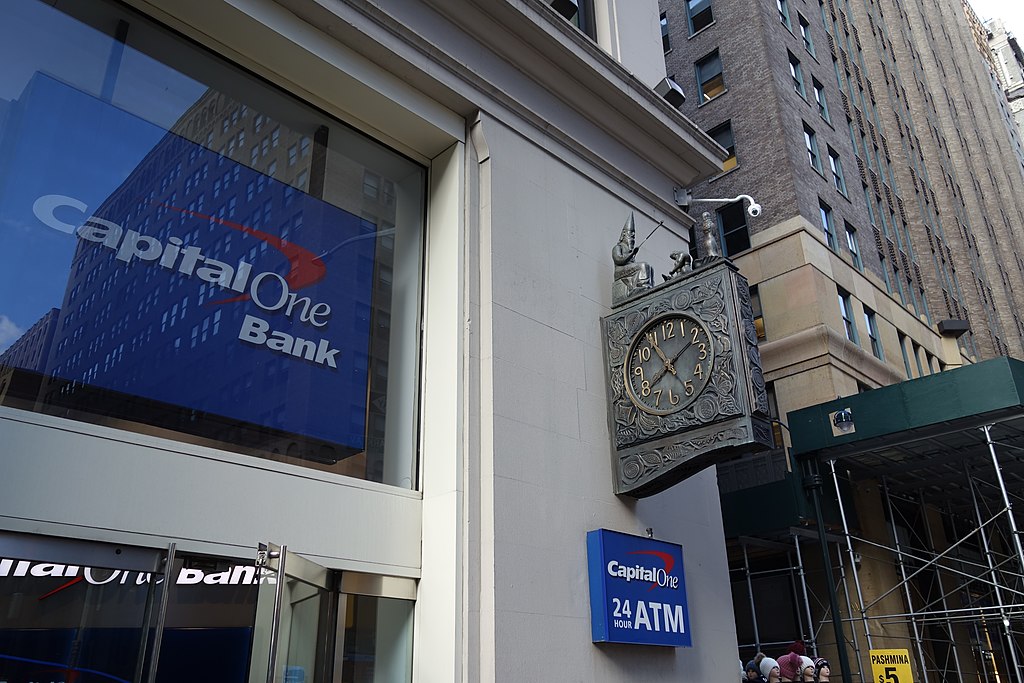
Capital One has agreed to a $425 million settlement to resolve a nationwide class-action lawsuit alleging the bank misled customers about interest rates on its 360 Savings accounts. The settlement, filed in federal court in Alexandria, Virginia, still requires judicial approval.
The lawsuit claims Capital One offered new customers significantly higher interest rates through its 360 Performance Savings accounts while locking existing 360 Savings account holders into a much lower 0.3% rate. At one point, the Performance Savings accounts offered up to 4.35%, with current rates around 3.6%.
As part of the agreement, Capital One will pay $300 million to compensate customers for lost interest and an additional $125 million to those who still hold 360 Savings accounts. The settlement applies to anyone who held a 360 Savings account since September 18, 2019. Legal fees will be deducted from the total settlement amount.
Although Capital One did not admit wrongdoing, the case has drawn regulatory and legal scrutiny. New York Attorney General Letitia James filed a similar suit on behalf of state residents, which the bank has pledged to contest. Previously, the Consumer Financial Protection Bureau pursued similar claims but dropped them in early 2021 following changes in federal enforcement priorities.
This settlement comes as Capital One prepares to finalize its $35.3 billion acquisition of Discover Financial Services on May 18, signaling a pivotal moment for the McLean, Virginia-based bank.
The lawsuit is officially titled In re Capital One 360 Savings Account Interest Rate Litigation, Case No. 24-md-03111, in the U.S. District Court for the Eastern District of Virginia.
This case underscores the importance of transparency in banking and could lead to increased scrutiny over how financial institutions manage interest-bearing accounts.













