


 Guterres Urges Stronger Global AI Safeguards Ahead of UN Assembly
  UK PM Andy Burnham Set for First Trump Meeting in New York
  US Stocks Rise Ahead of Fed Rate Decision
  BOJ Set for Rate Hike as Inflation and Yen Pressure Mount
  Asian Currencies Mixed as Dollar Holds Gains After Fed Rate Hike
  ICE Agent Arrested in Minneapolis Over Venezuelan Man Shooting
  Trump Hopes Iran War Nears End as Yemen Fighting Escalates
  Australia Tightens Student Visa Rules, Targets Migration Cut by 2028
  Saudi Arabia Raises Security Alerts as Houthi Attacks Threaten Oil Routes
  Paris Talks Focus on Lebanon Army Needs as UNIFIL Exit Looms
  Ukraine Tests New Anti-Drone Weapon After Successful Shahed Intercept
  China’s Slower Loan Growth Becomes ‘New Normal’ as Credit Demand Weakens
  Hong Kong Unveils First Five-Year Plan to Boost Finance, Tech and Housing
  Nvidia CEO Jensen Huang Expected at Trump-Xi State Dinner
  Trump Threatens EU Tariffs Over Canada Membership Proposal
  US Allies Fear Trump Could Soften Taiwan Stance in Xi Talks
  Banking scandal rocks Brazil’s politics and the country’s presidential election in October


 Add as a preferred source on Google
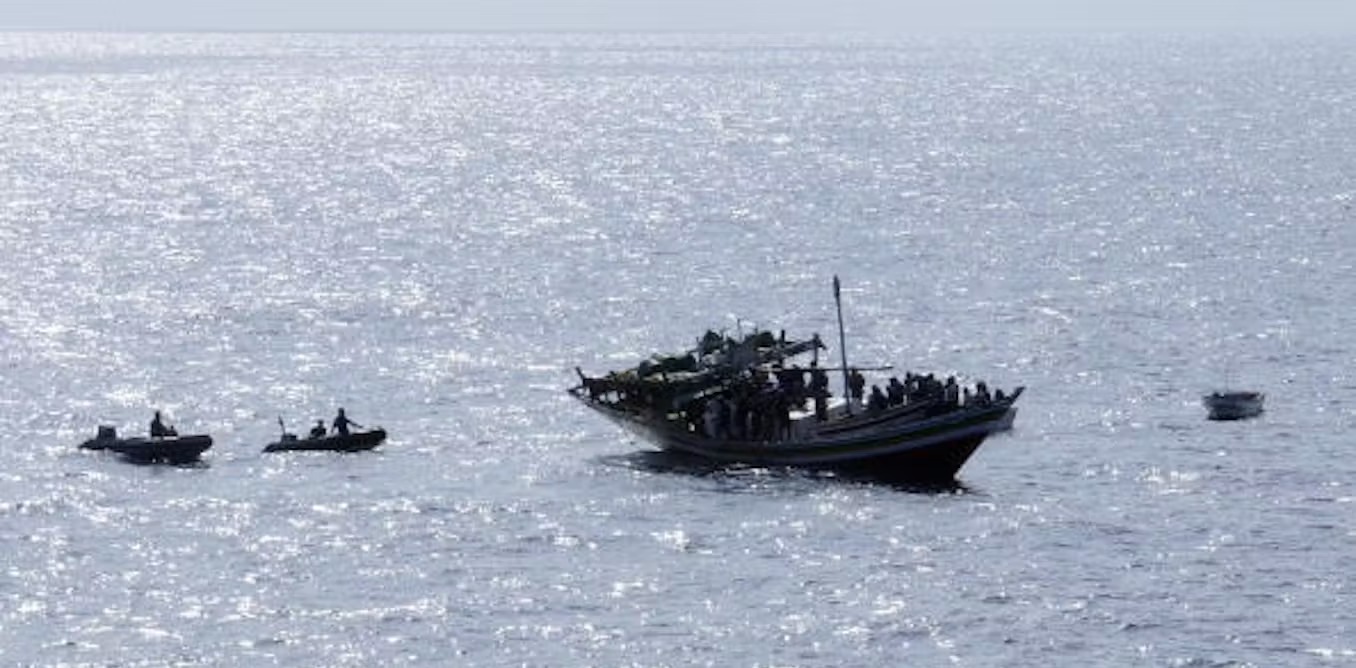
Escalating fighting in Yemen is forcing civilians to flee across the Red Sea while raising fresh concerns over global oil supplies as the wider Middle East conflict spreads to critical energy routes.
More than 100,000 Yemenis have been displaced by the latest clashes between Iran-backed Houthi fighters and Saudi-backed forces, according to the International Organization for Migration. Some civilians have escaped by crowded boats to Africa after airstrikes, food shortages and fighting made their communities increasingly unsafe.
Houthi-controlled television reported new Saudi airstrikes on Thursday in Hajjah province near the Saudi border and around Taiz. The Houthis, who seized Yemen's entire Red Sea coastline during a rapid advance last week, claim Saudi forces have carried out hundreds of strikes. The group has responded by launching missiles and drones across the border.
The Houthis also claimed Wednesday that they shot down a Saudi F-15 fighter jet, releasing footage showing fighters examining wreckage bearing Saudi military markings.
The escalation is adding pressure to energy markets already disrupted by the U.S.-Israel war with Iran. Global crude oil prices have traded between $100 and $110 per barrel this week, their highest levels since May. U.S. diesel prices also reached a record just below $6.40 per gallon on Thursday.
President Donald Trump said Wednesday he hoped the Iran conflict was nearing an end, adding that Tehran wanted a deal. However, no U.S.-Iran negotiations have taken place since an interim agreement reached in June quickly collapsed.
Meanwhile, the U.S. Navy is guiding commercial vessels through the Strait of Hormuz while Washington maintains a blockade of Iranian ports. Iran says the strategic waterway will remain closed until the blockade ends.
The Yemen conflict threatens another crucial energy corridor. Houthi gains along the Red Sea coast and islands near the Bab el-Mandeb Strait have increased risks to shipping, while Saudi Arabia's East-West Pipeline remains shut after being struck last week. The pipeline had provided Riyadh with an alternative route for exporting oil through the Red Sea when Gulf shipping faced disruption.







