


 German 2-Year Yield Hits 2023 High as Rate Hike Bets Rise
  Saudi Arabia Raises Security Alerts as Houthi Attacks Threaten Oil Routes
  US Stock Futures Rally as Markets Digest Fed Rate Hike
  Vietnam, U.S. Firms Plan 29 Deals Across Energy, Tech and Aviation
  Trip.com Shares Rise as Q2 Earnings Beat Estimates
  BOJ Set for 25-Basis-Point Rate Hike as Yen Weakness Fuels Inflation
  US Stock Futures Rise as Markets Brace for Fed Rate Hike
  Gold Prices Slip as Fed Rate Hike Looms, Treasury Yields Rise
  Ex-Google DeepMind Researcher Warns AI Could Pose Existential Threat
  Meta CEO Zuckerberg Backs Independent AI Safety Reviews Over Development Slowdown
  US Stocks Rise Ahead of Fed Rate Decision
  Anthropic Eyes Second Straight Profitable Quarter Ahead of Potential IPO
  Japanese Yen Retreats as Dollar Rises Ahead of Fed, BOJ Rate Decisions
  Berkshire Hathaway Eyes Bigger Stakes in Japan’s Top Trading Houses
  Trump Hopes Iran War Nears End as Yemen Fighting Escalates
  Nvidia CEO Jensen Huang Expected at Trump-Xi State Dinner


 Add as a preferred source on Google
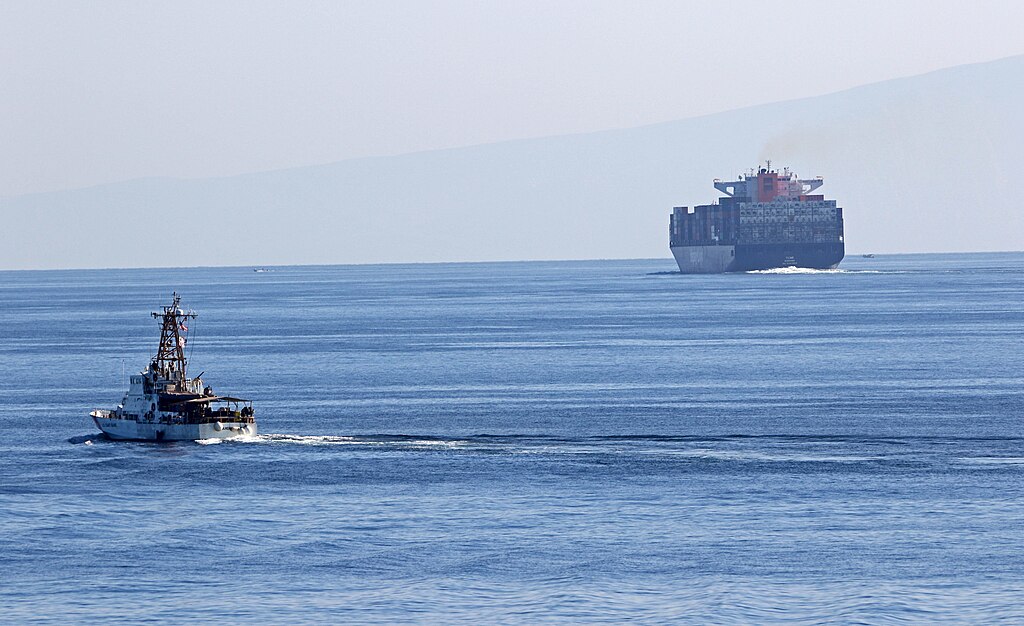
Shipowners are ordering supertankers at the fastest pace in at least 25 years as the US-Iran war disrupts traditional oil routes and increases demand for long-distance crude shipments.
Signal Group data shows 217 Very Large Crude Carriers (VLCCs) have been ordered in 2026, more than double the 93 ordered throughout 2025. Allied Shipbroking recorded 164 orders compared with 83 last year. The buying spree is valued at more than $20 billion, with each VLCC costing roughly $130 million and capable of carrying about two million barrels of oil.
The surge reflects expectations that more crude will travel from the Atlantic basin to Asia and Europe as refiners reduce their dependence on Middle Eastern supplies. The virtual closure of the Strait of Hormuz, which previously handled about one-fifth of global oil and liquefied natural gas flows, has accelerated that shift.
US crude exports have reached record levels, while Brazil, Guyana and Argentina are expected to lead further production growth in eastern South America. Vortexa analyst Ioannis Papadimitriou estimates regional output could increase by around 2.5 million barrels per day through 2030, supporting longer shipping routes to European and Asian markets.
Tanker demand has also risen because oil from the Gulf increasingly needs to be moved through Hormuz on smaller vessels before being transferred to larger ships in the Gulf of Oman. Middle Eastern producers are also considering greater ownership of tankers as commercial shipowners remain wary of Iranian attacks.
The disruption has pushed VLCC spot rates above $500,000 per day, according to Allied Shipbroking, compared with roughly $132,000 in February before the war.
Fleet renewal is another factor behind the record ordering boom. Veson Nautical estimates around 20% of existing VLCCs are more than 20 years old. New contracts extending into 2029 and 2030 suggest shipowners expect strong crude tanker demand to persist.
Meanwhile, older tankers continue finding buyers, including operators in the so-called shadow fleet transporting sanctioned Russian, Iranian and Venezuelan oil outside mainstream Western shipping and insurance networks.







