


 How ongoing deforestation is rooted in colonialism and its management practices
  Erste Group Plans Tender Offer to Boost Poland Bank Stake
  AstraZeneca Q2 Earnings Beat Forecasts as Oncology Growth Supports 2026 Outlook
  Oil Prices Ease as Iran Tensions Clash With Diplomacy Hopes
  NASA's Artemis II Mission: First Crewed Lunar Journey Since Apollo
  GLP-1 Weight-Loss Drug Use Surges Among U.S. Children
  Rise of the Zombie Bugs takes readers on a jaw-dropping tour of the parasite world
  Lake beds are rich environmental records — studying them reveals much about a place’s history
  Novo Nordisk Eyes Turnaround as Oral Wegovy Challenges Eli Lilly in Weight-Loss Drug Race
  Eli Lilly’s Inluriyo Gains FDA Approval for Advanced Breast Cancer Treatment
  Fungi are among the planet’s most important organisms — yet they continue to be overlooked in conservation strategies
  SpaceX Pivots Toward Moon City as Musk Reframes Long-Term Space Vision
  Canadian Dollar Faces Pressure as Fed-BoC Policy Gap Widens
  What’s so special about Ukraine’s minerals? A geologist explains
  SpaceX Delays Starship V3 Launch Ahead of Potential Record IPO
  Jeff Bezos Invests $32 Billion in Blue Origin as Space Firm Targets Major Growth
  Asian Stocks Fall as Surging Bond Yields Rattle Markets


 Add as a preferred source on Google
Polytechnique Montreal grades cafeteria dishes from A to F corresponding to equivalent CO2 emissions in kilograms, according to Patrick Cigana of the school's Office of Sustainable Development.
This allows students to check out information about the dishes’ carbon footprint.
Supported by the student body, the project aims to educate and raise awareness, says Cigana.
The study helps students know what is best for the environment.
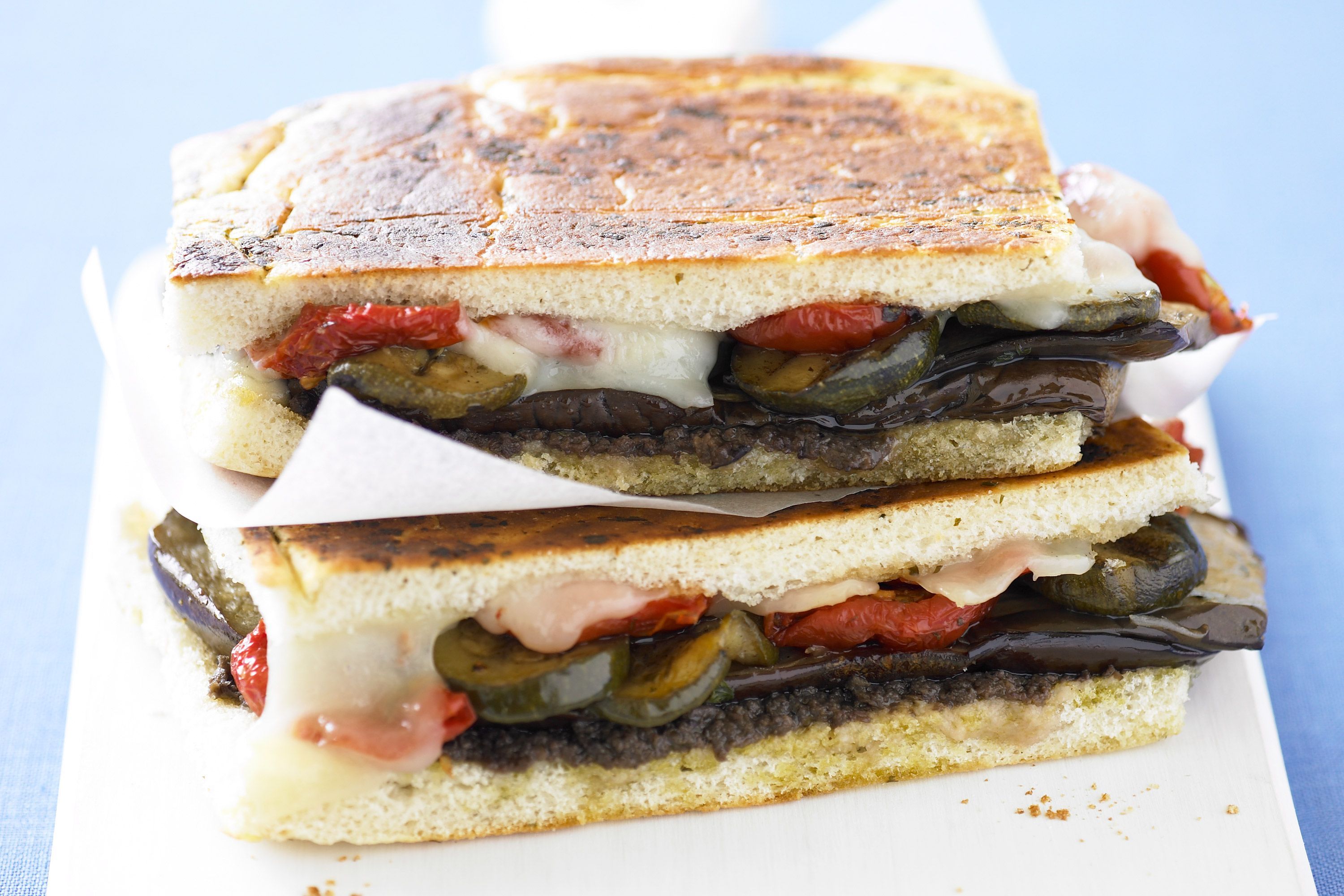
For example, a meal of meat and potatoes was rated B compared to the D+ given to the vegetable focaccia because of its au gratin cheese.
To calculate the carbon footprint of each dish, a small team of researchers and students at the on-campus International Reference Center for Life Cycle Analysis and Sustainable Transition (CIRAIG) analyzes each of the recipes’ ingredients based on previously compiled databases.
According to Francois Saunier, deputy general manager of CIRAIG, the process starts from the field, from the moment we cultivate the plant until the dish is served in the cafeteria
The calculations include transportation, food waste, and cooking in the cafeteria.
He noted the unexpectedly high carbon footprint of cheese or rice, being major sources of methane emissions.
The food system, including production, packaging, and distribution, - represents the primary source of greenhouse gas emissions at the global level, according to Carole-Anne Lapierre, an agriculture and food systems analyst at Equiterre.
Polytechnique's initiative gives us immense power as consumers because we can make different choices, adds the expert,
The university's pilot experiment is the only one of its kind in Canada, although in 2019 a French university and some British restaurants created menus using a similar idea.







