


 Asian Stocks Fall as Bond Yields Surge Ahead of Trump-Xi Summit
  Gold Drops Over 1% as Dollar, Treasury Yields Surge on Fed Rate Hike Bets
  Mexico-US Trade Talks Delayed to October as Tariff Negotiations Continue
  South Korea, US Discuss Warship Building Cooperation
  China’s ‘Lipstick King’ Says AI Won’t Replace Livestream Hosts
  European Stocks Slip as Iran Tensions Offset Strong Eurozone Data
  Gold Prices Fall as Treasury Yields Rise on Fed Rate Hike Bets
  Fed Unveils Stablecoin Rules Under GENIUS Act
  Asian Currencies Mixed as Dollar Holds Near Two-Month High
  Oil Prices Jump 3% as Houthi Attack Revives Supply Fears
  US, China Extend Trade Truce to Jan. 10 Ahead of Trump-Xi Summit
  Soybean Futures Slip as Traders Await Trump-Xi Trade Signals
  Japan Private-Sector Growth Slows as Domestic Demand Weakens
  US Stock Futures Fall as Treasury Yields Surge Ahead of Trump-Xi Summit
  US Dollar Hits Two-Month High as Fed Rate Hike Bets Rise
  U.S. Dollar Hits Two-Month High as Oil, Treasury Yields Surge
  Oil Prices Surge as U.S.-Iran Diplomacy Hopes Fade


 Add as a preferred source on Google
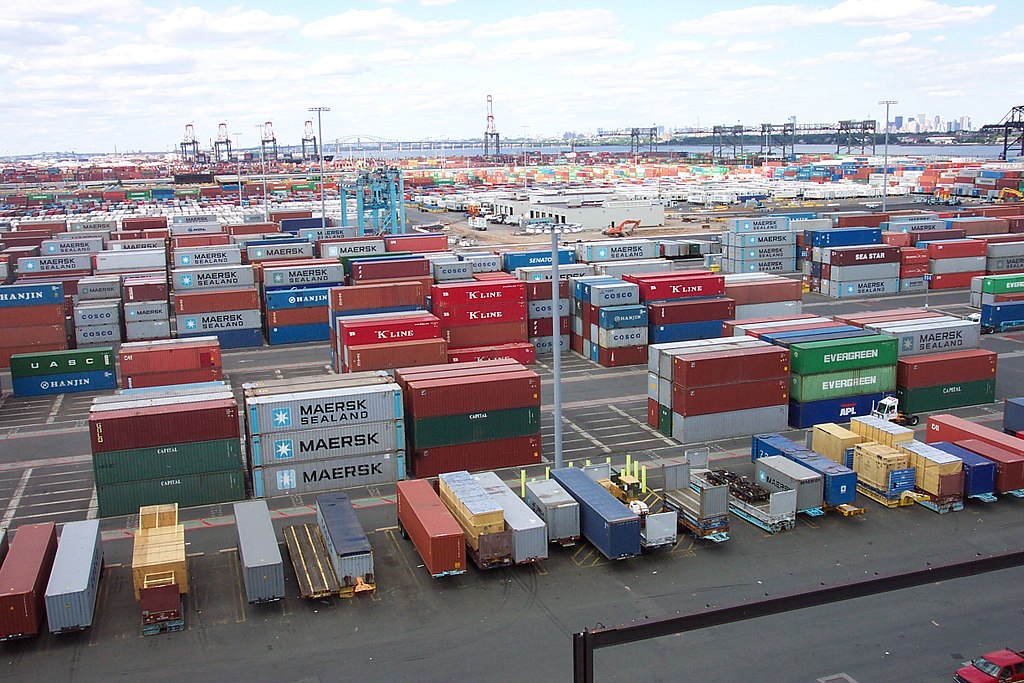
Canada has introduced a temporary 10% tariff on certain canned vegetable imports as part of efforts to protect domestic growers and food processing companies from increasing foreign competition. According to a statement from the Department of Finance, the safeguard measure officially took effect on June 19 and is expected to remain in place for up to 200 days while authorities continue reviewing market conditions.
The Canadian government said the decision follows an investigation launched earlier this year into concerns that shifting global trade patterns were leading to a surge in imported canned vegetables. Officials believe these imports could negatively impact local agricultural producers and food manufacturers by placing additional pressure on prices and market share.
Under World Trade Organization (WTO) rules, countries are permitted to introduce temporary safeguard measures when a significant increase in imports threatens to cause serious injury to domestic industries. Canadian authorities stated that the new tariff is designed to provide temporary relief while a more detailed assessment of the market is conducted.
Several countries will be exempt from the tariff. Imports originating from the United States, Mexico, Israel, Chile, and eligible developing nations will not be subject to the additional duty. The government noted that these exemptions are necessary to ensure compliance with Canada’s international trade commitments and existing trade agreements.
The move reflects broader concerns about global trade disruptions and the impact of changing supply chains on domestic industries. Policymakers have increasingly focused on supporting Canadian farmers and food processors as competition from imported products continues to grow.
Trade experts have pointed out that safeguard tariffs are relatively rare but may become more common during periods of economic uncertainty and changing trade flows. Similar actions have been taken elsewhere. In February, the European Union imposed anti-dumping duties on Chinese sweetcorn imports, arguing that the products were being sold at unfairly low prices and harming local producers.
Canada’s temporary tariff on canned vegetable imports will remain in effect as regulators continue evaluating whether rising import volumes pose a long-term threat to the country’s agricultural and food processing sectors. The outcome of the ongoing investigation could influence future trade policy decisions and the competitiveness of Canada’s domestic food industry.







