


 Mercedes-Benz Eyes €800 Million Labor Cost Cuts in Germany
  European Stocks Fall as Bond Yields and Geopolitical Risks Weigh
  Costco Revenue Beats Estimates as Inflation Drives Bulk Shopping
  Oil Prices Ease as Iran Tensions Clash With Diplomacy Hopes
  Airbus Finds A321neo Fuselage Quality Issue
  Jeff Bezos Invests $32 Billion in Blue Origin as Space Firm Targets Major Growth
  Australia Unemployment Hits Five-Year High Despite Strong Jobs Growth
  JPMorgan Names Lavatelli Japan Chief in Leadership Shake-Up
  Japan Private-Sector Growth Slows as Domestic Demand Weakens
  Dollar Hits Two-Month High as Fed Rate Hike Bets Rise
  McDonald’s Sees Flat Traffic, Sticky Inflation as New Normal
  Soybean Futures Slip as Traders Await Trump-Xi Trade Signals
  Gold Drops Over 1% as Dollar, Treasury Yields Surge on Fed Rate Hike Bets
  Fed Unveils Stablecoin Rules Under GENIUS Act
  Oracle Shares Fall as New Mexico AI Data Center Faces Power Delays
  Tencent Launches TenPayGo Payment App for Foreign Tourists in China
  Gold Prices Fall as Treasury Yields Rise on Fed Rate Hike Bets


 Add as a preferred source on Google
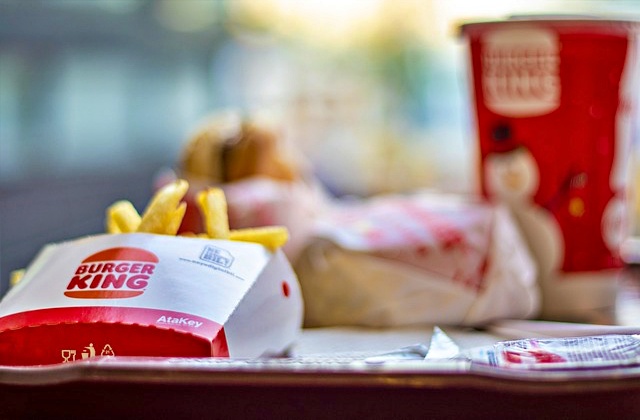
Burger King is reducing the serving portion of some food items, and inflation has been blamed for the move. The fast-food chain’s parent company in the United States, Carrols Restaurant Group Inc., announced the change in portion sizes this week.
After removing Burger King’s famous Whopper burger from its value meal option earlier this month, Carrols said it was also forced to cut the serving size of BK’s chicken nuggets. The restaurant company explained the decision was made due to the increasing cost of beef and wages, as per Bloomberg.
Prices of beef have gone up 33% in the fourth quarter compared to the previous year. This price hike is a big deal for Carrols Restaurant Group, which owns more than 1,000 Burger King stores across the country because this meat makes up 25% of its commodity purchases.
“Domestic food, paper producers and distributors supplying most of our commodities are dealing with labor constraints along with higher fuel costs and are passing these increases on to us,” Dan Accordino, Carrol’s chief executive officer, said during Thursday’s (Feb. 24) earnings call.
The chief added that they believe the cost of labor will also continuously increase throughout the year. Because of this, the company has no choice but to implement price increases for its menu. Accordino said that it is likely that Carrols will hike rates again this year.
Aside from raising menu prices, the company said revealed that it will also reduce the number of chicken nuggets in Burger King meals in an effort to fight inflation. Customers can expect to see their nuggets down to eight pieces from 10.
Labor inflation is another problem that Carrols Restaurant Group is facing as it previously raised the average hourly wages by 14% year-over-year. The wage hike was implemented to maintain the Burger King stores’ open hours from 6 a.m. to 11 p.m. This is also an effort to retain staff as there is also an ongoing labor shortage.
“As you may have recently read, the Burger King brand has about a dozen menu and promotional initiatives, some of which have already been implemented and some that will be implemented over the course of this year,” Market Watch quoted Accordino in another report. “We also intend to continue to move pricing to partially offset inflation to the extent possible without impacting traffic.”







