


 First Western Ship Transits Strait of Hormuz Since Iran War Began
  Samsung Electronics Posts Eightfold Profit Surge Driven by AI Chip Demand
  MATCH Act Targets ASML and Chinese Chipmakers in New U.S. Export Crackdown
  Microsoft Eyes $7B Texas Energy Deal to Power AI Data Centers
  China's Push to Steal Taiwan's Chip Technology and Talent Raises Security Alarms
  LG Electronics Posts Record Q1 Revenue Amid Strong Demand and Cost Improvements
  Deere & Company Agrees to $99 Million Settlement Over Right-to-Repair Dispute
  Nanya Technology Shares Surge 10% After $2.5 Billion Private Placement from Sandisk and Cisco
  Paramount Skydance Secures $24B from Gulf Sovereign Wealth Funds for Warner Bros. Discovery Takeover
  TSMC Japan's Second Fab to Produce 3nm Chips by 2028
  Fonterra Admits Anchor Butter "Grass-Fed" Label Misled Consumers After Greenpeace Lawsuit
  SpaceX Eyes Historic IPO at $1.75 Trillion Valuation
  SMIC Allegedly Supplies Chipmaking Tools to Iran's Military, U.S. Officials Warn
  Tesla Q1 2026 Deliveries Miss Estimates as AI Strategy Takes Center Stage
  NASA Artemis II: First Crewed Moon Mission Since Apollo Takes Four Astronauts on 10-Day Lunar Journey
  Norma Group Posts Revenue Decline in 2025, Eyes Modest Recovery in 2026
  Private Credit Under Pressure: Is a Slow-Motion Crisis Unfolding?


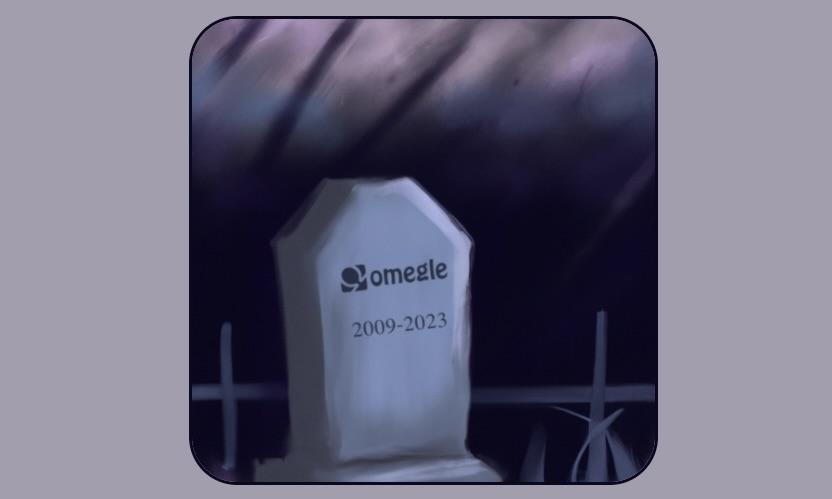
Today marks the end of a unique chapter in the story of internet socializing, as Omegle, the website that connected random strangers in chat rooms, has ceased operations. Leif K-Brooks, who created Omegle at just 18 years old, shared a heartfelt message with the community, recounting his journey and the reasons behind the shutdown.
For K-Brooks, the internet was always a wondrous place, offering a vast, vibrant world beyond the confines of his small-town upbringing. Online, he found a space where engaging in deep conversations and contributing to various projects was possible without the constraints of physical interaction—something particularly meaningful to him as a survivor of childhood trauma. This sense of safety and possibility inspired the creation of Omegle, aiming to bring a slice of that "global village" feel to everyone willing to meet someone new.
Struggles with Criminal and Malicious Activities
Despite its noble intentions and robust safety measures, including anonymity and extensive moderation, Omegle faced challenges. The darker side of online anonymity revealed itself through misuse and heinous crimes, something K-Brooks acknowledges candidly. Yet, Omegle also played a role in combatting these evils, working with law enforcement to bring perpetrators to justice.
In recent times, the increasing hostility in the world and relentless attacks on communication platforms have taken a toll on Omegle. K-Brooks expressed his concerns over the impact of such negativity on the freedom and joy the internet once promised. He stands firm on the belief that society should not impose restrictions that harm the innocent, paralleling the idea of curtailing freedoms due to the actions of a few to a societal surrender to fear.
Omegle Says Goodbye
According to Times Now, K-Brooks has decided to close Omegle, as the personal and financial burdens have become unsustainable. He warns of a grim future where the internet might lose its essence of active engagement and connection, becoming a mere vessel for passive consumption.
K-Brooks concludes with gratitude for those who used Omegle positively and contributed to its growth, expressing his regret that he could not continue the fight.
Cover Image: omegle.com







