


 Toyota’s Surprise CEO Change Signals Strategic Shift Amid Global Auto Turmoil
  Uber Ordered to Pay $8.5 Million in Bellwether Sexual Assault Lawsuit
  Prudential Financial Reports Higher Q4 Profit on Strong Underwriting and Investment Gains
  Nvidia Nears $20 Billion OpenAI Investment as AI Funding Race Intensifies
  SpaceX Pushes for Early Stock Index Inclusion Ahead of Potential Record-Breaking IPO
  Tencent Shares Slide After WeChat Restricts YuanBao AI Promotional Links
  Elon Musk’s SpaceX Acquires xAI in Historic Deal Uniting Space and Artificial Intelligence
  TrumpRx Website Launches to Offer Discounted Prescription Drugs for Cash-Paying Americans
  Panama Supreme Court Voids Hong Kong Firm’s Panama Canal Port Contracts Over Constitutional Violations
  Global PC Makers Eye Chinese Memory Chip Suppliers Amid Ongoing Supply Crunch
  Ford and Geely Explore Strategic Manufacturing Partnership in Europe
  California Sues Trump Administration Over Federal Authority on Sable Offshore Pipelines
  Sam Altman Reaffirms OpenAI’s Long-Term Commitment to NVIDIA Amid Chip Report
  TSMC Eyes 3nm Chip Production in Japan with $17 Billion Kumamoto Investment
  Nvidia Confirms Major OpenAI Investment Amid AI Funding Race
  Federal Judge Signals Possible Dismissal of xAI Lawsuit Against OpenAI


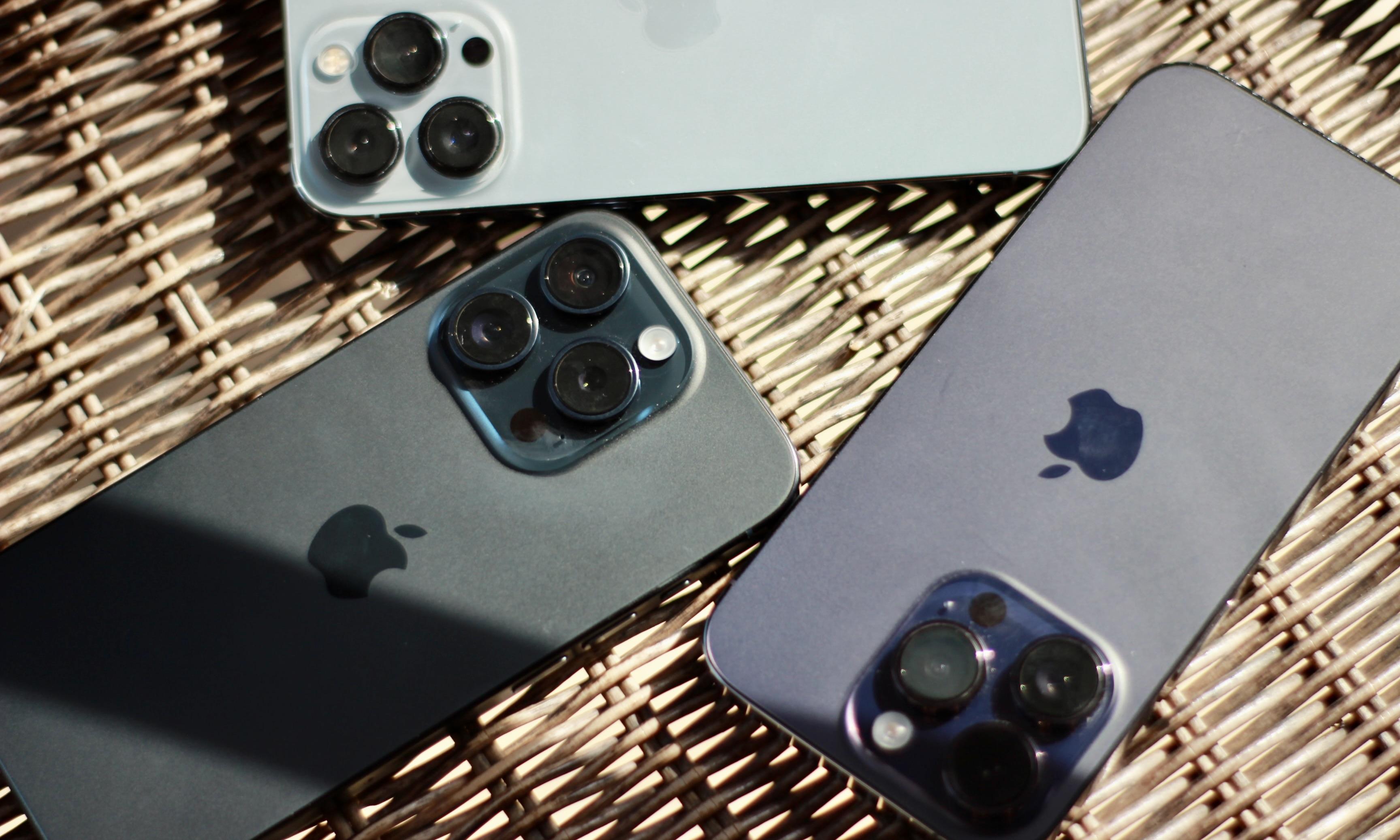
Apple Inc faced a setback on Wednesday as it failed to block a massive lawsuit in London. The lawsuit alleges that the tech giant concealed defective batteries in millions of iPhones.
The case, worth up to $2 billion, was brought by British consumer champion Justin Gutmann on behalf of approximately 24 million iPhone users in the United Kingdom. This legal battle seeks damages of up to 1.6 billion pounds ($1.9 billion) plus interest. However, Apple refuted the claims, stating they were baseless, according to Reuters.
Concealed Issues and Throttled Performance
According to Gutmann's lawyers, Apple resorted to concealing battery issues in certain iPhone models. They alleged that the company deliberately "throttled" performance through software updates and installed a power management tool to limit performance.
Despite Apple's denial of defective batteries, except for a few iPhone 6s models, where they offered free battery replacements, the Competition Appeal Tribunal (CAT) ruled in favor of Gutmann's case.
The CAT acknowledged "a lack of clarity and specificity" in Gutmann's case that needs resolution before proceeding to trial. The court also raised concerns about Gutmann's litigation funding arrangements following a recent Supreme Court ruling that rendered many such agreements unlawful.
These issues, however, did not hinder the CAT's decision to allow the case to proceed, marking a significant step towards consumer justice, as Gutmann declared.
Apple's Denial and Continuing Litigation
Yahoo reported that an Apple spokesperson reiterated their previous statement, expressing that they have never intentionally shortened the life of any Apple product or degraded the user experience to drive customer upgrades.
The CAT's emphasis on resolving litigation funding arrangements reflects the recent Supreme Court ruling that has prompted a reevaluation of such agreements. This signifies evolving changes in the legal landscape and the need to ensure fair and just proceedings for all parties involved.
The certification of Gutmann's case joins a growing list of high-value mass lawsuits in London's courts. This trend emerged following the approval of claims against major banks for foreign exchange rigging. As more consumers seek justice against alleged corporate misconduct, the expertise of London's legal system is being widely utilized.
Apple's strong denial and defense against the lawsuit highlights the potential implications for the tech industry. The outcome of this case could impact how companies address product issues and communicate with their user base. The resolution of this legal battle may significantly influence consumer trust and confidence.
Photo: Sophia Stark/Unsplash













