


 Microsoft's $10 Billion Japan Investment: AI Infrastructure and Data Sovereignty Push
  Hegseth Warns of Heaviest Strikes Yet as Trump Issues Iran Ultimatum Over Nuclear Deal
  Rubio Directs U.S. Diplomats to Use X and Military Psyops to Counter Foreign Propaganda
  Australia's Social Media Ban for Under-16s Sparks Global Movement
  Samsung Electronics Eyes Record Q1 Profit Amid AI-Driven Chip Boom
  NASA Artemis II: First Crewed Moon Mission Since Apollo Takes Four Astronauts on 10-Day Lunar Journey
  NASA's Artemis II Crew Arrives in Florida for Historic Moon Mission
  Britain Courts Anthropic Amid US Defense Department Dispute
  Elon Musk Ties SpaceX IPO Access to Mandatory Grok AI Subscriptions
  MATCH Act Targets ASML and Chinese Chipmakers in New U.S. Export Crackdown
  Trump Issues Deadline for Iran to Reopen Strait of Hormuz Amid Escalating Conflict
  Taiwan Opposition Leader's China Visit: A Peace Mission Amid Rising Tensions
  Indonesia Files Genocide Case Against Myanmar's Min Aung Hlaing Over Rohingya Crisis
  Trump Endorses Steve Hilton for California Governor
  U.S. and Iran Edge Toward Potential 45-Day Ceasefire Amid Escalating Tensions
  Ukrainian Drone Strikes Hit Novorossiysk, Injuring Eight and Cutting Power Across Russia


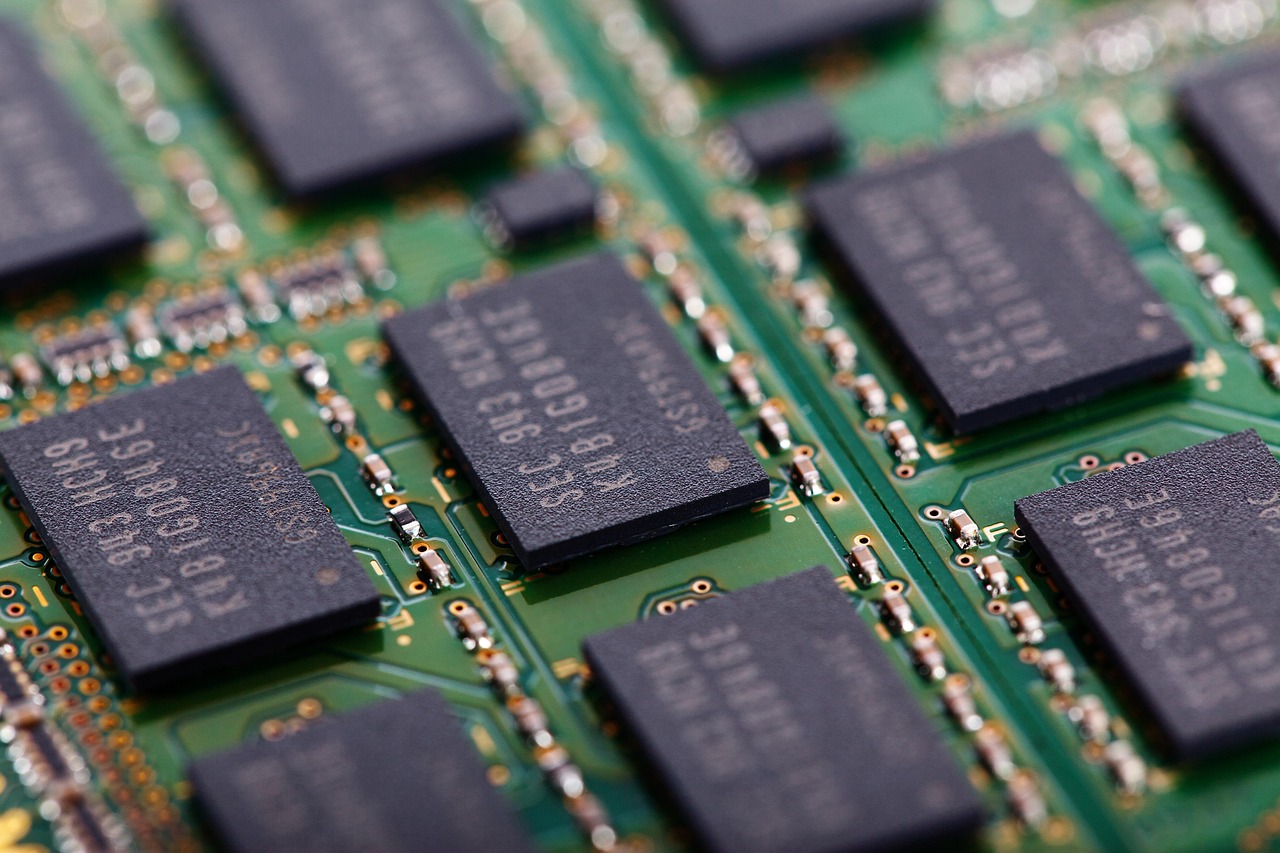
Taiwan's National Security Bureau has raised serious concerns about Beijing's escalating efforts to infiltrate the island's world-class semiconductor industry. According to a report submitted to Taiwanese lawmakers, China is aggressively targeting Taiwan's advanced chip manufacturing expertise and artificial intelligence talent as part of a broader strategy to break free from international technology restrictions.
As the U.S.-China tech rivalry intensifies, Beijing has ramped up covert operations to poach skilled workers and acquire cutting-edge technologies through indirect and illegal channels. Taiwan, which strictly prohibits the transfer of advanced technologies to China, has repeatedly uncovered networks of Chinese companies attempting to circumvent these laws. China's goal, authorities say, is to secure access to Taiwan's most advanced semiconductor processes — capabilities critical to its ambition of achieving self-reliance in chip production.
Taiwan is home to TSMC, the world's leading contract chipmaker and a vital supplier to global tech giants such as Nvidia and Apple. Control over or access to TSMC's manufacturing know-how would represent a massive strategic advantage for Beijing, which continues to face tightening export controls from the United States and its allies.
Beyond economic espionage, Taiwan's security agency warned that China is expected to deploy hybrid interference tactics ahead of the island's year-end local elections. These include the use of deepfakes and manipulated opinion polls designed to sway public sentiment. In the first quarter alone, Taiwan's Government Service Network recorded over 170 million cyberattack attempts, with officials warning that data theft and surveillance operations may be laying the groundwork for broader electoral meddling.
Military pressure has also mounted, with more than 420 Chinese aircraft detected near Taiwan during the same period, often operating alongside naval vessels conducting joint combat readiness patrols. Despite growing domestic economic challenges and geopolitical headwinds, Beijing shows no signs of easing its hybrid campaign against Taiwan, whose government firmly rejects Chinese sovereignty claims and insists that only its own people can determine the island's future.







