


 Japan Private-Sector Growth Slows as Domestic Demand Weakens
  Canadian Dollar Faces Pressure as Fed-BoC Policy Gap Widens
  US Stock Futures Fall as Treasury Yields Surge Ahead of Trump-Xi Summit
  US 10-Year Treasury Yield at 6% Emerges as New Market Risk Threshold
  Soybean Futures Slip as Traders Await Trump-Xi Trade Signals
  Japanese Bank Stocks Surge as Bond Yields Fuel Rate Hike Bets
  US Comfortable With Canada Trade Standoff as Import Bans Loom
  Oil Prices Fall on U.S.-Iran Hormuz Deal Hopes
  Australia Unemployment Hits Five-Year High Despite Strong Jobs Growth
  RBI Uses $10 Billion Currency Swaps to Drain Excess Rupee Liquidity
  China’s ‘Lipstick King’ Says AI Won’t Replace Livestream Hosts
  Wall Street Ends Flat as Oil, Treasury Yields and Fed Jitters Rattle Markets
  Oil Prices Ease as Iran Tensions Clash With Diplomacy Hopes
  Japanese Yen Rebounds as Trump Flags Currency Weakness
  Asian Stocks Fall as Bond Yields Surge Ahead of Trump-Xi Summit
  Dollar Falls as Oil Eases, Yen Jumps on Intervention Signals


 Add as a preferred source on Google
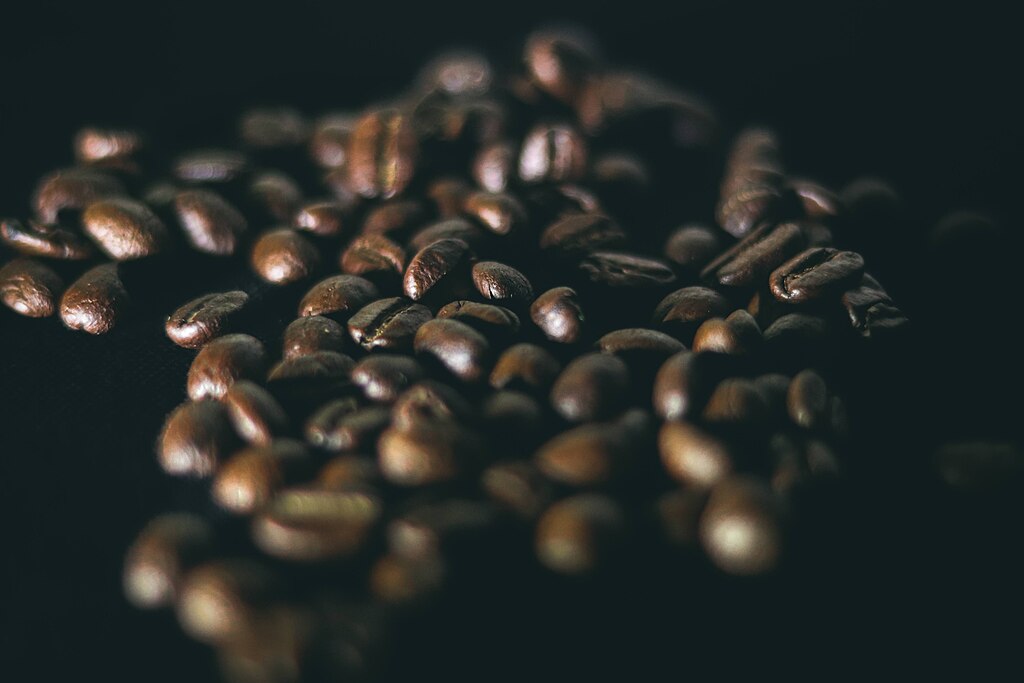
Brazil, the world’s largest coffee producer and the second-largest consumer after the United States, is facing a notable decline in domestic coffee consumption. A bi-annual survey conducted by research institute Axxus, commissioned by Brazil’s coffee industry association Abic, revealed that more Brazilians are cutting back on coffee due to rising prices and economic pressures.
The study, released Monday, surveyed more than 4,000 people across Latin America’s biggest economy. It found that 24% of respondents reduced their coffee intake in 2025—a dramatic jump from just 3% in 2023, 5% in 2021, and 7% in 2019. Meanwhile, only 2% reported increasing their coffee consumption this year, compared with 16% in 2023, 49% in 2021, and 36% in 2019.
High global coffee prices have played a major role in this shift. Earlier in 2025, coffee prices hit record highs amid supply challenges in top producing countries like Brazil and Vietnam. Domestically, coffee has also ranked among the food and beverage items that have risen the most within Brazil’s official inflation index (IPCA) over the past two years.
The survey also highlighted changes in drinking habits. The percentage of Brazilians who consume more than six cups of coffee per day dropped to 26% in 2025, down from 29% in the previous edition of the study. Researchers stressed that price sensitivity is becoming a central factor in consumer decisions.
“The survey showed an important drop in the intensity of consumption,” said Sergio Pereira, a coordinator of the study and researcher at the Coffee Center of the Campinas Agronomic Institute. “We also observed a greater weight of price in the purchasing decision.”
As global supply issues and domestic inflation continue to impact consumers, Brazil’s declining coffee consumption underscores how economic pressures are reshaping habits in one of the world’s most coffee-loving nations.







