


 Uber Ordered to Pay $8.5 Million in Bellwether Sexual Assault Lawsuit
  Once Upon a Farm Raises Nearly $198 Million in IPO, Valued at Over $724 Million
  Global PC Makers Eye Chinese Memory Chip Suppliers Amid Ongoing Supply Crunch
  Sony Q3 Profit Jumps on Gaming and Image Sensors, Full-Year Outlook Raised
  Baidu Approves $5 Billion Share Buyback and Plans First-Ever Dividend in 2026
  Amazon Stock Rebounds After Earnings as $200B Capex Plan Sparks AI Spending Debate
  Prudential Financial Reports Higher Q4 Profit on Strong Underwriting and Investment Gains
  Ford and Geely Explore Strategic Manufacturing Partnership in Europe
  CK Hutchison Launches Arbitration After Panama Court Revokes Canal Port Licences
  Instagram Outage Disrupts Thousands of U.S. Users
  TrumpRx Website Launches to Offer Discounted Prescription Drugs for Cash-Paying Americans
  SpaceX Pushes for Early Stock Index Inclusion Ahead of Potential Record-Breaking IPO
  SoftBank Shares Slide After Arm Earnings Miss Fuels Tech Stock Sell-Off
  Anthropic Eyes $350 Billion Valuation as AI Funding and Share Sale Accelerate
  Nintendo Shares Slide After Earnings Miss Raises Switch 2 Margin Concerns
  Missouri Judge Dismisses Lawsuit Challenging Starbucks’ Diversity and Inclusion Policies
  Nvidia Nears $20 Billion OpenAI Investment as AI Funding Race Intensifies


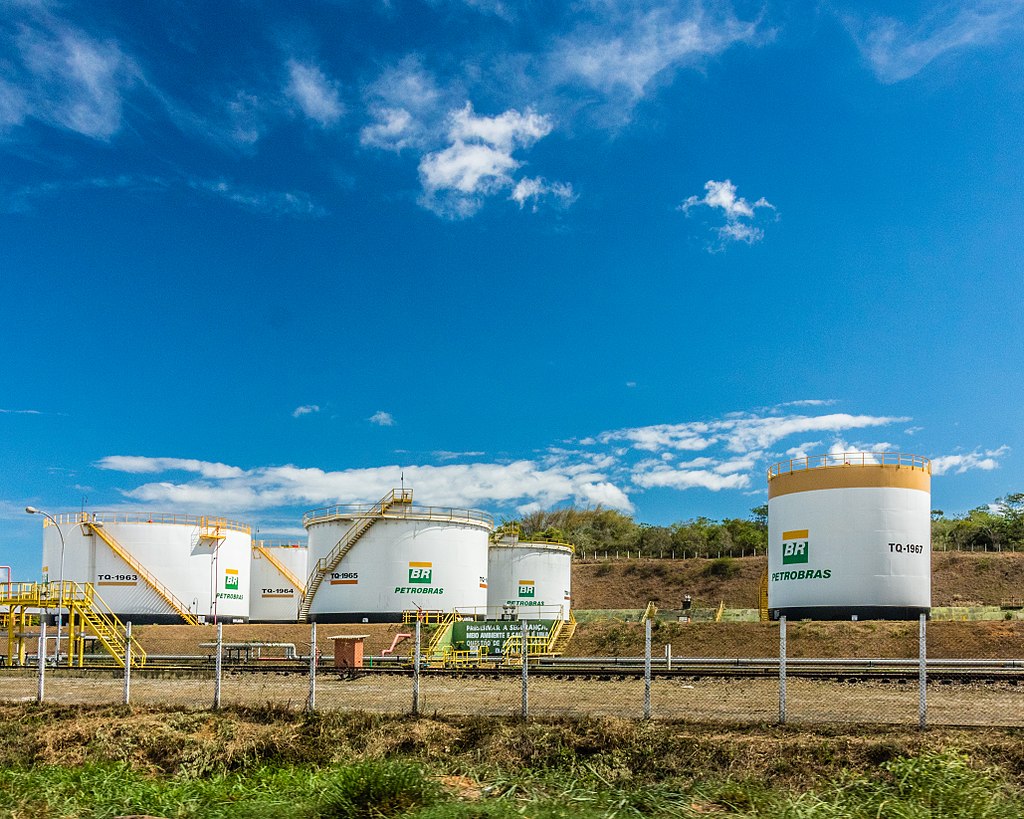
A major Brazilian oil workers’ strike is set to continue after Sindipetro-NF, one of the largest unions representing employees of state-run oil company Petrobras, rejected the company’s latest proposal to end the labor action. The strike, which has already lasted 12 days, highlights ongoing tensions between Petrobras and its workforce over pension-related disputes and labor conditions.
Sindipetro-NF represents around 25,000 oil industry workers, including a significant number employed on Petrobras’ offshore oil platforms in the Campos Basin. The Campos Basin is Brazil’s second-largest oil-producing region, making the union’s stance particularly important for the country’s energy sector. In a statement released on Friday, Sindipetro-NF confirmed it had voted against the proposal presented by Petrobras, despite other unions showing willingness to end the strike.
Petrobras stated that the strike has not yet affected oil and gas production. According to the company, contingency crews have been deployed to maintain operations and ensure output remains stable. This has allowed Petrobras to continue meeting production targets even as labor unrest persists across parts of its operations.
Sindipetro-NF is the largest union affiliated with FUP, the main umbrella organization representing oil workers in Brazil. Although FUP’s board approved Petrobras’ proposal, the final decision required approval from individual unions and their members. While all other 13 unions under FUP voted to accept the deal and end the strike, Sindipetro-NF’s rejection means protests will continue at some Petrobras facilities.
Not all unions representing Petrobras workers are part of FUP. Another umbrella organization, FNP, has also taken a firm stance by voting to continue the strike and advising its affiliated unions to do the same. This division among labor groups increases the likelihood of a prolonged dispute.
Sources familiar with the situation told Reuters that the conflict could drag on, as it involves complex issues related to Petrobras’ pension funds and deductions applied to payments made to pensioners. These long-standing concerns have been a key driver behind the strike, raising uncertainty for Petrobras, its workers, and Brazil’s broader oil and energy industry.













