


 Dollar Falls as Oil Eases, Yen Jumps on Intervention Signals
  Canadian Dollar Faces Pressure as Fed-BoC Policy Gap Widens
  Oil Prices Jump 3% as Houthi Attack Revives Supply Fears
  European Stocks Fall as Bond Yields and Geopolitical Risks Weigh
  US Stock Futures Fall as Treasury Yields Surge Ahead of Trump-Xi Summit
  Dollar Holds Near Two-Month High as Yen Approaches 160
  ECB May Stop Rate Hikes After December, Capital Economics Says
  Trump to Ease U.S. Fuel-Economy Standards
  UK PM Burnham to Unveil Economic Vision at Labour Conference
  China Agrees to Buy 20 Million Tons of U.S. Coal
  Australia Unemployment Hits Five-Year High Despite Strong Jobs Growth
  China Consumer Stocks Near Decade Lows as AI Shares Surge
  Fed’s Hammack Says Bond Yield Surge Is Not Driven by Inflation Fears
  U.S. Dollar Hits Two-Month High as Oil, Treasury Yields Surge
  US Comfortable With Canada Trade Standoff as Import Bans Loom
  Gold Prices Fall as Treasury Yields Rise on Fed Rate Hike Bets
  Japanese Yen Rebounds as Trump Flags Currency Weakness


 Add as a preferred source on Google
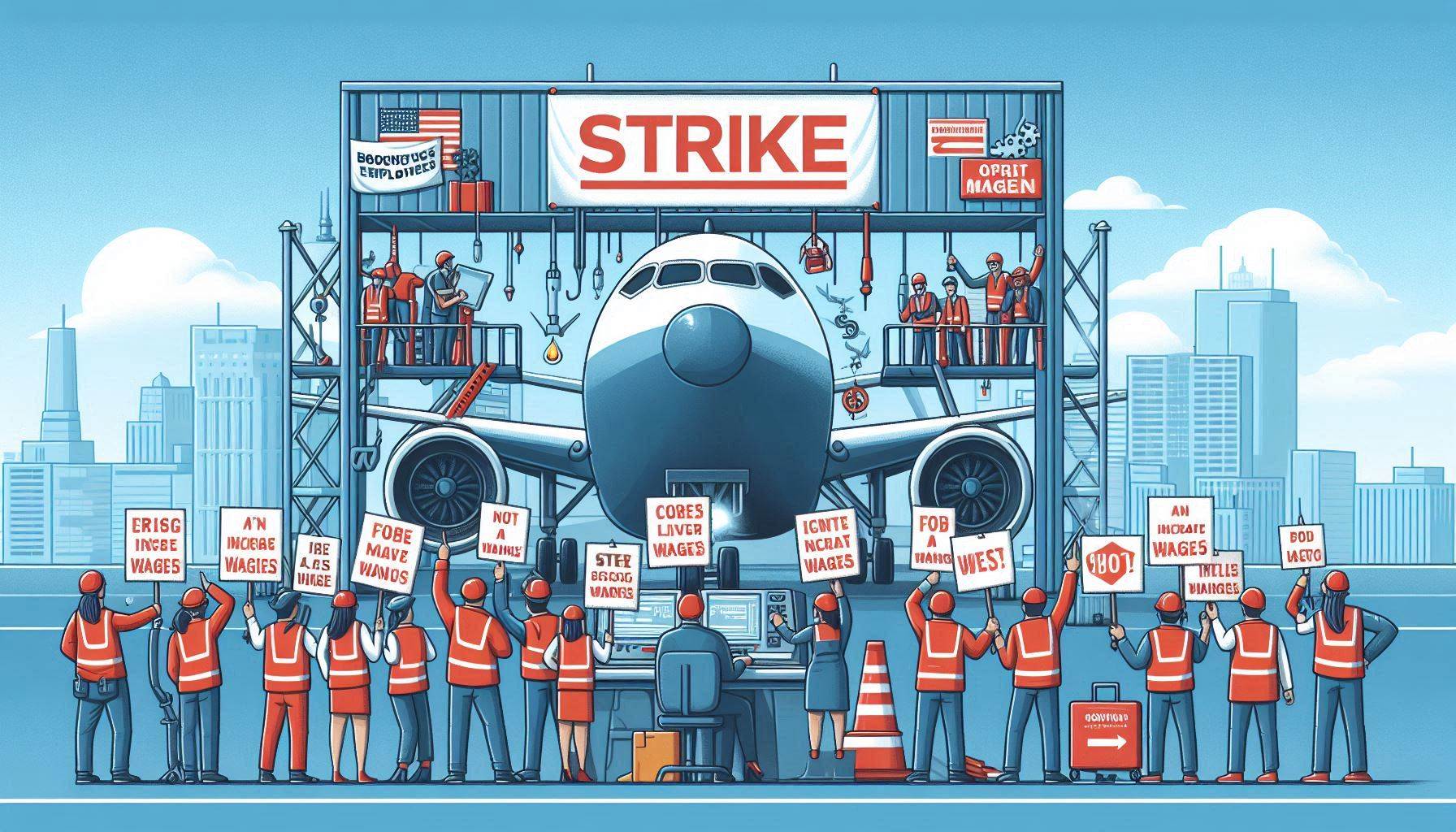
Boeing Workers Continue Strike Following Contract Rejection
Boeing factory workers voted decisively against a proposed contract on Wednesday, rejecting the offer by 64%. This decision prolongs a strike that began over five weeks ago and presents a significant challenge for new CEO Kelly Ortberg, who aimed to improve relations with employees.
The contract included a 35% wage increase over four years but failed to meet the union's demands, which included a 40% pay rise and the reinstatement of a defined-benefit pension. This rejection comes after 95% of workers previously voted against an initial contract, highlighting ongoing frustrations stemming from past negotiations that workers felt were unfair.
Union leaders are eager to resume negotiations, with the last significant talks occurring in 2014. The workers have expressed anger over stagnant wages that have not kept pace with inflation while Boeing spent billions on stock buybacks and executive bonuses.
Jon Holden, the union's chief negotiator, stressed the need for renewed discussions, stating, "Boeing needs to come to the table as well." The strike, which halted production of major aircraft models like the 737 MAX and 777, threatens Boeing’s position as a leading U.S. exporter, particularly as it faces a challenging political environment with the upcoming presidential election on November 5.
If the strike continues, suppliers like Spirit AeroSystems could face layoffs. Analysts warn that the prolonged labor dispute may worsen Boeing's already precarious financial situation, as the company seeks to raise $15 billion to stabilize its credit rating.
Richard Aboulafia of AeroDynamic Advisory described this moment as critical for Ortberg, stating, "They've got to get this done, and they're in a position of weakness."







