


 Nike CFO Shake-Up Fuels Concerns Over Turnaround Strategy
  Ryan Cohen Rejects GameStop Pay Package, Prepares New eBay Acquisition Plan
  US-Iran De-Escalation Shifts Washington’s Focus to AI Regulation and Crypto Legislation
  SK Hynix Moves Closer to New York ADR Listing Amid AI Chip Boom
  Trump Orders DOJ Investigation Into Exxon, Chevron Over High Gas Prices
  China Adds MP Materials, USA Rare Earth to Export Control List Amid Escalating U.S.-China Trade Tensions
  US Waives Iran Sanctions for 60 Days as Peace Talks Advance and Lebanon Sees Calm
  Micron Stock Surges on Strong AI Demand, Record Revenue, and Bullish Q4 Forecast
  Samsung Electronics Stock Surges on Report of Massive $59 Billion Share Buyback Plan
  SEC Tokenized Stock Approval Still Expected as Regulatory Framework Advances
  SpaceX Stock Rebounds After Sharp Selloff, But Valuation Concerns Persist
  Alphabet Replaces Verizon in Dow Jones Industrial Average
  Bain Capital Nears Deal for Majority Stake in Volkswagen Marine Engine Unit Everllence
  US House Approves $70 Billion Immigration Enforcement Funding Bill, Ending Congressional Deadlock
  Los Angeles World Cup Security Plans: No ICE Immigration Enforcement at FIFA 2026 Matches, Officials Say
  NHTSA Investigates Fatal Tesla Model 3 Crash in Texas Amid Ongoing Autopilot and FSD Safety Scrutiny
  Australia Eases Capital Gains Tax Reforms to Support Small Businesses and Startups


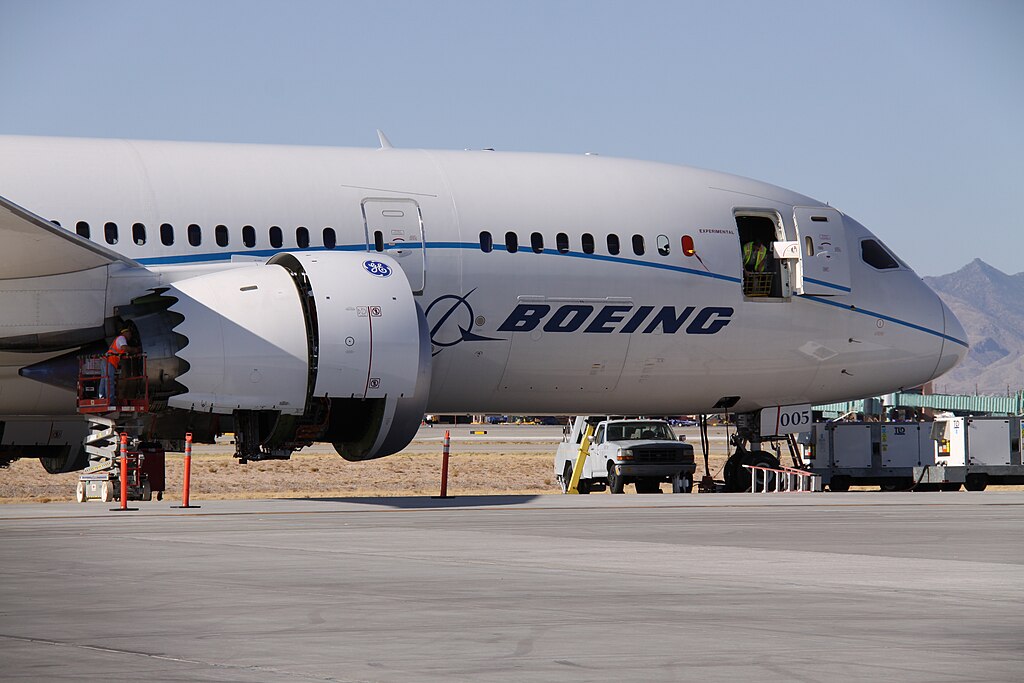
The U.S. Federal Aviation Administration (FAA) has approved Boeing’s 737 MAX 10, the largest variant of its best-selling single-aisle aircraft family, to advance to the second phase of flight testing, marking a significant step forward in the jet’s long-delayed certification process. The development, confirmed by a source familiar with the program, comes as Boeing works to regain momentum amid regulatory scrutiny and production challenges. Both Boeing and the FAA declined to comment publicly on the approval.
Boeing executives have repeatedly stated that they expect certification of both the 737 MAX 7 and MAX 10 to be completed this year. The MAX 10, in particular, is viewed as critical to the company’s financial recovery, with more than 1,200 aircraft orders currently in Boeing’s backlog, according to aviation analytics firm Cirium. Industry analysts widely agree that beginning deliveries of the MAX 10 is essential for boosting Boeing’s revenue and cash flow.
The certification process for the MAX 7 and MAX 10 has faced repeated delays due to an unresolved engine deicing issue. While the FAA has now cleared the MAX 10 to enter phase two of flight testing—covering avionics, propulsion systems, and other design elements—the deicing problem remains unresolved. Notably, the FAA’s latest approval does not apply to the smaller MAX 7 variant.
These delays come as Boeing also struggles with the prolonged certification of its widebody 777X jet. However, there has been some recent progress on the production front. In October, the FAA approved Boeing’s request to increase 737 MAX production to 42 aircraft per month, lifting a cap of 38 planes that had been in place since January 2024.
The 737 MAX 10 competes directly with Airbus’ A321neo, and prolonged delays risk further erosion of Boeing’s market share. Despite this, confidence remains among some customers. This week, Alaska Airlines placed an order for 105 MAX 10 aircraft, with CEO Ben Minicucci expressing optimism that certification will be achieved within the year.
While analysts caution that FAA approval for testing is not the same as certification, the move is seen as meaningful progress. Until certification is finalized, however, Boeing cannot begin full-scale production of the MAX 10 at its Everett, Washington facility, underscoring the high stakes tied to the program’s timeline.







