


 Japan Signals Preference for Low Interest Rates as BOJ Policy Debate Intensifies
  BOJ Hawk Signals Faster Interest Rate Hikes Amid Inflation Risks
  FxWirePro: Daily Commodity Tracker - 21st March, 2022
  Fed Chair Kevin Warsh Signals Policy Overhaul as Hawkish Rate Outlook Rattles Markets
  China Sets 1.25% Overnight Reverse Repo Rate Below Market Expectations
  Japan Signals Surprise Yen Intervention Strategy as BOJ Hawkish Stance Puts FX Traders on Alert
  BOJ Raises Interest Rates to 1% as Inflation Pressures Persist


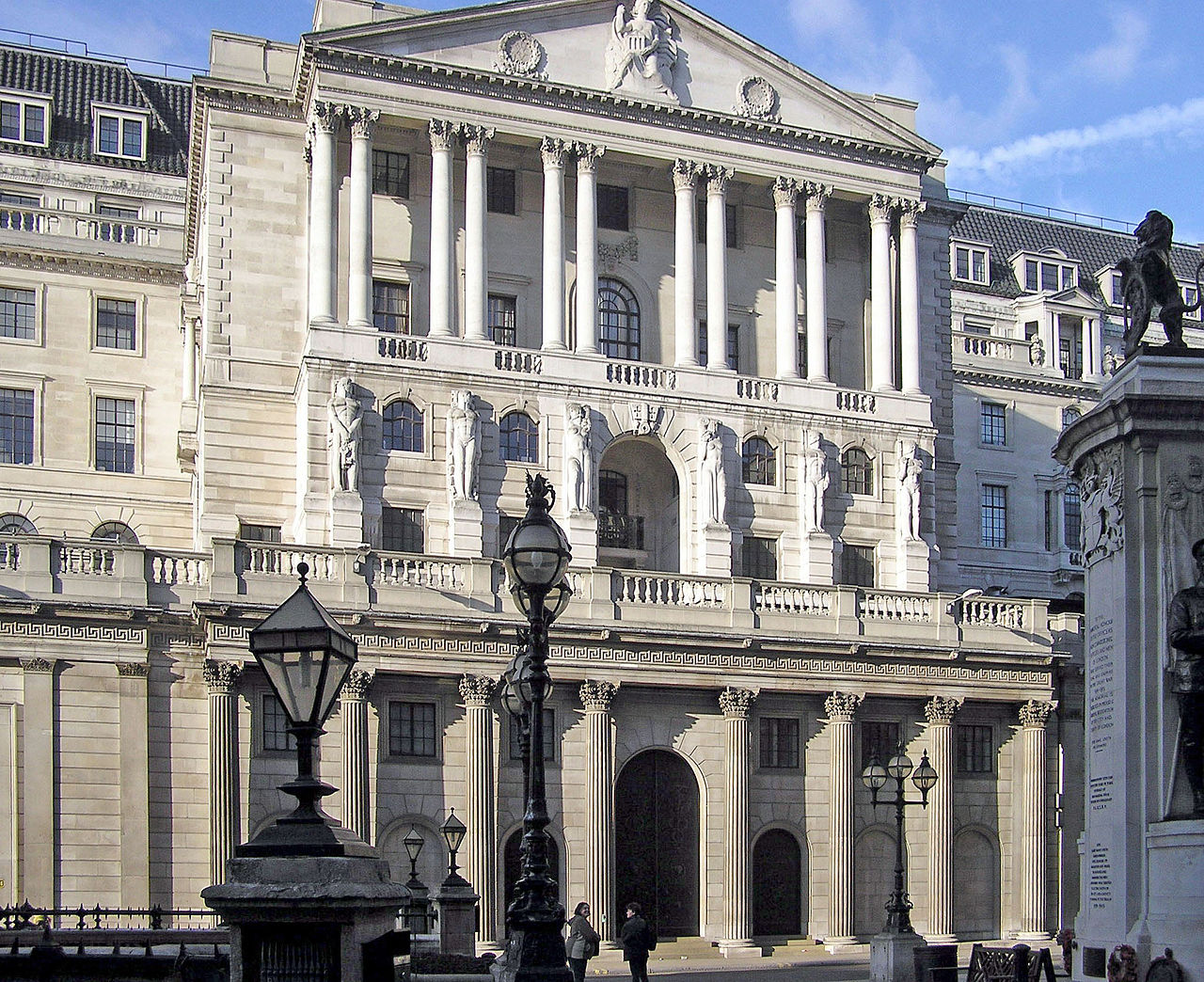
The world looks a more worrying and worried place. The BoE will have to recognise that, which could give a more dovish feel to Thursday's BoE policy meeting minutes. There is no need for the BoE to sound hawkish right now. Indeed, their job is to show they are data dependent.
That is about tactics though; about bigger downside risks and fewer near-term pressures. A rate hike is expected in next February. The BoE will probably highlight that a modest downgrade of world growth will shift UK growth prospects only a little, even if the potential downside risks have risen and warrant additional caution. That should temper the dovish feel. Sterling's slide could boost prospective price pressures, though for the BoE that probably just partially offsets what would otherwise be downside news from world price pressures.
Fundamentally, unemployment has fallen close to pre-crisis levels, wage growth has picked up and the UK's real Achilles heel, productivity, now seems less of an issue. In short, the UK recovery is more firmly grounded than it was a few years ago, which drives, in particular, Mark Carney's more hawkish tone recently. Given the wobbles, Ian McCafferty is likely to remain the lone voice voting rate hikes for at least a couple more months. But that does not pose a problem for the February call and does not suggest the BoE will have to delay hikes until next August, which is the current market view.

- News

- Economy

- Central Banks
- Investing
- Research
- Roundups
- Digital Currency
- Insights
- Technical Analysis
- Technology
- Business
- Law
- Health
- Nature
- Fintech
- Science
- Topic
- Opinions
- ©Econometrics LLC . All Rights Reserved.
BoE to sound slightly more dovish
Wednesday, September 9, 2015 8:53 PM UTC
Editor's Picks



- Market Data
Most Popular




