Blockchain-based lending is making a strong comeback this year, fueled by a remarkable 128% surge in active tokenized private credit value. Currently, at $582 million, this figure reflects a significant increase from the previous year.
Cointelegraph noted that while still a distance away from its peak of $1.5 billion in June 2022, the resurgence indicates a growing interest in blockchain-based alternatives among borrowers in light of rising interest rates.
Competitive Rates and Resilient Growth
According to data from RWA.xyz, a real-world asset loan tracker, the current average percentage rate for blockchain-based credit protocols is 9.64%. In contrast, traditional financiers are offering interest rates between 5.75% and 11.91% for small business bank loans, as reported by NerdWallet. These competitive rates highlight the appeal of blockchain-based loans, as per ADVFN.
The market's robust growth is evident, with RWA.xyz tracking $4.5 billion in blockchain-based loans across 1,804 deals. This translates to an average loan size of approximately $2.5 million.
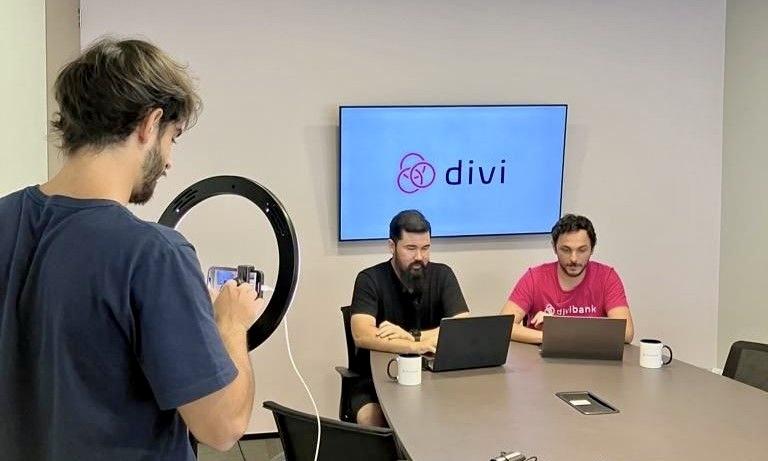
Fasanara Capital, a United Kingdom-based asset management firm, has emerged as one of the noteworthy loan-seekers in recent times. The company secured a $38.3 million loan from Clearpool at an attractive sub-7% base APY. Divibank, a Brazilian bank, is another financial institution actively participating in the blockchain-based lending market.
Dominance of Ethereum-based Centrifuge and Other Leading Protocols
Ethereum-based Centrifuge stands at the forefront of the active loans market, commanding over 43% with $255 million in loans. This represents an impressive 203% surge compared to the $84 million recorded at the start of 2023. Following Centrifuge, Goldfinch and Maple are the second and third largest blockchain credit protocols, with $143 million and $103 million in active loans, respectively.
Stablecoins pegged to the United States dollar are crucial in facilitating these loans. Tether (USDT), USD Coin (USDC), and Dai (DAI) are among the primary cryptocurrencies utilized in the process. These stablecoins offer stability and help streamline transactions within the blockchain-based lending ecosystem.
Prominent Sectors and Risk Considerations
Consumer and automotive sectors lead the way as the largest borrowers in the blockchain-based loan market, with $197.7 million and $186.8 million, respectively. Fintech, real estate, carbon credit, and cryptocurrency trading sectors also demonstrate strong involvement.
However, when considering loans from blockchain-based protocols, borrowers must exercise caution and carefully evaluate risks associated with insolvency, collateralization, smart contract implementation, and other security concerns.
Despite the recent growth, the $506 million active loan market constitutes only 0.3% of the traditional private credit market, valued at $1.6 trillion.
Photo: Divibank LinkedIn Page