


 Novartis Shares Plunge After Muscle Drug Fails Phase III Trial
  AstraZeneca, Bristol Myers Squibb Explore Mega Merger Worth Nearly $400 Billion
  US-Backed Pediatric HIV Treatment Drops After Foreign Aid Changes, Study Finds
  Moderna Wins FDA Approval for mFLUSIVA mRNA Flu Vaccine for Adults 50+
  France Keeps Top Health Alert as Officials Brace for Another Heatwave
  Hims & Hers Shares Fall as GLP-1 Costs Widen Q2 Loss
  Hanmi Pharm Soars 30% on $2.3 Billion Genentech Obesity Drug Deal
  Novo Nordisk Eyes Turnaround as Oral Wegovy Challenges Eli Lilly in Weight-Loss Drug Race
  FDA Weighs Safety Standards for Psychedelic Therapies
  Novo Nordisk Raises 2025 Outlook Despite Wegovy Pill Miss and CagriSema Setback
  Trump Signs Order to Cut Routine Childhood Vaccines
  Trump Administration Bars U.S. Travelers From Congo Flights Amid Ebola Outbreak
  U.S. Issues Cuba Health Alert as Illnesses Rise


 Add as a preferred source on Google
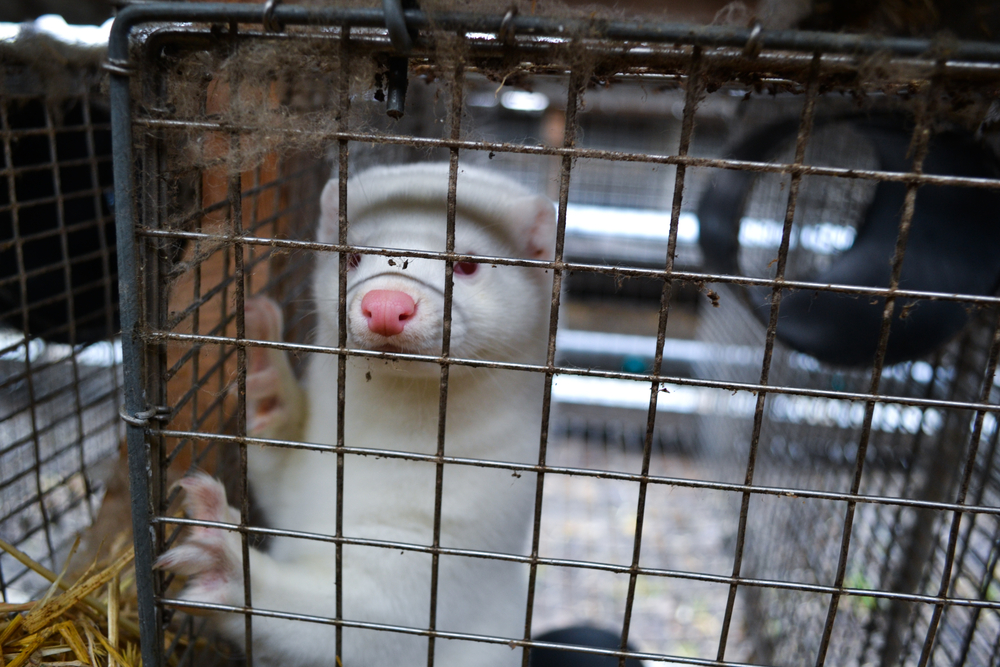

As bird flu continues to decimate poultry and wild bird populations around the world, the virus – a deadly strain called H5N1 – appears to be spreading to mammals. The virus has already been confirmed in foxes and otters in the UK, and more recently in four dead seals.
Bird flu refers to influenza A viruses that mainly infect birds. These viruses naturally circulate in wild waterfowl, usually without causing any symptoms.
But when they spread into poultry, some subtypes of the virus can evolve into forms that are highly infectious and deadly (classified as “highly pathogenic”), and can rapidly spread and kill domestic birds.
The H5N1 virus causing the current outbreak is one such highly pathogenic virus. Since its emergence in 1996, scientists have feared it poses a pandemic threat. The virus has shown a propensity to jump to humans (called “spillover”) with a high mortality rate.
World Health Organization (WHO) figures show that between January 2003 to November 2022, there have been 868 cases of human infection with H5N1, more than half of which were fatal.
The foxes and otters that died were probably exposed to the virus by scavenging infected dead birds. The bodies of these birds have very high amounts of virus. Exposure to such a large dose might explain how the virus was able to overcome the species barrier.
Given that these cases occurred seemingly singly in different locations and times, they are probably dead ends – that is, unlikely to have caused further transmission in mammals. Evidence in the cases of seals in the UK also points to spillover (the virus going from birds to seals) rather than spread (going from seal to seal).
In contrast, the outbreak reported in a Spanish mink farm in October 2022 is more worrying. It is more likely that it spread from mink to mink due to the cramped conditions in which the animals live. Over 50,000 mink had to be euthanised.
Viruses from the mink appear to have acquired several changes in their genes, at least one of which may help it grow better in mammals. How the virus spread to mink is not clear, but it is known that farmed mink are often fed raw poultry. They are also not completely isolated from contact with other animals, such as wild birds.
In the wild, the virus has also recently been implicated in the mass death of sea lions in Peru in seven protected marine areas. And there are reports of the virus killing hundreds of seals in the Caspian Sea, off the coast of Dagestan in Russia. If confirmed, the number of animals involved would suggest mammalian transmission.
All these infections do not mean that a virus capable of causing a pandemic will emerge. But the growing range of the virus gives more opportunities for it to evolve and for humans to come into contact with it.
H5N1 is a long-anticipated threat. Even so, having a clear idea of its evolution will help design more effective vaccines and treatments. Additionally, the virus is already having a devastating effect on wildlife and could spread to further endangered species.
Therefore, surveillance – testing for the virus and sequencing samples from animals and humans at high risk of exposure – is crucial. We also need to consider vaccinations in obvious sources such as poultry and shutting down mink farms entirely.
“Since H5N1 first emerged in 1996, we have only seen rare and non-sustained transmission of H5N1 to and between humans,” Tedros Adhanom Ghebreyesus, director general of the WHO, said in a press briefing last week. “But we cannot assume that will remain the case, and we must prepare for any change in the status quo.”







