


 Wall Street Ends Flat as Oil, Treasury Yields and Fed Jitters Rattle Markets
  Mexico-US Trade Talks Delayed to October as Tariff Negotiations Continue
  US, China Extend Trade Truce to Jan. 10 Ahead of Trump-Xi Summit
  Wall Street Falls as Treasury Yields Surge, Oil Rebounds on Iran Tensions
  Gold Holds Near $4,275 as Rising Treasury Yields Fuel Fed Rate Hike Bets
  Dollar Holds Near Two-Month High as Yen Approaches 160
  RBI Uses $10 Billion Currency Swaps to Drain Excess Rupee Liquidity
  U.S. 10-Year Treasury Yield Hits 2007 High as Fed Rate Hike Bets Rise
  Australia Unemployment Hits Five-Year High Despite Strong Jobs Growth
  China’s ‘Lipstick King’ Says AI Won’t Replace Livestream Hosts
  Russian Envoy Dmitriev Heads to US for Ukraine Talks
  Oil Prices Ease as Iran Tensions Clash With Diplomacy Hopes
  U.S. Treasury Yields Surge as 30-Year Hits 22-Year High
  Asian Stocks Fall as Bond Yields Surge Ahead of Trump-Xi Summit
  Asian Currencies Mixed as Dollar Holds Near Two-Month High
  Fed Unveils Stablecoin Rules Under GENIUS Act
  Trump, Xi Focus on Trade and AI at White House Summit


 Add as a preferred source on Google
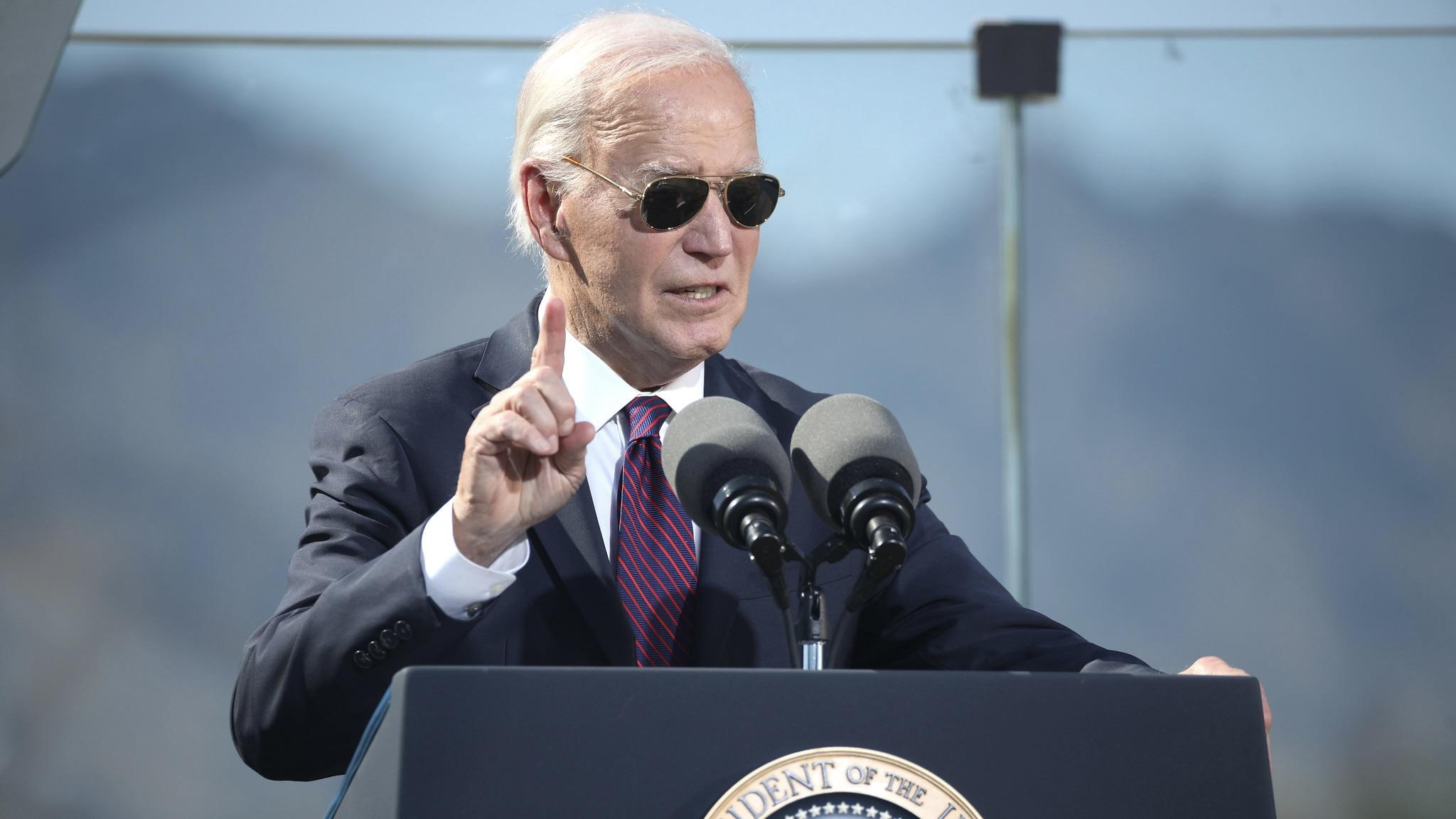
President Joe Biden has rejected Nippon Steel’s $10B bid for U.S. Steel, citing risks to national security and American jobs. The decision, supported by union leaders and lawmakers, ends months of debate over the controversial takeover.
Biden Blocks Nippon Steel's Bid for US Steel
After more than a year of political bickering and discussion, U.S. President Joe Biden has finally decided to end the sale of U.S. Steel to Japan’s Nippon Steel, according to Thursday evening’s Washington Post report.
According to CBS News, Biden is expected to make a decision on the acquisition by Friday. The Committee on Foreign Investment in the US forwarded the final decision to the White House in December.
Security Risks and Worker Layoffs Raise Concerns
Concerned that the deal might jeopardize U.S. steel supplies, Biden and a number of congressmen were strongly against it. Because it might reduce steelmaking capacity in the United States and cause layoffs, the United Steelworkers Union has also fought against the agreement.
Nippon Steel reportedly offered the government veto authority over any choices on domestic steel production in a last-ditch attempt to gain regulatory approval for the deal; this is reportedly followed by Biden's rejection of the proposal, Investing.com shares
US Steel Plans Workforce Training Center in Pennsylvania
The United States Steel Corporation (US Steel) said on Thursday that it would establish a workforce training center in Pennsylvania upon the completion of the takeover of Nippon Steel.
The two corporations reached an agreement in 2023 to integrate their operations, but the process has been repeatedly delayed owing to opposition from both lawmakers and employees.
It was also said that Nippon Steel was rushing to have the contract approved before the inauguration of President Trump in January. Trump had promised to veto the agreement.







