


 Bank of Japan Signals Cautious Path Toward Further Rate Hikes Amid Yen Weakness
  Fed Governor Lisa Cook Warns Inflation Risks Remain as Rates Stay Steady
  Trump Signs Executive Order Threatening 25% Tariffs on Countries Trading With Iran
  RBA Raises Interest Rates by 25 Basis Points as Inflation Pressures Persist
  South Africa Eyes ECB Repo Lines as Inflation Eases and Rate Cuts Loom
  U.S. Stock Futures Slide as Tech Rout Deepens on Amazon Capex Shock
  Gold and Silver Prices Slide as Dollar Strength and Easing Tensions Weigh on Metals
  Singapore Budget 2026 Set for Fiscal Prudence as Growth Remains Resilient
  Thailand Inflation Remains Negative for 10th Straight Month in January
  Jerome Powell Attends Supreme Court Hearing on Trump Effort to Fire Fed Governor, Calling It Historic
  Dollar Near Two-Week High as Stock Rout, AI Concerns and Global Events Drive Market Volatility
  Trump’s Inflation Claims Clash With Voters’ Cost-of-Living Reality
  Bank of England Expected to Hold Interest Rates at 3.75% as Inflation Remains Elevated


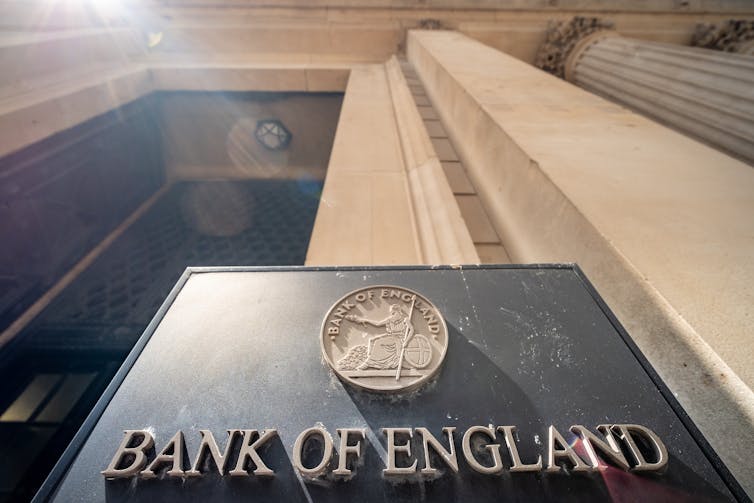
The Bank of England (BoE) is expected to keep its benchmark interest rate at 4.5% on Thursday as it assesses economic risks from U.S. trade tariffs and the UK’s upcoming tax hike for employers. Despite inflation remaining above its 2% target, the BoE has cut rates less aggressively than the Federal Reserve and the European Central Bank, contributing to sluggish economic growth.
In February, the BoE reduced rates to 4.5% but signaled a cautious approach to further cuts, citing economic uncertainties. These concerns have intensified, with U.S. President Donald Trump set to announce new import tariffs on April 2, creating uncertainty in global markets. Meanwhile, a UK social security tax increase takes effect on April 6, potentially driving up prices and slowing hiring.
Chancellor Rachel Reeves’ budget update next week may also influence the BoE’s outlook, as anticipated public spending cuts could impact economic growth. The central bank has projected inflation to reach 3.7% this year, though some economists warn it could hit 4%, putting pressure on wages and consumer spending.
All 61 economists polled by Reuters expect the BoE to hold rates steady this month, with potential cuts in May, August, and November. Financial markets currently predict only two quarter-point reductions this year. In February, the Monetary Policy Committee (MPC) voted 7-2 for a quarter-point cut, with dissenters favoring a larger reduction.
Another factor in the BoE’s decision is Germany’s €500 billion infrastructure and defense investment plan, along with the EU’s €150 billion defense program, which could boost Eurozone growth and indirectly support the UK economy.













