


 China Extends Gold Buying Streak as Reserves Surge Despite Volatile Prices
  BOJ Holds Interest Rates Steady, Upgrades Growth and Inflation Outlook for Japan
  Trump Endorses Japan’s Sanae Takaichi Ahead of Crucial Election Amid Market and China Tensions
  Dow Hits 50,000 as U.S. Stocks Stage Strong Rebound Amid AI Volatility
  South Korea’s Weak Won Struggles as Retail Investors Pour Money Into U.S. Stocks
  Bank of England Expected to Hold Interest Rates at 3.75% as Inflation Remains Elevated
  Federal Reserve Faces Subpoena Delay Amid Investigation Into Chair Jerome Powell
  Silver Prices Plunge in Asian Trade as Dollar Strength Triggers Fresh Precious Metals Sell-Off
  Gold Prices Slide Below $5,000 as Strong Dollar and Central Bank Outlook Weigh on Metals


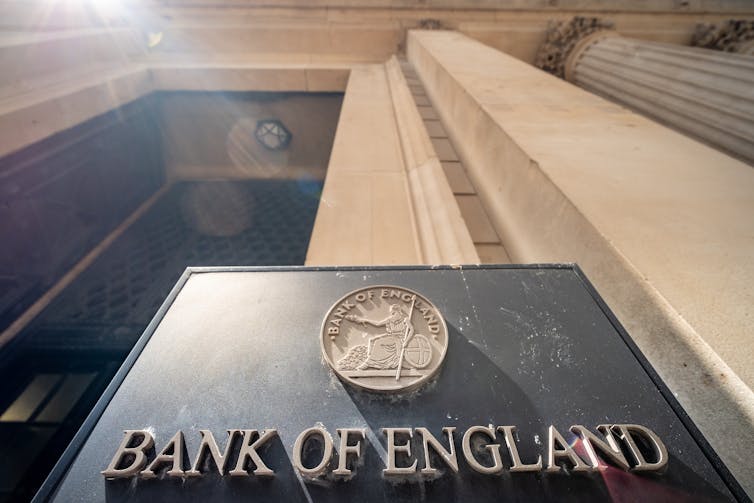
The Bank of England (BoE) is widely expected to keep interest rates unchanged this Thursday, marking a slowdown in its rate-cutting cycle for the first time since it began loosening policy last year. The central bank’s latest decision follows mixed economic signals, including softer inflation and wage growth alongside rising unemployment.
In August, the BoE cut rates by a quarter point to 4% in a narrow 5-4 vote. Governor Andrew Bailey later cautioned that the pace of future cuts was “more uncertain.” Despite inflation remaining at 3.8%—the highest among major economies due to temporary factors such as April’s rise in employer social security contributions—it came in below the BoE’s 4% forecast for September. This has fueled renewed speculation about a possible rate reduction.
Financial markets currently price in a one-in-three chance of a cut on November 6, with odds rising to two-in-three by year-end. However, most economists still believe the BoE will hold rates until 2026. Analysts like ING’s James Smith anticipate another 5-4 split within the Monetary Policy Committee (MPC), favoring no change this week, while Nomura’s George Buckley expects a narrow vote in favor of a cut.
The MPC remains divided: some members, including Chief Economist Huw Pill and Catherine Mann, worry that elevated inflation could undermine confidence in the BoE’s 2% target. Others point to cooling wages and a weaker labor market as reasons for further easing. Bailey has emphasized that recent wage data supports his view of easing labor pressures.
Meanwhile, the BoE plans to implement more of former U.S. Fed Chair Ben Bernanke’s recommendations to improve transparency, allowing MPC members to share individual views and broaden analysis beyond central forecasts. Inflation is still projected to return to the 2% target by mid-2027, with modest economic growth expected in the near term.













