


 SoftBank Launches $11 Billion Bond Sale to Fund OpenAI Investment
  Novo Nordisk Weighs Direct NYSE Listing to Boost U.S. Profile
  Paramount Skydance Faces $30 Million Film Penalty in Warner Bros. Deal
  Japan, U.S. Discuss $19 Billion GlobalFoundries Chip Plant
  OpenAI Urges US-Led Global Standards for Frontier AI
  NASA, Boeing Discuss Expanding Starliner Missions
  Meta Partners With Shopify to Bring Shop Pay Checkout to Muse AI
  Petrobras Joins Brazil’s New Diesel Subsidy Program
  France Urges Faster AI Push Despite Safety Risks
  Hyundai CEO Warns Chinese Automakers Could Disrupt US Market
  Trump Bans CNN, MS NOW and Politico From White House
  Qualcomm Gains on $60B Amazon AI Chip Deal
  China Reviews Broadcom Switch Use in State Data Centres
  Scott Bessent Eyed as Trump’s New AI Czar
  US Northeast Airports Resume Operations After Telecom Outage Disrupts Thousands of Flights
  Apple Pay Set for India Launch With Axis Bank


 Add as a preferred source on Google
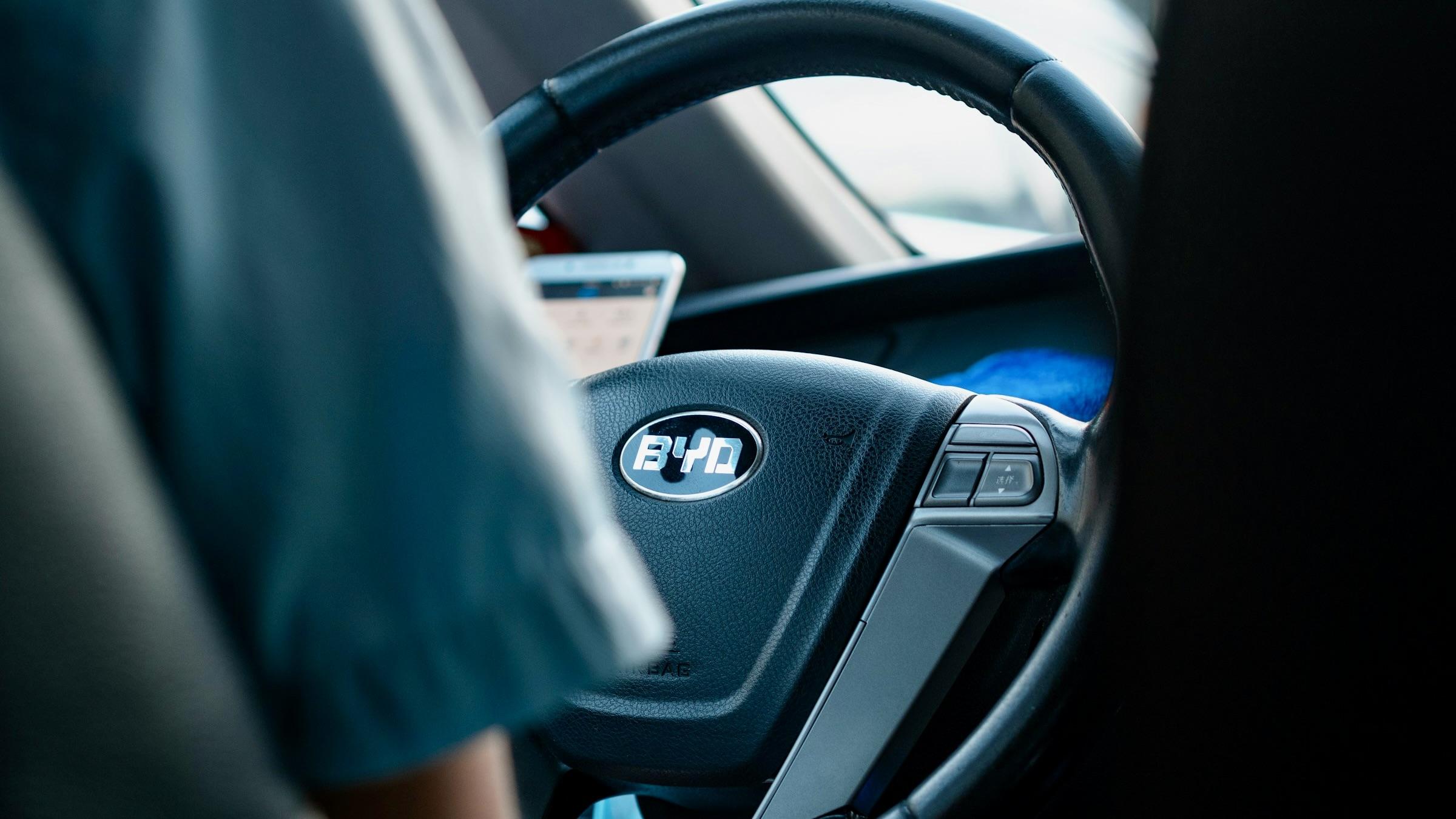
BYD is considering introducing its next-generation Blade EV battery, promising to redefine electric mobility with extended range and reduced costs.
This innovative battery technology, set to be released in August 2024, aims to further fuel BYD's mission to transition the world from gas-powered vehicles to electric ones, potentially altering the competitive landscape of the automotive industry.
BYD's Revolutionary Blade Batteries: Powering the Future of Electric Vehicles
FinDreams, BYD's battery unit, introduced the first-generation Blade battery in 2020, transforming the industry, Electrek reported.
BYD's Blade batteries power Tesla, Ford, Kia, Hyundai, Toyota, and other well-known electric vehicles from major manufacturers. Batteries are a major reason for BYD's success.
The batteries are installed in most BYD models, including the low-cost Seagull, Dolphin electric hatchback, and Atto 3 SUV.
BYD can significantly reduce the cost of its batteries by using lithium-iron-phosphate as the cathode material. These batteries also provide a power density comparable to that of NCM batteries.
The battery's "Blade-like" design ensures maximum safety while providing "ultra-long range and ultra-long lifespan." The longer, flatter design saves space and weight, resulting in increased efficiency.
BYD's next-generation Blade EV battery is poised to disrupt the market again. During a recent financial meeting, BYD CEO Wang Chuanfu stated that the new battery would be even smaller and lighter while maintaining the same endurance, according to Fast Technology.
BYD's CEO also stated that it will reduce power consumption per 100 kilometers, most likely resulting in increased range and performance.
The company's latest Blade batteries have an energy density of up to 150 Wh/kg. BYD's next-generation EV battery is expected to have a capacity of up to 190 Wh/kg.
This could allow fully electric models to exceed 621 miles (1,000 kilometers) of CLTC range, the highest among LFP batteries. According to the report, BYD plans to release the new battery in August 2024.
BYD Sets the Pace in the Electric Vehicle Revolution with Affordable Models and Global Ambitions
BYD, a prominent electric vehicle (EV) manufacturer, has intensified its campaign against gasoline-powered vehicles by introducing a new line of affordable EVs, significantly challenging its competitors.
Among these, the Seagull model stands out for its remarkably low starting price of $9,700 (69,800 yuan), drawing attention and acclaim from industry leaders, including Ford CEO Jim Farley, who lauded the vehicle's value and performance.
This strategic move by BYD is part of what the company describes as a "liberation battle" aimed at transitioning consumers away from traditional internal combustion engines in favor of electric alternatives. BYD's aggressive pricing strategy signals a pivotal moment in the automotive industry, as it suggests that new energy vehicles equipped with advanced technology and competitive pricing are now entering a decisive phase in their competition with gas-powered cars.
In addition to its competitive pricing strategy, BYD is on the verge of launching its next-generation DM-i plug-in hybrid electric vehicle (PHEV) system. This new technology promises an impressive China Light-Duty Vehicle Test Cycle (CLTC) range of nearly 1,200 miles (2,000 km), marking a significant advancement in electric propulsion.
The company's bold initiatives and the rollout of new EVs are expected to significantly shift China's market dynamics. BYD anticipates that the market share of joint venture brands will decrease from around 40% to 10% within the next three to five years, reflecting the growing preference for domestic EVs over foreign counterparts.
BYD's ambitions extend beyond the Chinese market, as the company aims to expand its international presence. It has set a goal to sell one million vehicles overseas by 2025, a substantial increase from the 240,000 vehicles it sold abroad last year.
This global expansion strategy underscores BYD's commitment to leading the transition towards electric mobility worldwide and its confidence in the competitive edge of its products in the international automotive market.
Photo: Joshua Fernandez/Unsplash







