


 Indonesia Passes New Central Bank Law, Raising Investor Concerns Over Policy Independence
  US Appeals Court Allows Trump Military Enlistment Ban on Transgender Recruits, Protects Current Service Members
  US Waives Iran Sanctions for 60 Days as Peace Talks Advance and Lebanon Sees Calm
  Crimea Power Outage After Ukrainian Drone Attack, Russian Authorities Say
  Marco Rubio Says U.S. Will Block IRGC-Linked Individuals From Iran World Cup Delegation
  US Sanctions Cuban President Miguel Diaz-Canel and Key Officials Amid Rising Tensions
  Japan, U.S. Discuss Yen Weakness as Currency Intervention Concerns Grow
  Rubio Faces Gulf Skepticism Over U.S.-Iran Peace Deal
  Fed Chair Kevin Warsh Signals Policy Overhaul as Hawkish Rate Outlook Rattles Markets
  DOJ Sues Virginia Over Law Enforcement Mask Ban
  Lebanon Pushes Ahead With Israel Talks Despite Iran-U.S. Deal Impact
  RBI Hits Pause as Geopolitical Storm Clouds Gather
  Alan Greenspan: 7 Fascinating Facts About the Former Fed Chairman
  Peru Election Dispute Deepens as Roberto Sanchez Rejects Runoff Results
  NTSB Investigates Boston Logan Airport Near-Miss Between Delta and American Airlines Jets
  U.S. Eases Iran Team Travel Restrictions Ahead of Seattle World Cup Match


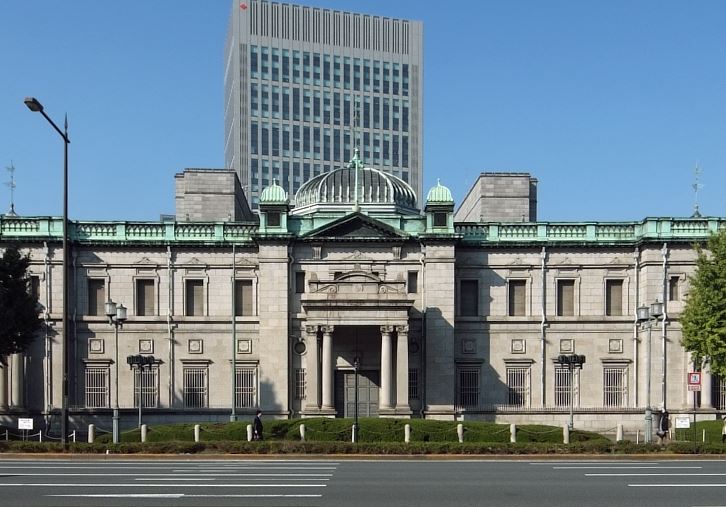
Bank of Japan Governor Kazuo Ueda has warned that rising U.S. tariffs could force the central bank to reconsider its interest rate path, possibly pausing rate hikes if Japan's economy suffers. In an interview with Sankei, Ueda noted that recent developments in U.S. trade policy—particularly under President Donald Trump—are increasingly aligning with the BOJ's worst-case scenario, already dampening business and consumer sentiment.
Ueda stated the BOJ remains committed to raising rates "at an appropriate pace" if inflation and economic trends follow projections. However, he emphasized the need to “scrutinize without pre-conception” how tariffs may impact Japan’s economy, adding that a policy shift could be necessary depending on future developments.
The BOJ will hold its next policy meeting from April 30 to May 1 and is expected to keep rates unchanged. At the same time, it will release updated quarterly forecasts on growth and inflation, incorporating both economic data and business sentiment surveys.
Japan's export-driven economy faces risks as U.S. tariffs threaten trade flows and consumer confidence. Ueda highlighted that while domestic food inflation is expected to ease and real wages may turn positive mid-year, uncertainties remain. He noted both upside and downside risks to inflation, pointing out that supply chain disruptions could push prices higher, but rising living costs might also dampen consumption.
Since ending its ultra-loose monetary policy last year, the BOJ raised interest rates to 0.5% in January—its first hike in over a decade. While many analysts still expect a gradual tightening cycle, growing global uncertainties, especially from U.S. trade policy, may delay further rate increases.
Ueda concluded that the BOJ will carefully monitor market movements and economic indicators before making any further policy decisions.







