


 Annie Altman Amends Sexual Abuse Lawsuit Against OpenAI CEO Sam Altman
  Apple Turns 50: From Garage Startup to AI Crossroads
  Eli Lilly and Insilico Medicine Forge $2.75 Billion AI-Driven Drug Discovery Deal
  SoftwareONE Posts 22.5% Revenue Surge in 2025 on Crayon Acquisition
  Russell 1000 Companies Hit $2.2T Cash Record While Aggressively Reinvesting in Growth
  Nike Beats Q3 Estimates but China Weakness and Margin Pressure Weigh on Outlook
  Luxury Car Sales in the Middle East Take a Hit Amid Iran War
  Tesla Q1 2026 Deliveries Miss Estimates as AI Strategy Takes Center Stage
  Private Credit Under Pressure: Is a Slow-Motion Crisis Unfolding?
  MATCH Act Targets ASML and Chinese Chipmakers in New U.S. Export Crackdown
  First Western Ship Transits Strait of Hormuz Since Iran War Began
  UAE's Largest Natural Gas Facility Suspended After Attack-Triggered Fire
  Europe's Aviation Sector on Track to Meet 2025 Green Fuel Mandate
  Star Entertainment Secures $390M Refinancing Deal to Stabilize Operations
  McDonald's and Restaurant Brands International Face Headwinds Amid Iran Conflict and Rising Costs
  Norma Group Posts Revenue Decline in 2025, Eyes Modest Recovery in 2026
  Cathay Pacific Holds Firm on Flight Capacity Amid Middle East Conflict and Rising Fuel Costs


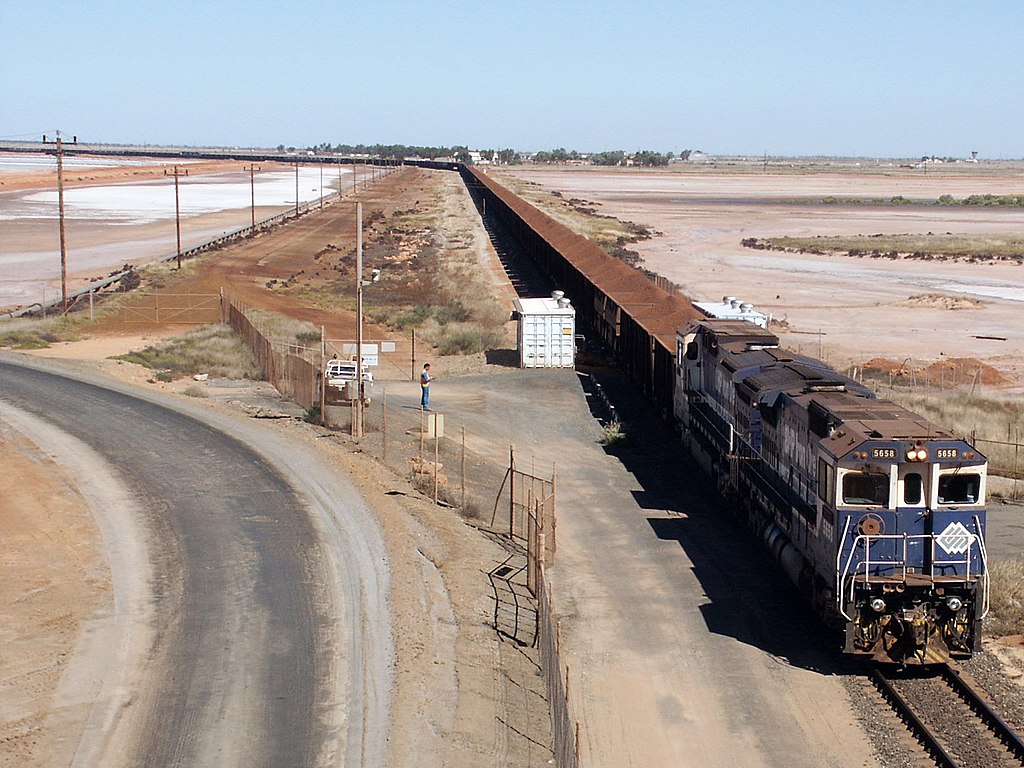
BHP, the world’s largest miner, has cast doubt on Australia’s ambitions to build a green iron industry, saying production costs are prohibitively high. The statement comes just after Australia and China agreed to collaborate on decarbonizing the steel supply chain, a sector responsible for nearly 10% of global carbon emissions.
Geraldine Slattery, BHP’s Australia President, said that even with strong policy support, the cost of producing green iron in Australia would be twice that of the Middle East or China. “And our customers are thousands of kilometers away,” she added in a LinkedIn post on Tuesday. Slattery was part of a delegation that joined Australian Prime Minister Anthony Albanese in China this week for business roundtables on green steel cooperation.
Australia supplies about 60% of China’s iron ore, but its ore is typically too low-grade to be processed with renewable energy alone. Producing green iron—a low-carbon input for green steel—requires an extra processing step using hydrogen or biomass, technologies that are not yet cost-effective at scale.
BHP reaffirmed its strategy not to produce green iron or steel itself, highlighting the financial and logistical barriers. This position is a setback for Australia’s push to shift from exporting raw materials—worth A$370 billion annually—toward value-added mineral processing.
The government allocated A$1 billion in February to boost green iron manufacturing and its supply chain, but high energy and labor costs remain major obstacles. Still, efforts continue. BHP, Rio Tinto, and Bluescope Steel are planning a low-carbon iron pilot plant using electric smelting furnace (ESF) technology by 2028. Fortescue is also advancing its green iron project and expects to begin production from its pilot plant later this year.







