


 U.S. Dollar Hits Two-Month High as Oil, Treasury Yields Surge
  Dollar Falls as Oil Eases, Yen Jumps on Intervention Signals
  Fed’s Hammack Says Bond Yield Surge Is Not Driven by Inflation Fears
  Japanese Yen Rebounds as Trump Flags Currency Weakness
  Oil Prices Fall on U.S.-Iran Hormuz Deal Hopes
  Mexico-US Trade Talks Delayed to October as Tariff Negotiations Continue
  Wall Street Ends Flat as Oil, Treasury Yields and Fed Jitters Rattle Markets
  U.S. Treasury Yields Surge as 30-Year Hits 22-Year High
  Oil Prices Jump 3% as Houthi Attack Revives Supply Fears
  China’s ‘Lipstick King’ Says AI Won’t Replace Livestream Hosts
  Trump, Xi Focus on Trade and AI at White House Summit
  Gold Prices Fall as Treasury Yields Rise on Fed Rate Hike Bets
  Fed Unveils Stablecoin Rules Under GENIUS Act
  Dollar Holds Near Two-Month High as Yen Approaches 160
  US Stock Futures Fall as Treasury Yields Surge Ahead of Trump-Xi Summit
  Oil Prices Ease as Iran Tensions Clash With Diplomacy Hopes


 Add as a preferred source on Google
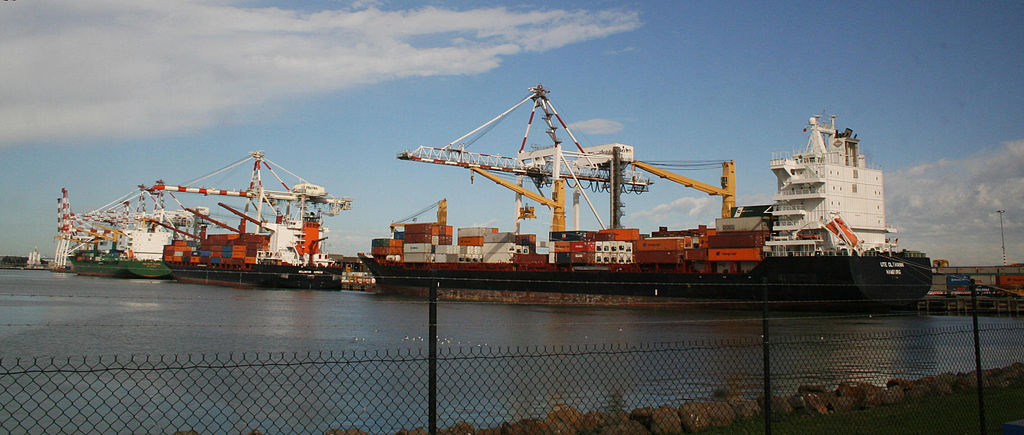
Australia’s trade surplus on goods experienced a sharp decline in August 2024, driven largely by a steep fall in gold exports. According to data released by the Australian Bureau of Statistics (ABS), the surplus narrowed to A$1.8 billion ($1.19 billion), down significantly from a revised A$6.6 billion in July. The figure came in far below market expectations, which had projected a surplus of around A$6.2 billion.
The downturn was primarily fueled by a substantial drop in exports. Overall, Australian exports fell 7.8% in August, with non-monetary gold leading the slide, tumbling 47% after several months of strong performance. Gold, often considered a major contributor to trade surpluses, has historically offset weaker demand in other commodity categories, making this sudden decline a key factor behind the weaker-than-anticipated results.
Imports, on the other hand, climbed 3.2% during the same period. Growth was recorded across multiple sectors, including consumer goods, aircraft, and telecommunications equipment, highlighting sustained demand within the domestic economy. This surge in imports compounded the effects of declining exports, further shrinking the overall trade surplus.
The unexpected drop raises concerns about the volatility of Australia’s export market, particularly in commodities like gold that are susceptible to rapid shifts in global demand and pricing. Economists note that while iron ore and energy exports remain stable drivers of trade revenue, fluctuations in gold shipments can significantly impact month-to-month balances.
The weaker trade figures could weigh on Australia’s near-term economic outlook, as trade surpluses have been an important buffer against external headwinds such as global inflationary pressures and slowing growth in major trading partners, including China. Market analysts suggest that unless exports rebound in coming months, the narrowing surplus may influence monetary policy considerations and economic forecasts for the remainder of 2024.







