


 Mexico-US Trade Talks Delayed to October as Tariff Negotiations Continue
  US Stock Futures Fall as Treasury Yields Surge Ahead of Trump-Xi Summit
  US 10-Year Treasury Yield at 6% Emerges as New Market Risk Threshold
  Dollar Holds Near Two-Month High as Yen Approaches 160
  Trump, Xi Focus on Trade and AI at White House Summit
  Japanese Bank Stocks Surge as Bond Yields Fuel Rate Hike Bets
  Fed’s Hammack Says Bond Yield Surge Is Not Driven by Inflation Fears
  China Agrees to Buy 20 Million Tons of U.S. Coal
  Japanese Yen Rebounds as Trump Flags Currency Weakness
  UK PM Burnham to Unveil Economic Vision at Labour Conference
  Gold Holds Near $4,275 as Rising Treasury Yields Fuel Fed Rate Hike Bets
  U.S. Dollar Hits Two-Month High as Oil, Treasury Yields Surge
  Dollar Falls as Oil Eases, Yen Jumps on Intervention Signals
  Oil Prices Jump 3% as Houthi Attack Revives Supply Fears
  Gold Prices Fall as Treasury Yields Rise on Fed Rate Hike Bets


 Add as a preferred source on Google
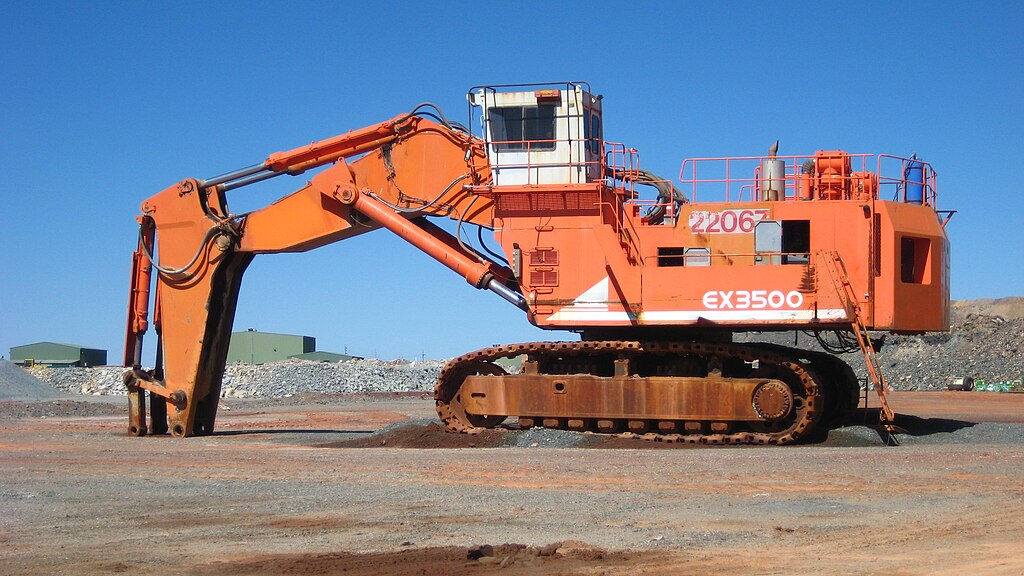
Australia’s mining and energy export revenues are projected to decline over the next two years, pressured by global economic weakness, falling commodity prices, and potential trade barriers, according to the latest quarterly report from the Department of Industry, Science and Resources.
The report warns that global uncertainty—intensified by U.S. President Donald Trump’s protectionist trade policies—is dampening investment sentiment and dragging down commodity demand. In April, Trump imposed a 10% tariff on imports from most nations, temporarily suspending higher rates for select partners. Although he claimed a new trade deal with China, Australia’s largest export destination, no details were disclosed.
Australia’s export earnings are estimated at A$385 billion for the 2024–25 fiscal year, down from A$415 billion in 2023–24. Projections suggest a further decline to A$369 billion in 2025–26 and A$352 billion in 2026–27. Iron ore, the country’s top export, is forecast to fall from A$116 billion this year to A$97 billion by 2026–27, due to rising global supply. LNG revenues are also expected to dip under similar market conditions.
However, gold is emerging as a bright spot, with projected earnings of A$56 billion next year—making it Australia’s third-largest export. Rising prices and volumes for gold, copper, and lithium are helping to cushion the overall decline. Lithium export revenue is expected to rebound from A$4.6 billion in 2024 to A$6.6 billion by 2027, following a recent price drop.
Resources Minister Madeleine King noted that despite headwinds, gains in critical minerals are softening the blow from weaker iron ore, coal, and gas prices. Still, the report emphasized that the global outlook remains unusually uncertain.







