


 US Comfortable With Canada Trade Standoff as Import Bans Loom
  RBI Uses $10 Billion Currency Swaps to Drain Excess Rupee Liquidity
  Germany’s 2026 Growth Outlook Strengthens on Fiscal Spending
  Dollar Holds Near Two-Month High as Yen Approaches 160
  Trump, Xi Focus on Trade and AI at White House Summit
  European Stocks Fall as Bond Yields and Geopolitical Risks Weigh
  Wall Street Ends Flat as Oil, Treasury Yields and Fed Jitters Rattle Markets
  Oil Prices Fall on U.S.-Iran Hormuz Deal Hopes
  Oil Prices Jump 3% as Houthi Attack Revives Supply Fears
  Fed’s Hammack Says Bond Yield Surge Is Not Driven by Inflation Fears
  Gold Holds Near $4,275 as Rising Treasury Yields Fuel Fed Rate Hike Bets
  Japanese Bank Stocks Surge as Bond Yields Fuel Rate Hike Bets
  U.S. Treasury Yields Surge as 30-Year Hits 22-Year High
  Gold Prices Fall as Treasury Yields Rise on Fed Rate Hike Bets
  Asian Currencies Mixed as Dollar Holds Near Two-Month High
  Fed Unveils Stablecoin Rules Under GENIUS Act
  US Stock Futures Fall as Treasury Yields Surge Ahead of Trump-Xi Summit


 Add as a preferred source on Google
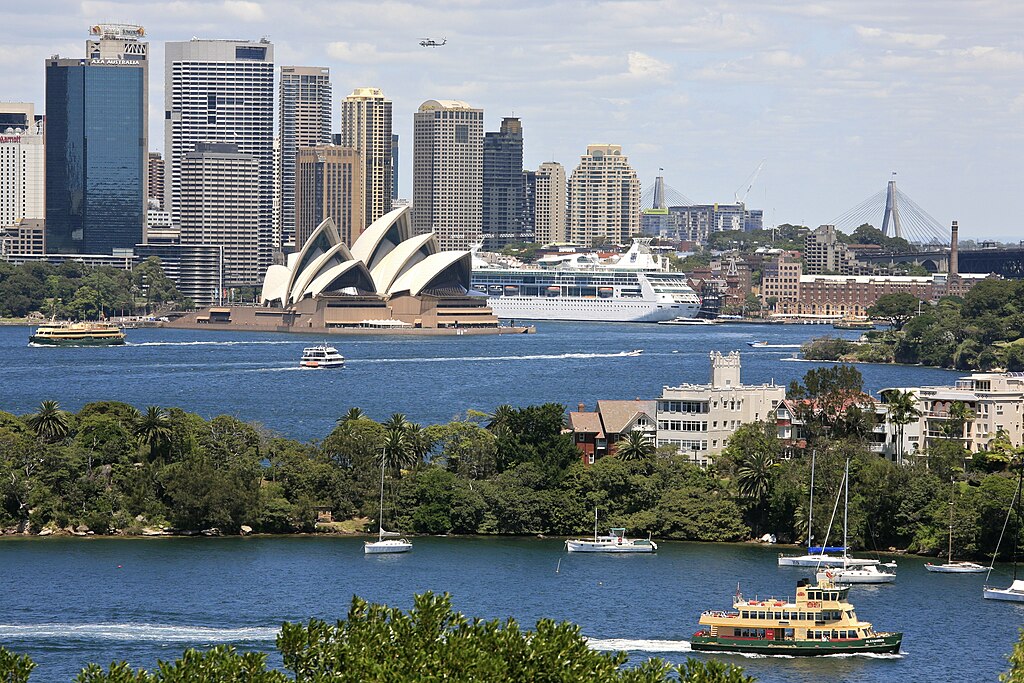
Australia’s business activity flatlined in May as consumer spending remained weak, despite interest rate cuts in both May and February. According to National Australia Bank’s (OTC:NABZY) latest survey, the business conditions index slipped by 2 points to 0, falling below the long-term average of +6. Meanwhile, the business confidence index rose slightly to +2, though it still lags behind historical norms.
Retail continued to show significant weakness, reflecting subdued consumer demand despite slowing inflation. NAB Chief Economist Sally Auld noted that “profitability and trading conditions are notably weaker in retail than other sectors,” aligning with softer-than-expected consumption in the first quarter.
The survey also revealed that firms are under growing pressure from rising costs. Profitability remained in negative territory at -4, with labour and purchase expenses squeezing margins. The sales index dipped to +5, and the employment index fell 4 points to 0, signaling a possible cooling in the labor market. Auld emphasized the importance of monitoring this trend, as the employment index is now below average.
Despite sluggish economic growth, Australia’s labor market has shown resilience, with unemployment hovering near 4.1% over the past year. However, markets are increasingly pricing in another potential rate cut from the Reserve Bank of Australia in July to support the flagging economy.
The report paints a cautious outlook for Australian businesses, especially in consumer-facing industries like retail, and adds pressure on policymakers to stimulate demand as inflation cools and growth disappoints. With businesses citing weak profitability and labor softness, the economic recovery remains fragile heading into the second half of the year.







