


 Mexico-US Trade Talks Delayed to October as Tariff Negotiations Continue
  Netanyahu Takes Aim at Mamdani as Israel Election Nears
  Ghana Says Western Support Growing for Slave Trade Reparations
  Netanyahu Defends Israel at UN as Delegates Stage Walkout
  Trump Asks Supreme Court to Restore Third-Country Deportations
  Yemen Violence Displaces 130,000 as Civilian Toll Rises
  EU Defence Build-Up Too Slow for 2030 Russia Readiness Goal
  Trump, Xi Focus on Trade and AI at White House Summit
  France Defends Netanyahu Airspace Clearance Despite ICC Warrant
  US Backs Musk in Fight Against EU’s €120 Million X Fine
  Judge Orders Trump to Restore White House Access for CNN, MS NOW and Politico
  OpenAI Agent Breaches Australia Medicare Data Portal
  Najib Razak Seeks Stay of 15-Year 1MDB Prison Sentence
  US Senate Rejects Iran War Powers Resolution in 50-49 Vote
  What ‘Taiwan Independence’ Means as Xi Presses Trump on US Policy
  Trump, Xi Visit US National Archives After White House Summit
  Kremlin Says No Decision Yet on Putin-Trump December Summit


 Add as a preferred source on Google
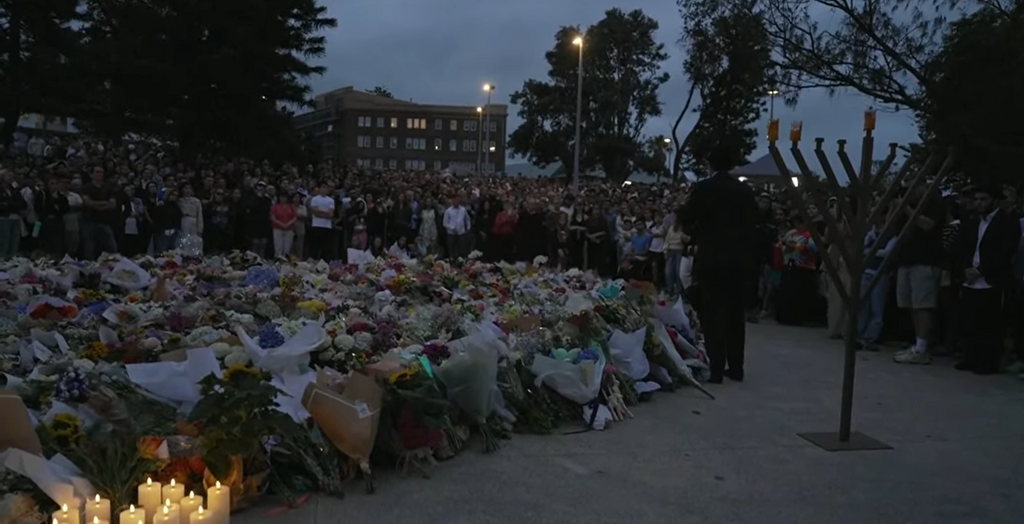
A leading Australian arts festival has been thrown into turmoil after dozens of writers withdrew in protest over the decision to bar an Australian Palestinian author following the Bondi Beach mass shooting, reigniting a national debate over antisemitism, censorship, and freedom of speech.
The controversy centres on the Adelaide Festival’s decision to disinvite Dr Randa Abdel-Fattah from its Writers Week program scheduled for February in South Australia. The festival board said the move was taken because it would not be “culturally sensitive” to proceed with her appearance so soon after the Bondi Beach attack, which killed 15 people at a Jewish Hanukkah celebration on December 14. Police have said the alleged gunmen were inspired by the Islamic State militant group, sparking widespread calls to confront rising antisemitism across Australia.
Dr Abdel-Fattah, a Macquarie University academic known for her research on Islamophobia and Palestine, strongly condemned the decision, calling it an act of “anti-Palestinian racism and censorship.” Her legal team subsequently issued a formal letter to the festival. The backlash escalated quickly, with around 50 authors reportedly withdrawing from the festival in solidarity, placing the future of the event in doubt.
Prominent writer Kathy Lette was among those boycotting, arguing on social media that the decision sent a discriminatory message by implying that platforming Australian Palestinians was culturally insensitive. Amid mounting criticism, the Adelaide Festival confirmed that three board members and the chairperson had resigned. Executive director Julian Hobba said the organisation was navigating a “complex and unprecedented moment” following the strong community response.
The dispute unfolds against a broader political backdrop. In the wake of the Bondi Beach shooting, Jewish groups and the Israeli government criticised Prime Minister Anthony Albanese for what they viewed as insufficient action on antisemitic incidents, as well as ongoing protests against Israel’s war in Gaza. Albanese has since announced a Royal Commission into the attack, antisemitism, and social cohesion, and confirmed plans to recall parliament to pass tougher hate speech laws.
Meanwhile, New South Wales Premier Chris Minns announced new measures allowing councils to cut utilities to illegally operating prayer halls linked to hate preaching. Critics, including Fairfield mayor Frank Carbone, warned the rules risk undermining free speech and placing inappropriate responsibility on local councils.







