


 Asian Currencies Rise as Dollar Stays Near Six-Week Low, RBI Holds Rates Steady
  Asian Currencies Mixed as Yen Retreats, Traders Eye U.S.-Iran Talks and Fed Data
  Gold Price Holds Steady as Fed Rate Outlook and Jobs Data Keep Markets on Edge
  Brazil Cuts Selic Rate to 14% as Inflation Eases but Risks Persist
  Wall Street Ends Mixed as Dow Hits Record Despite Tech Weakness
  Asian Stocks Rise as AI Optimism Returns, Australia Hits Record High Ahead of RBI Decision
  German Bund Yields Hit Three-Week Low as Energy Prices Ease and ECB Outlook Softens
  Gulf Shipping Traffic Steady as U.S.-Iran Talks Remain Uncertain
  Asian Stocks Slip as AI Rally Fades, Oil Holds Steady on Iran Peace Deal Hopes
  India Plans Tax Reforms to Boost Foreign Investment and Manufacturing
  Dollar Holds Near Six-Week Low as Yen Loses Momentum Ahead of U.S. Jobs Data
  European Stocks Near Record Highs as Earnings Strength Offsets Geopolitical Concerns
  Gold Price Hits Seven-Week High as Fed Rate Hike Bets Fade and Hormuz Deal Hopes Grow
  25 Democratic-Led States Sue Trump Administration Over New Global Tariffs
  U.S., Iran, Oman Near Interim Deal to Reopen Strait of Hormuz Amid Ceasefire Efforts


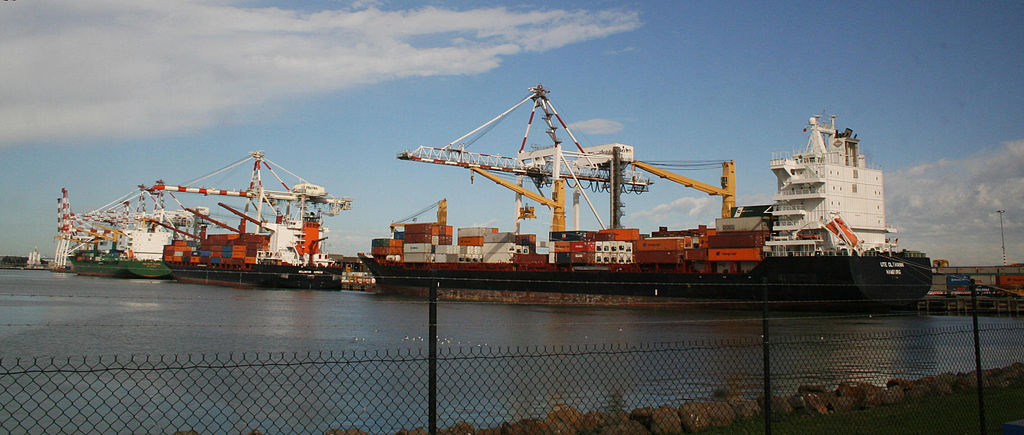
Australia's trade balance returned to a larger-than-expected surplus in June, driven by strong exports of iron ore, coal, liquefied natural gas (LNG), and non-monetary gold, according to data released Thursday by the Australian Bureau of Statistics.
The country recorded a trade surplus of A$1.93 billion in June, reversing May's revised A$2.37 billion deficit and outperforming market expectations for a A$1.06 billion shortfall. Total exports rose 9.6% from the previous month, while imports edged down 0.2%, reflecting resilient demand for Australia's key commodities.
A major contributor to the rebound was a 60.2% jump in non-monetary gold exports. Shipments of metal ores and minerals increased 6.2%, coal exports climbed 4.6%, and other mineral fuels, including LNG, gained 4%. Higher exports to China, Japan, South Korea, and India supported the overall increase, with iron ore and coal remaining Australia's leading export products. Rural exports, however, fell 1.9% due to weaker meat and cereal shipments.
On the import side, purchases of fuel and lubricants dropped 11.9%, helping reduce overall import spending. Imports of capital goods also declined 4.5%, mainly because of lower demand for computers and other information technology equipment.
The stronger trade figures come as the Australian government prepares to discuss newly announced U.S. tariffs with President Donald Trump. Prime Minister Anthony Albanese said Canberra will continue advocating against trade measures that could negatively affect economic ties between the two countries.
Despite the upbeat trade data, the Australian dollar showed little reaction, with investors focusing on next week's Reserve Bank of Australia (RBA) policy meeting. The central bank kept its cash rate unchanged at 4.35% in June following three consecutive rate hikes and has reiterated that future policy decisions will remain dependent on inflation and labor market data.
The June trade surplus highlights the continued importance of Australia's mining and energy exports, reinforcing the country's position as a leading global supplier of iron ore, coal, and LNG while providing a positive signal for the broader Australian economy.







