


 Fed Unveils Stablecoin Rules Under GENIUS Act
  European Stocks Fall as Bond Yields and Geopolitical Risks Weigh
  Mexico-US Trade Talks Delayed to October as Tariff Negotiations Continue
  RBI Uses $10 Billion Currency Swaps to Drain Excess Rupee Liquidity
  China Agrees to Buy 20 Million Tons of U.S. Coal
  Asian Currencies Mixed as Dollar Holds Near Two-Month High
  U.S. Treasury Yields Surge as 30-Year Hits 22-Year High
  Germany’s 2026 Growth Outlook Strengthens on Fiscal Spending
  Soybean Futures Slip as Traders Await Trump-Xi Trade Signals
  Oil Prices Jump 3% as Houthi Attack Revives Supply Fears
  Gold Prices Fall as Treasury Yields Rise on Fed Rate Hike Bets
  Asian Stocks Fall as Bond Yields Surge Ahead of Trump-Xi Summit
  Japanese Bank Stocks Surge as Bond Yields Fuel Rate Hike Bets
  Wall Street Ends Flat as Oil, Treasury Yields and Fed Jitters Rattle Markets
  Oil Prices Fall on U.S.-Iran Hormuz Deal Hopes


 Add as a preferred source on Google
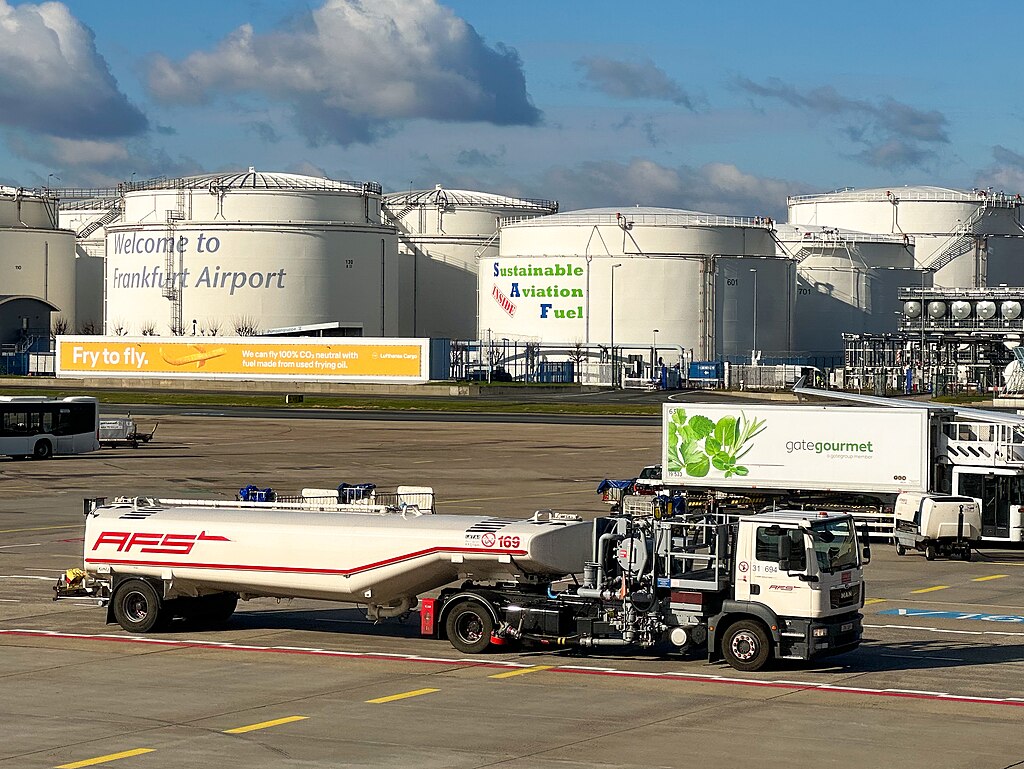
Asia’s sustainable aviation fuel (SAF) supply is set to exceed regional demand in 2024 and 2025, with new production capacity driving exports and potentially lowering prices, according to industry experts. While this benefits airlines struggling with high SAF costs, weak regional demand could impact production if prices fall below profitability.
At least five SAF projects outside China are launching this year, targeting exports, mainly to Europe, where a 2% SAF mandate is in place. In contrast, Asia’s SAF adoption remains slow, with Singapore and Thailand set to enforce a 1% mandate in 2026, followed by South Korea in 2027 and Japan with a 10% goal by 2030. The lack of uniform policies across Asia has led to project delays, especially in China.
Despite airlines like Cathay Pacific and Air New Zealand voluntarily using SAF to boost sustainability credentials, overall adoption lags. The Association of Asia Pacific Airlines targets just 5% SAF usage by 2030.
Asia’s SAF production capacity is projected to reach 3.5 million metric tons annually by 2025, up from 1.24 million in 2024. However, demand remains weak, keeping Asia a net SAF exporter through 2026. In 2024, over 370,000 tons were exported, primarily from Neste’s Singapore plant. Producers like Cosmo Energy, PTT Global Chemical, and Bangchak Petroleum are ramping up supply, with Malaysia’s EcoCeres adding 420,000 tpy by late 2025.
SAF prices, previously three times higher than jet fuel, have narrowed to 2.4 times in 2024. While production costs range from $500 to $600 per ton, market prices remain around $1,700 per ton. With slow adoption, Asia’s SAF oversupply is expected to continue, maintaining downward pressure on prices while boosting exports to regions with stronger mandates.







