


 Fed Unveils Stablecoin Rules Under GENIUS Act
  US 10-Year Treasury Yield at 6% Emerges as New Market Risk Threshold
  Dollar Holds Near Two-Month High as Yen Approaches 160
  Wall Street Ends Flat as Oil, Treasury Yields and Fed Jitters Rattle Markets
  Gold Prices Fall as Treasury Yields Rise on Fed Rate Hike Bets
  Japanese Bank Stocks Surge as Bond Yields Fuel Rate Hike Bets
  Japan Private-Sector Growth Slows as Domestic Demand Weakens
  U.S. Dollar Hits Two-Month High as Oil, Treasury Yields Surge
  Wall Street Falls as Treasury Yields Surge, Oil Rebounds on Iran Tensions
  South Korea, US Discuss Warship Building Cooperation
  Australia Unemployment Hits Five-Year High Despite Strong Jobs Growth
  US, China Extend Trade Truce to Jan. 10 Ahead of Trump-Xi Summit
  Asian Currencies Mixed as Dollar Holds Near Two-Month High
  Russian Envoy Dmitriev Heads to US for Ukraine Talks
  Gold Holds Near $4,275 as Rising Treasury Yields Fuel Fed Rate Hike Bets
  European Stocks Fall as Bond Yields and Geopolitical Risks Weigh
  Asian Stocks Fall as Surging Bond Yields Rattle Markets


 Add as a preferred source on Google
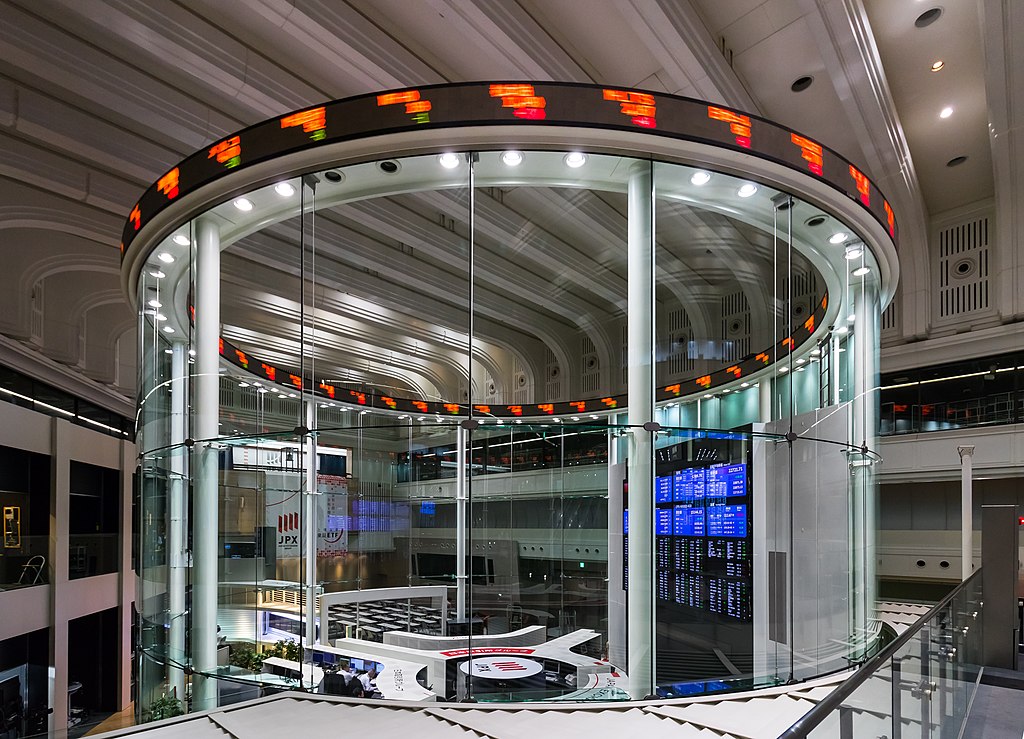
Japanese and South Korean stock markets edged higher during thin holiday trading on Monday, buoyed by renewed optimism surrounding a potential ceasefire between the United States and Iran. Trading activity remained muted as markets across Hong Kong, mainland China, and Australia stayed closed for public holidays.
Japan's Nikkei 225 gained 1.4%, while the broader TOPIX index advanced 0.7%. South Korea's KOSPI rose 1.1%, reflecting improved investor sentiment across the region. Singapore's Straits Times Index posted modest gains of 0.3%, though India's Nifty 50 dipped 0.4%, bucking the broader Asian market trend.
The positive momentum followed a report from Axios indicating that the US, Iran, and several regional mediators — including Pakistani, Egyptian, and Turkish intermediaries — were actively negotiating terms for a potential 45-day ceasefire. Analysts suggest this preliminary agreement could serve as a stepping stone toward a more comprehensive resolution to the ongoing conflict. However, prospects of reaching even a partial deal within 48 hours remained uncertain.
US stock futures, which had initially declined during Asian trading hours, trimmed losses on the back of the diplomatic developments.
The ceasefire talks emerged against a backdrop of escalating pressure from US President Donald Trump, who issued a firm deadline requiring Iran to reopen the Strait of Hormuz by Tuesday at 8 p.m. Eastern Time. Trump warned that failure to comply could result in strikes on critical Iranian infrastructure, including power plants and bridges.
Oil prices climbed further in Asian trade following sharp gains late last week, though they pulled back slightly after the ceasefire report emerged. Persistently high crude prices remain a key concern for energy-importing Asian economies, as rising import costs threaten to squeeze growth and fuel inflation across the region.







