


 Oil Prices Jump 3% as Houthi Attack Revives Supply Fears
  RBI Uses $10 Billion Currency Swaps to Drain Excess Rupee Liquidity
  Asian Currencies Mixed as Dollar Holds Near Two-Month High
  Australia Unemployment Hits Five-Year High Despite Strong Jobs Growth
  Dollar Holds Near Two-Month High as Yen Approaches 160
  European Stocks Fall as Bond Yields and Geopolitical Risks Weigh
  Wall Street Falls as Treasury Yields Surge, Oil Rebounds on Iran Tensions
  Fed Unveils Stablecoin Rules Under GENIUS Act
  US, China Extend Trade Truce to Jan. 10 Ahead of Trump-Xi Summit
  Gold Prices Fall as Treasury Yields Rise on Fed Rate Hike Bets
  Gold Holds Near $4,275 as Rising Treasury Yields Fuel Fed Rate Hike Bets
  China’s ‘Lipstick King’ Says AI Won’t Replace Livestream Hosts
  Mexico-US Trade Talks Delayed to October as Tariff Negotiations Continue
  Asian Stocks Fall as Surging Bond Yields Rattle Markets
  Soybean Futures Slip as Traders Await Trump-Xi Trade Signals
  Trump, Xi Focus on Trade and AI at White House Summit
  US 10-Year Treasury Yield at 6% Emerges as New Market Risk Threshold


 Add as a preferred source on Google
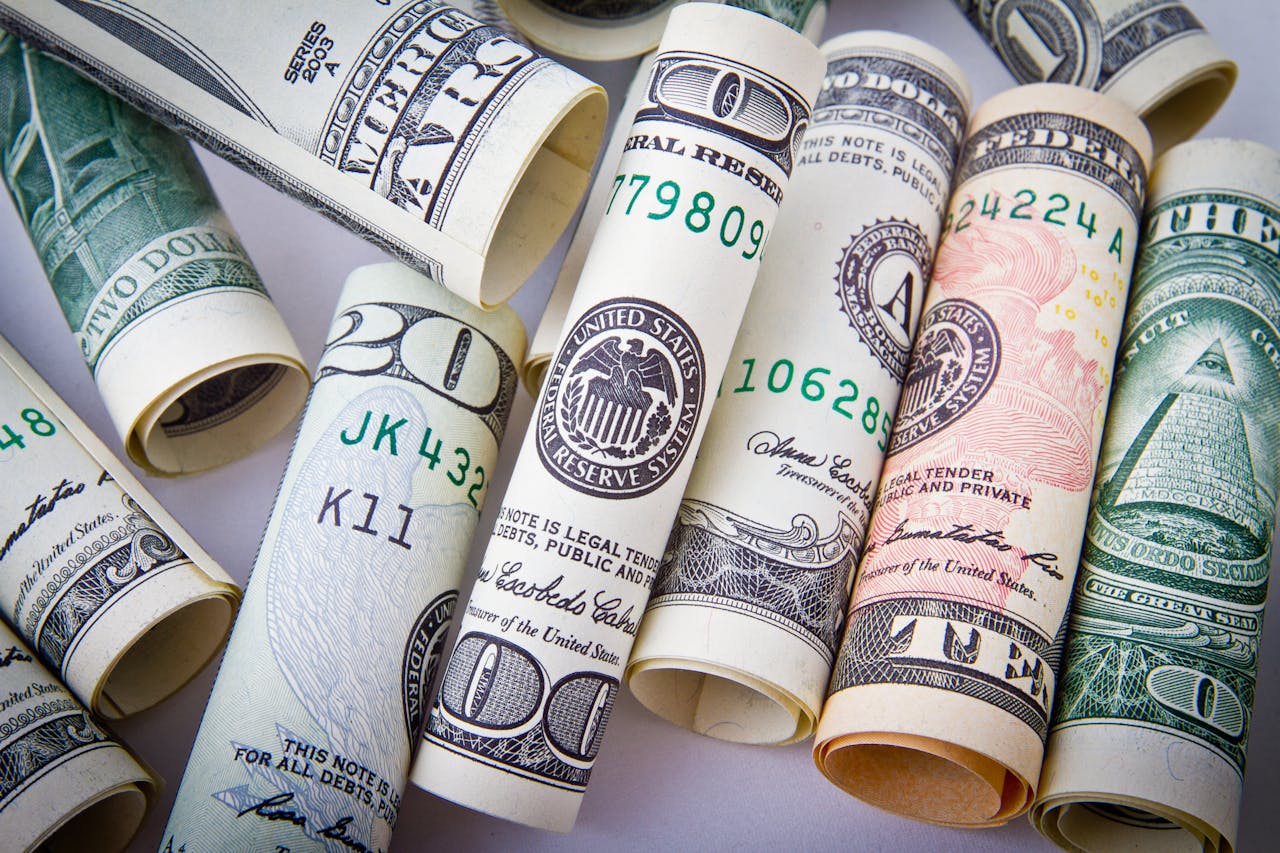
The U.S. dollar strengthened Thursday, drawing support from its safe-haven status after President Donald Trump signaled a significant escalation in military operations against Iran. The U.S. Dollar Index climbed 0.4% to 100.03 as investors reacted to the president's aggressive remarks delivered late Wednesday.
Earlier in the week, markets had shifted toward riskier assets amid hopes of a de-escalation between Washington and Tehran. That optimism reversed sharply when Trump announced plans to intensify operations over the coming weeks, stating that Iran's naval and missile capabilities had been substantially weakened and that the U.S. was close to achieving its strategic goals. He also offered no concrete timeline for reopening the Strait of Hormuz — a vital global energy corridor through which roughly one-fifth of the world's oil and gas supply passes.
Currency strategists at ING noted that while the first phase of a de-escalation trade had played out in foreign exchange markets, a further dollar decline would require clearer guidance on the Strait of Hormuz situation, which now appears increasingly uncertain. Sentiment received a modest lift after Iran's state media reported the country was working with Oman to develop a vessel monitoring protocol for the strait, though Iran's plan to impose tolls on passing ships drew immediate pushback from the U.S.
Attention now shifts to Friday's nonfarm payrolls report for March, which investors will closely watch for signals on Federal Reserve monetary policy. Weekly jobless claims came in below forecasts, though job cut announcements and a softening JOLTS report pointed to uneven labor market conditions.
Among other major currencies, the euro dipped briefly before recovering, while sterling fell as much as 0.6%, partly reflecting the U.K.'s vulnerability to energy supply disruptions and rising inflation expectations. The Japanese yen held steady, and the Australian dollar recovered after trade surplus data beat expectations.







