


 Oil Prices Ease as Iran Tensions Clash With Diplomacy Hopes
  Japan Private-Sector Growth Slows as Domestic Demand Weakens
  Fed Unveils Stablecoin Rules Under GENIUS Act
  Wall Street Falls as Treasury Yields Surge, Oil Rebounds on Iran Tensions
  U.S. 10-Year Treasury Yield Hits 2007 High as Fed Rate Hike Bets Rise
  Australia Unemployment Hits Five-Year High Despite Strong Jobs Growth
  Asian Stocks Fall as Bond Yields Surge Ahead of Trump-Xi Summit
  Oil Prices Jump 3% as Houthi Attack Revives Supply Fears
  Wall Street Ends Flat as Oil, Treasury Yields and Fed Jitters Rattle Markets
  Gold Prices Fall as Treasury Yields Rise on Fed Rate Hike Bets
  Fed Unveils Stablecoin Rules Under GENIUS Act
  Trump, Xi Focus on Trade and AI at White House Summit
  South Korea, US Discuss Warship Building Cooperation
  RBI Uses $10 Billion Currency Swaps to Drain Excess Rupee Liquidity
  Oil Prices Surge as U.S.-Iran Diplomacy Hopes Fade
  European Stocks Fall as Bond Yields and Geopolitical Risks Weigh
  Dollar Holds Near Two-Month High as Yen Approaches 160


 Add as a preferred source on Google
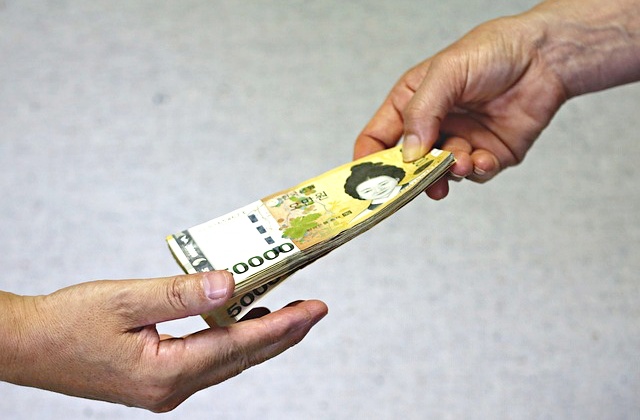
Asian currencies traded in a narrow range on Tuesday as the U.S. dollar remained under pressure amid growing geopolitical uncertainty and anticipation of an upcoming Federal Reserve policy meeting. Currency markets across the region showed limited movement as investors largely stayed on the sidelines, awaiting clearer signals from the Fed on interest rate policy and assessing global political risks.
The Japanese yen weakened slightly after a strong rally in the previous session, when it surged to its strongest level in nearly three months. The move followed comments from Japanese Prime Minister Sanae Takaichi, who warned against excessive volatility in the currency and reignited speculation over potential government intervention. On Tuesday, the USD/JPY pair edged up about 0.2% to around 154.50, although the yen remained close to multi-year highs. The currency has been supported by expectations of intervention and a relatively hawkish tone struck by the Bank of Japan at its January meeting. However, concerns over Japan’s fiscal outlook and heavy government spending under Takaichi recently triggered a sharp selloff in Japanese government bonds, which limited further gains in the yen.
Across the rest of Asia, foreign exchange markets were largely muted. The dollar index steadied after significant losses last week, reflecting cautious sentiment ahead of the Fed’s interest rate decision, where policymakers are widely expected to keep rates unchanged. Mixed U.S. economic data, along with concerns over fiscal policy and the Federal Reserve’s independence under President Donald Trump, weighed on the greenback and kept Asian currencies rangebound.
The Chinese yuan hovered near its strongest level in more than two years, while the Singapore dollar and Australian dollar showed little movement. The Indian rupee stabilized after recently hitting record lows above 91 per dollar, as optimism around an India-Europe trade deal failed to lift sentiment. The Taiwan dollar saw modest gains.
Meanwhile, the South Korean won weakened slightly after President Trump announced plans to raise tariffs to 25% on certain South Korean exports, including automobiles, pharmaceuticals, and lumber. Although Seoul stated it had not received formal notification of the tariff hike, the comments added pressure to the won and highlighted ongoing trade uncertainties affecting Asian currency markets.







