


 Dollar Falls as Oil Eases, Yen Jumps on Intervention Signals
  Wall Street Ends Flat as Oil, Treasury Yields and Fed Jitters Rattle Markets
  European Stocks Fall as Bond Yields and Geopolitical Risks Weigh
  Mexico-US Trade Talks Delayed to October as Tariff Negotiations Continue
  Japan Private-Sector Growth Slows as Domestic Demand Weakens
  Japanese Yen Rebounds as Trump Flags Currency Weakness
  China’s ‘Lipstick King’ Says AI Won’t Replace Livestream Hosts
  Dollar Holds Near Two-Month High as Yen Approaches 160
  Soybean Futures Slip as Traders Await Trump-Xi Trade Signals
  Japanese Bank Stocks Surge as Bond Yields Fuel Rate Hike Bets
  Oil Prices Jump 3% as Houthi Attack Revives Supply Fears
  Fed Unveils Stablecoin Rules Under GENIUS Act
  Fed Unveils Stablecoin Rules Under GENIUS Act
  U.S. Treasury Yields Surge as 30-Year Hits 22-Year High
  Fed’s Hammack Says Bond Yield Surge Is Not Driven by Inflation Fears
  Asian Stocks Fall as Surging Bond Yields Rattle Markets


 Add as a preferred source on Google
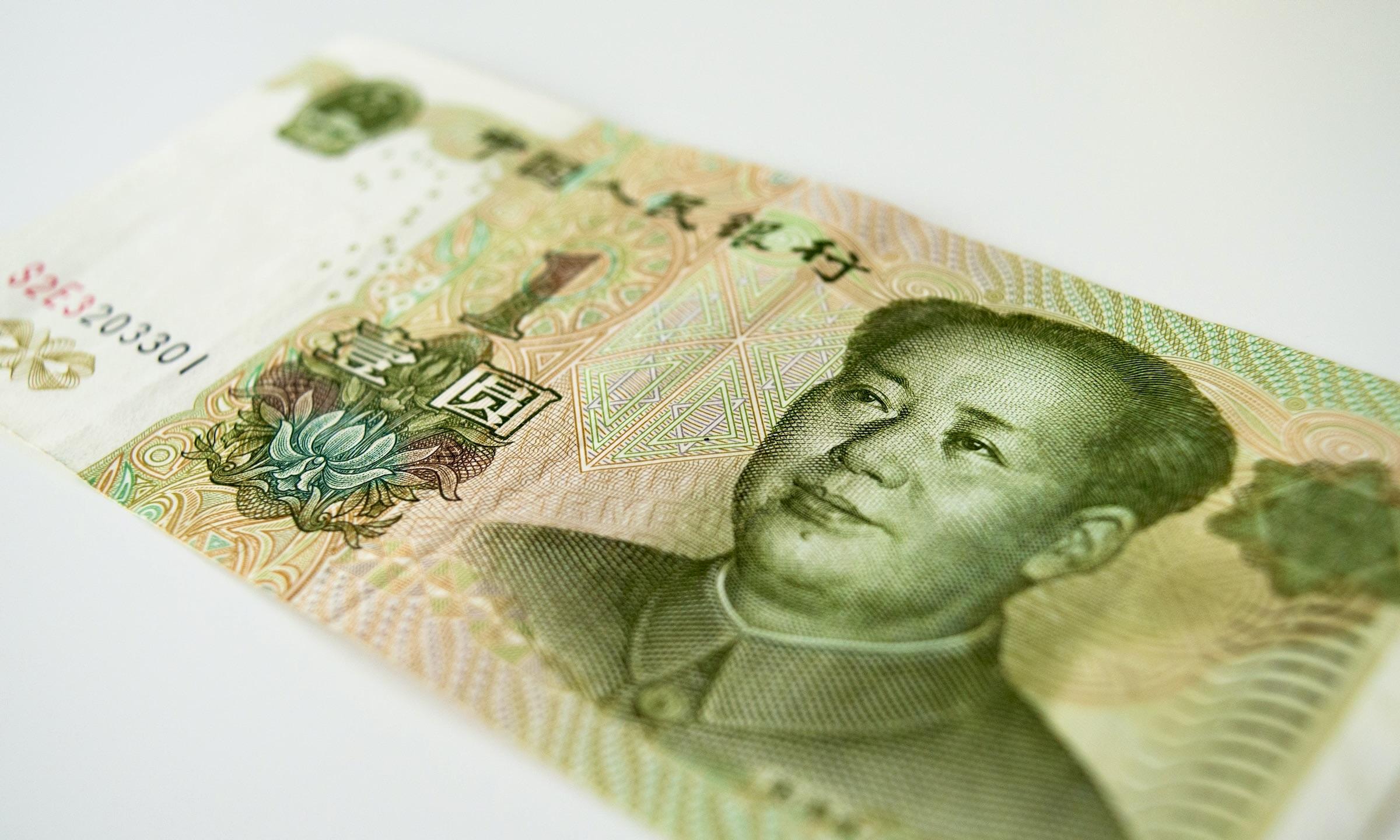
Asian currencies traded in a narrow, mostly weaker range on Thursday as the U.S. dollar found modest support ahead of a closely watched U.S. labor market report due later this week. Investors across the foreign exchange markets remained cautious, balancing expectations of softer U.S. payroll data against ongoing geopolitical and regional economic pressures.
The Japanese yen and Chinese yuan were largely rangebound, reflecting continued uncertainty stemming from diplomatic tensions between Tokyo and Beijing. The USD/JPY pair hovered near the 157 level, while USD/CNY slipped slightly, keeping the yuan near its strongest level in more than two years. Sentiment toward both currencies was dampened by escalating trade and political frictions, including China’s recent restrictions on shipments of defense-related materials to Japan and the launch of an anti-dumping investigation into Japanese chipmaking inputs. Chinese media have also suggested that Beijing is considering limits on rare earth exports to Japan, a move that could significantly impact Japan’s manufacturing sector.
Economic data added further pressure on the yen, as Japanese wage growth for November came in well below expectations. Softer wage momentum complicates the Bank of Japan’s ability to justify near-term interest rate hikes, keeping the currency under strain.
The U.S. dollar index edged higher in Asian trading after gaining overnight. While recent private payrolls and job openings data disappointed, raising expectations of a weaker U.S. nonfarm payrolls report, stronger business activity indicators suggested the U.S. economy ended 2025 on relatively solid footing. This has left markets divided over the Federal Reserve’s next policy move, with labor market strength and inflation remaining key factors.
Elsewhere in Asia, most currencies showed mild weakness. The Singapore dollar and Taiwan dollar both declined modestly, while the South Korean won was flat and the Indian rupee hovered just below the 90 level. The Australian dollar slipped after retreating from a 15-month high, as weaker-than-expected November trade data showed falling exports and a shrinking trade surplus. Overall, fragile risk appetite and rising global geopolitical tensions continued to keep Asian FX markets on edge.







