


 Asian Stocks Fall as Surging Bond Yields Rattle Markets
  Oil Prices Jump 3% as Houthi Attack Revives Supply Fears
  RBI Uses $10 Billion Currency Swaps to Drain Excess Rupee Liquidity
  Fed Unveils Stablecoin Rules Under GENIUS Act
  U.S. Treasury Yields Surge as 30-Year Hits 22-Year High
  US Comfortable With Canada Trade Standoff as Import Bans Loom
  U.S. Dollar Hits Two-Month High as Oil, Treasury Yields Surge
  Gold Holds Near $4,275 as Rising Treasury Yields Fuel Fed Rate Hike Bets
  Asian Stocks Fall as Bond Yields Surge Ahead of Trump-Xi Summit
  Fed’s Hammack Says Bond Yield Surge Is Not Driven by Inflation Fears
  Japan Private-Sector Growth Slows as Domestic Demand Weakens
  Japanese Bank Stocks Surge as Bond Yields Fuel Rate Hike Bets
  Japanese Yen Rebounds as Trump Flags Currency Weakness
  Australia Unemployment Hits Five-Year High Despite Strong Jobs Growth
  Soybean Futures Slip as Traders Await Trump-Xi Trade Signals
  Wall Street Ends Flat as Oil, Treasury Yields and Fed Jitters Rattle Markets


 Add as a preferred source on Google
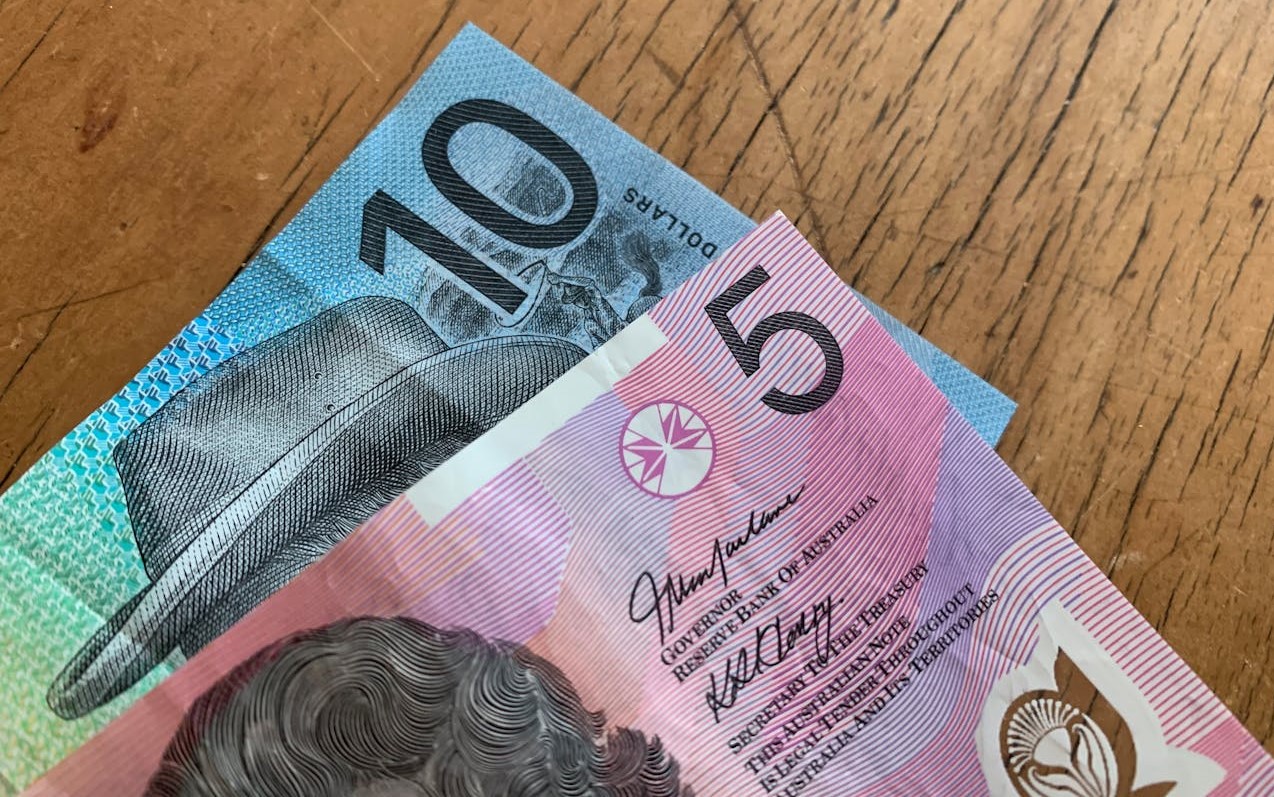
Most Asian currencies traded near flatline levels on Friday as the U.S. dollar edged lower in thin holiday trading at the start of the new year. Reduced market participation across the region kept trading volumes subdued, limiting price movements and leaving currency markets largely directionless.
Several major Asian markets, including Japan and mainland China, were closed on Friday for New Year holidays, while others had already shut a day earlier. These widespread market closures significantly reduced liquidity, prompting investors to stay on the sidelines while waiting for normal trading conditions to resume. As a result, Asian foreign exchange markets showed minimal volatility despite broader shifts in global currency sentiment.
The U.S. Dollar Index slipped around 0.2%, extending weakness seen toward the end of 2025. The greenback had finished last year with sharp losses, pressured by expectations of Federal Reserve interest rate cuts and easing U.S. inflation. Moving into early 2026, the dollar struggled to regain momentum as investors continued to price in slower economic growth and further declines in U.S. interest rates, factors that typically weigh on the currency.
Despite the softer dollar, Asian currencies showed little reaction due to the lack of strong regional catalysts. The Japanese yen saw the USD/JPY pair tick up about 0.1%, while the Singapore dollar’s USD/SGD pair traded largely flat. Similarly, the South Korean won’s USD/KRW pair remained unchanged during the session.
In South Asia, the Indian rupee showed marginal strength, with the USD/INR pair edging down roughly 0.1%. In China, the yuan was also stable, as the onshore USD/CNY pair was little changed and the offshore USD/CNH pair dipped around 0.1%.
The Australian dollar stood out from the broader regional trend, with the AUD/USD pair rising approximately 0.4%. The move suggested mild optimism toward risk-sensitive currencies, even as overall market activity remained muted.
With holiday-related closures still impacting liquidity, analysts expect Asian currency markets to remain range-bound in the near term, awaiting clearer signals from global economic data and central bank policy once full trading resumes.







